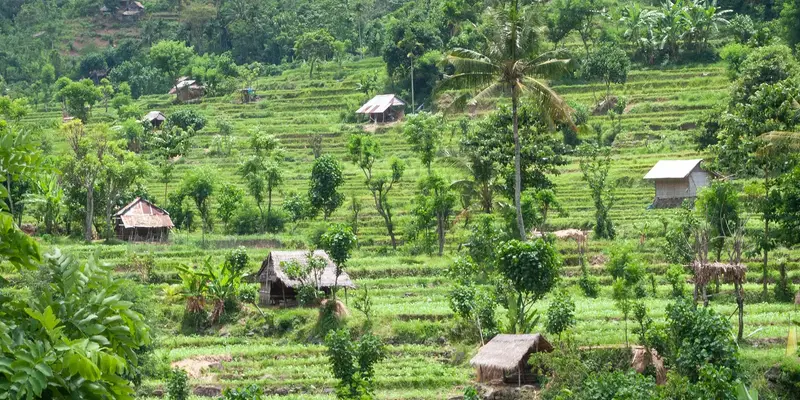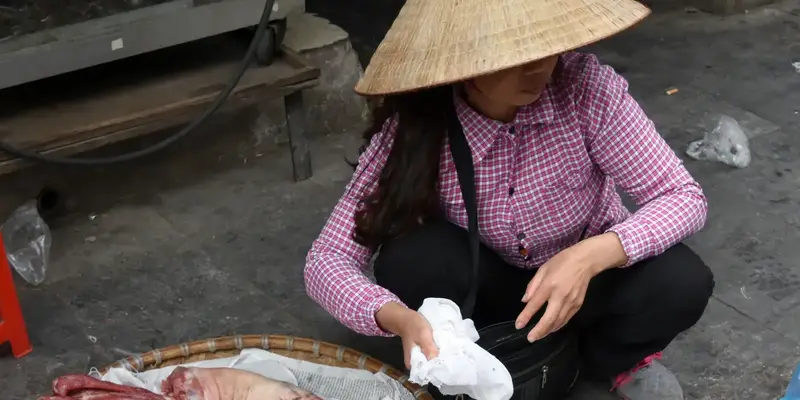
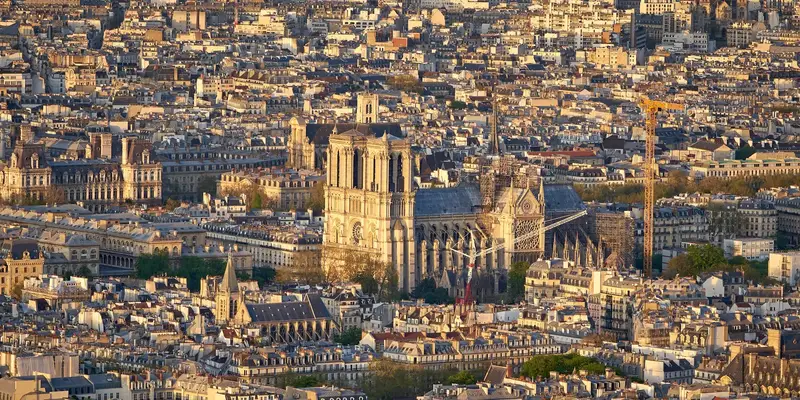
France
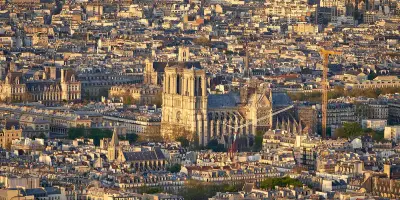
Paris
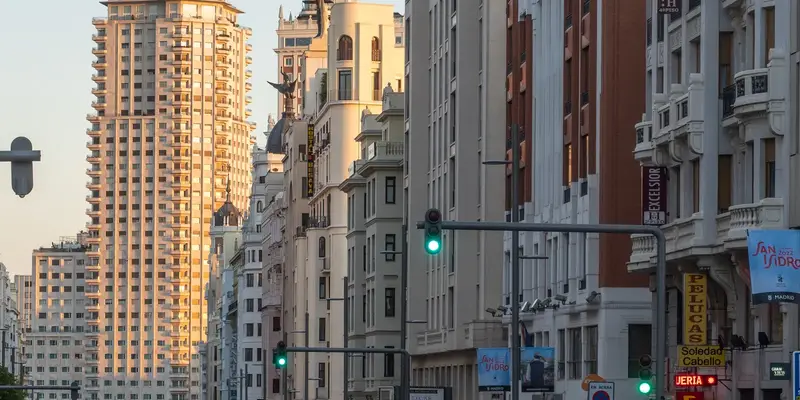
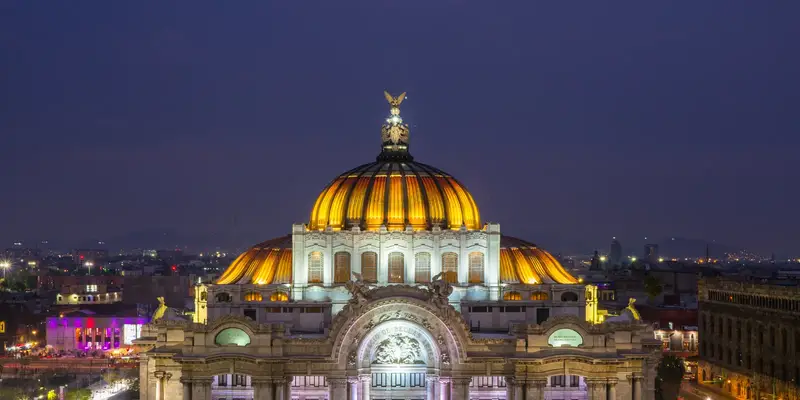
Dense enough that the walking distances decide your day. The month you pick changes the queues more than it changes the weather.
Three to five days
Every destination has a month that is quietly better than the one everyone books, and a month that is quietly worse. These pages say which, and why — the crowd, the heat, the festival that doubles the prices — because that is the part that actually decides an itinerary.
124
guides written and checked by hand
121
with a packing list and month-by-month averages
60
cities with a budget, in 26 countries
6
continents, in six languages
The ones with an amber edge are worth it that month but cost you something — crowds, heat, a festival that doubles the price. The guide says what.
Dense enough that the walking distances decide your day. The month you pick changes the queues more than it changes the weather.
Three to five days
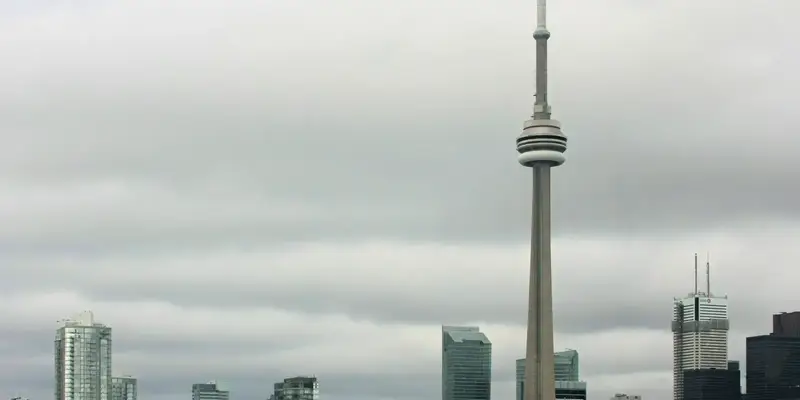
A city you cover on foot, in a climate that will decide how much of it you actually see. August is a genuinely bad idea.
Three to four days
A grid you can read at a glance and an old town you cannot. Two very different walking problems in the same city.
Three to four days
Small, walkable and disproportionately crowded in its centre. The months you choose change the city more than in most European capitals.
Two to three days
A compact, walkable city that rewards two to three days — and one of the few places where a rainy forecast should genuinely change your plan.
Two to three days
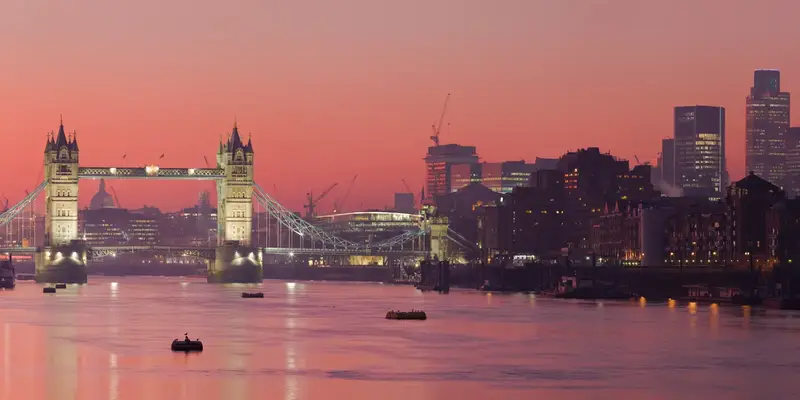
So spread out that the tube map lies to you about distance. The free national museums are the thing that changes how a trip here is planned.
Four to six days
Small enough to cross on foot and organised in rings, so you always know roughly where you are. The big museums need booking weeks ahead.
Two to four days
Small enough to cross on foot in half an hour, and the rare capital where the free museums are the good ones. The trap is spending the whole trip inside four streets.
Two to three days
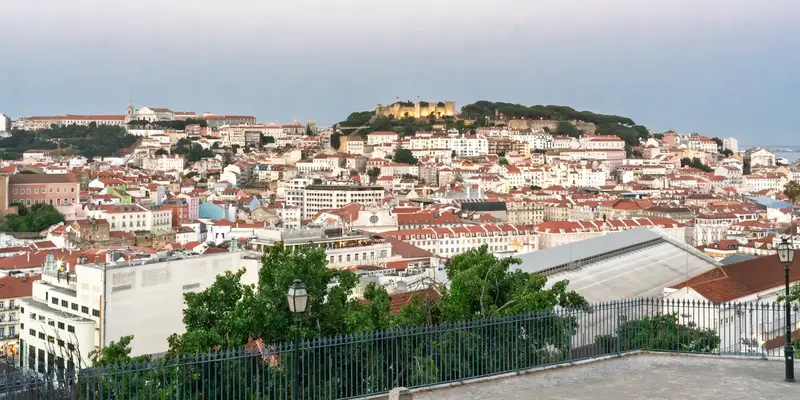
Built on hills steep enough that a map lies to you about how far things are. The viewpoints, not the monuments, are what a day here should be planned around.
Three to four days
A capital that runs three hours later than the rest of Europe and has three of its great museums in one walk. August is the month that empties it.
Three to four days
A capital with no single centre because it spent forty years as two cities. Enormous, cheap for what it is, and organised around its own history rather than around a skyline.
Three to five days
The capital of an empire that no longer exists, built for a country five times its present size. It has vineyards inside the city limits and an opera house that closes all summer.
Three to four days
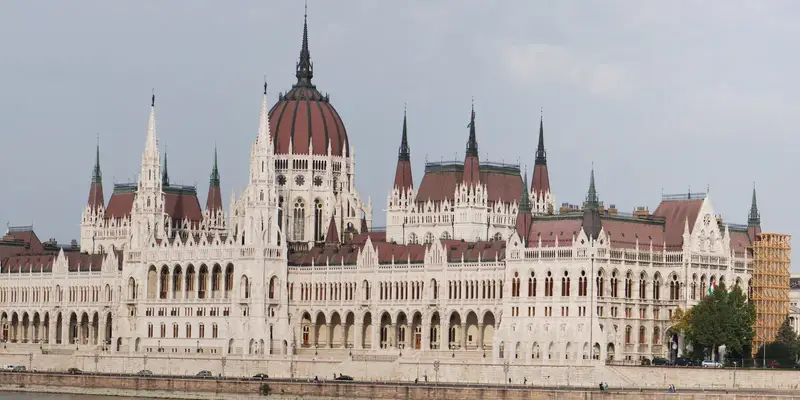
Two cities on opposite banks that only merged in 1873, sitting on top of a hundred thermal springs, with a parliament built for an empire that dissolved.
Three to four days
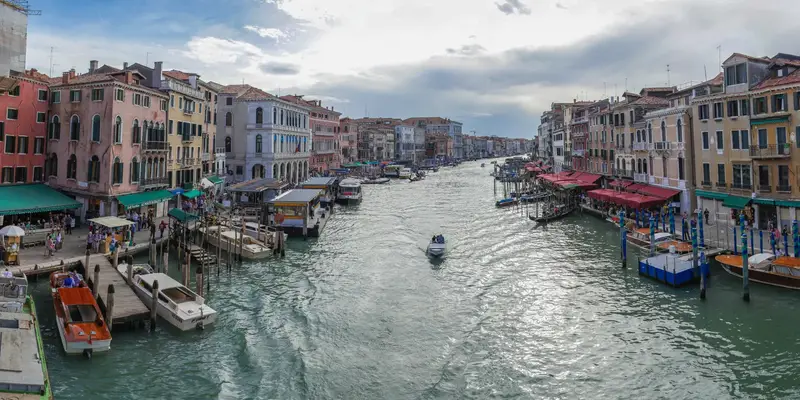
A city built on wooden piles driven into a lagoon, with no cars anywhere in it, and roughly fifty thousand residents receiving twenty million visitors a year.
Two to three days
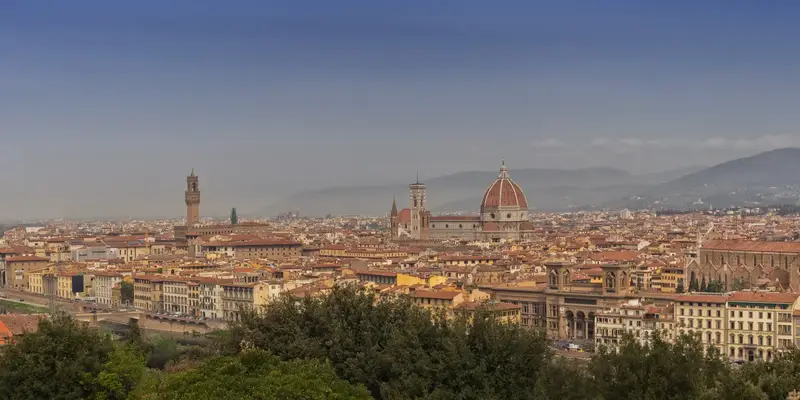
A small city in a river valley that invented the Renaissance and never moved on, dense enough to cross on foot in half an hour and full enough to need booking weeks ahead.
Two to four days
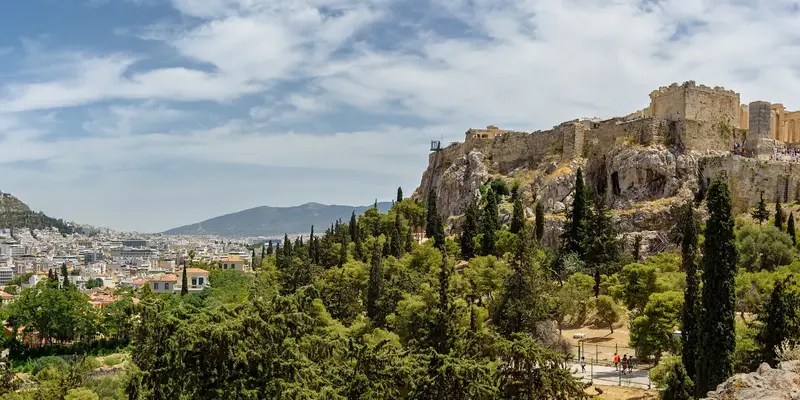
A sprawling concrete capital with a five-thousand-year-old rock in the middle of it, where the ancient part takes a day and a half and the rest of the city is the surprise.
Three to four days
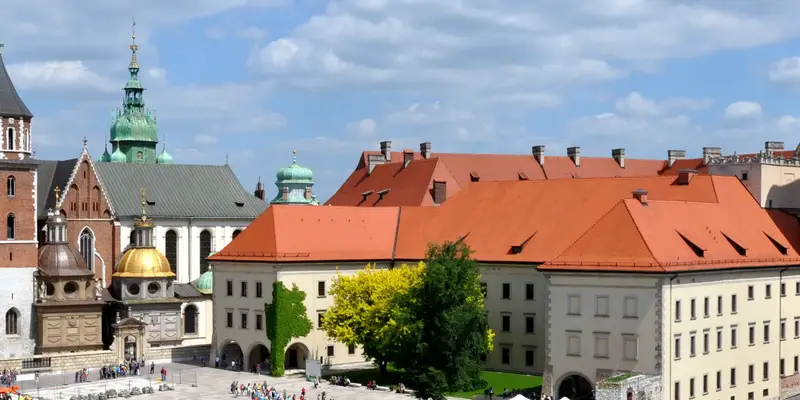
The one large Polish city the war did not flatten, with a medieval square the size of a small district, a castle on a limestone rock, and the hardest day trip in Europe an hour away.
Two to four days
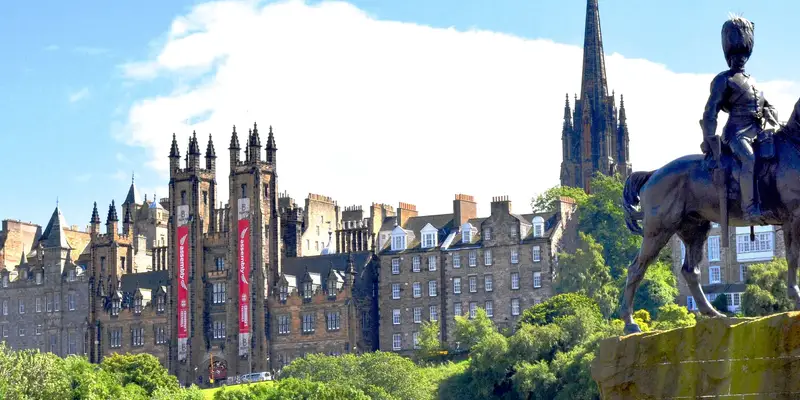
A capital built on extinct volcanoes, with a medieval old town and a Georgian new town side by side, and the largest arts festival on earth every August.
Two to four days
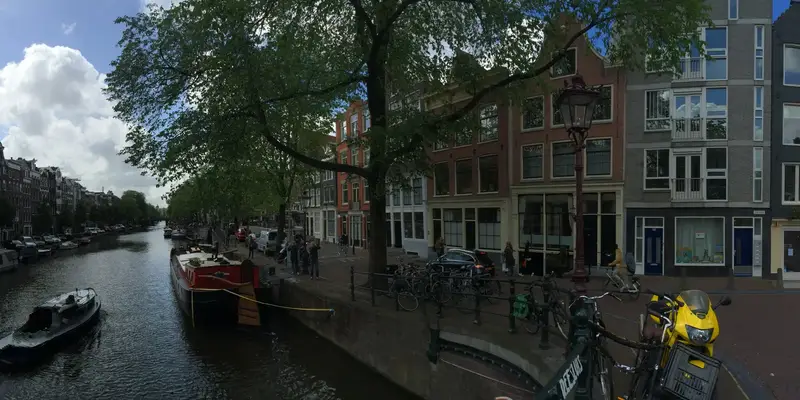
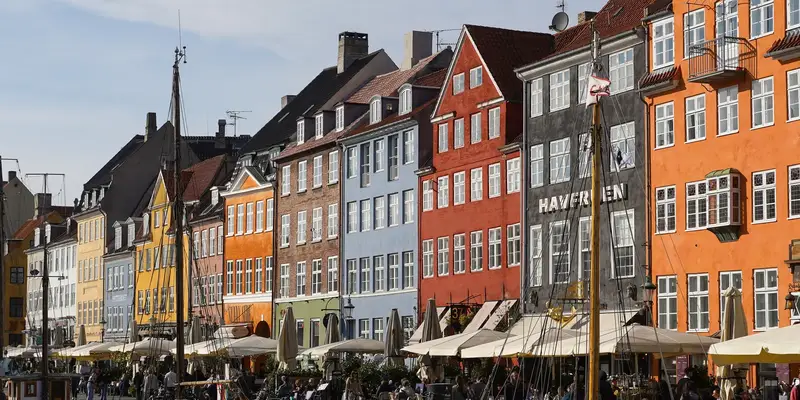
A flat, low, water-bound capital where more people commute by bicycle than by car, and where a restaurant movement rewrote what Northern Europe eats.
Two to four days
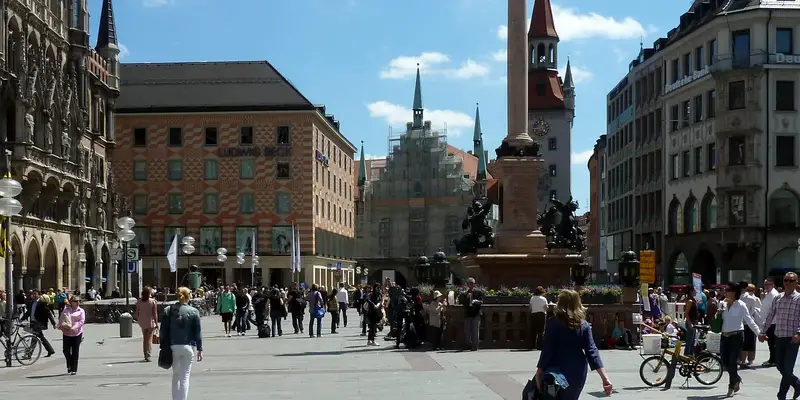
Bavaria's capital: a rebuilt old town, a park bigger than Central Park with a standing wave in it, and beer gardens where you are allowed to bring your own food.
Two to four days
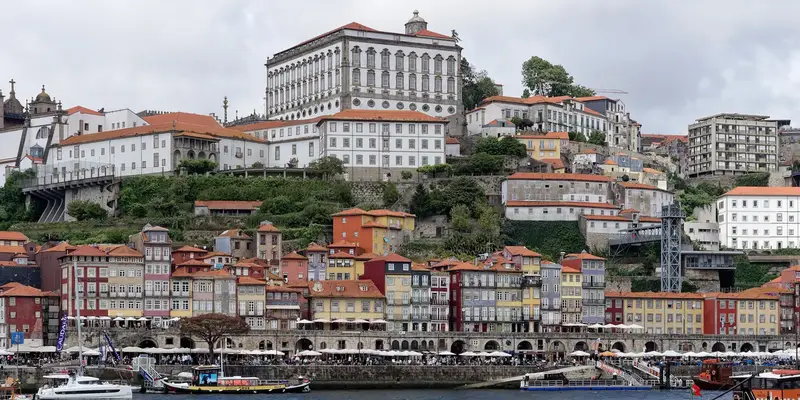
A granite city stacked up a gorge above the Douro, which gave Portugal its name and its most famous wine — and which does not actually make that wine.
Two to four days
A city built for heat and run by it: the day splits in two, the lanes are narrow on purpose, and the two weeks everyone has heard of are the hardest to visit well.
Two to three days
The city most people pass through on the way to Pompeii and the islands, and the one that repays staying. Loud on the surface, Greek in its street plan, and the best place in Italy to eat for very little.
Three to four days
Italy's working city: less beautiful than Rome or Florence at first sight and better organised than either. One painting has to be booked weeks ahead, and a few weeks a year the whole city is sold out to trade fairs.
Two to three days
Nothing matches those three at once. Try widening the month or the length.
A city with no centre, built around railway stations. Plan by station, not by district, and the whole thing becomes manageable.
Four to six days
The city where a badly ordered itinerary costs you hours. Spread out, seasonal, and worth planning properly rather than improvising.
Three to five days
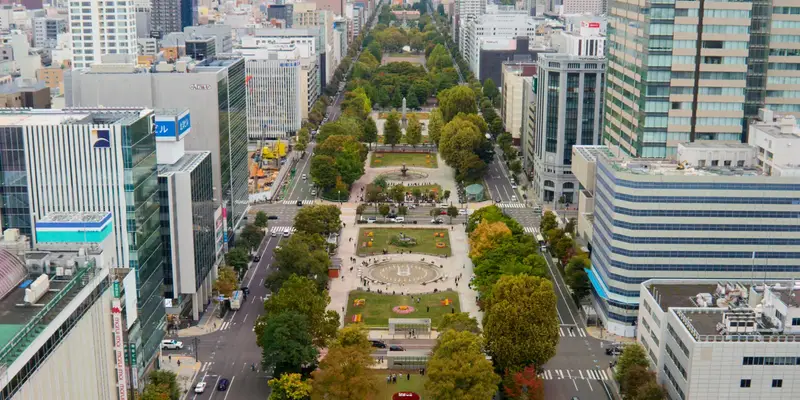
A grid city that is quick to cover and works best as the start of something bigger. The season changes the trip more than in almost any other Japanese city.
Two days, or a base for longer
Traffic makes distance meaningless here. Plan along the river and the elevated rail lines, or lose hours to a two-kilometre journey.
Three to four days
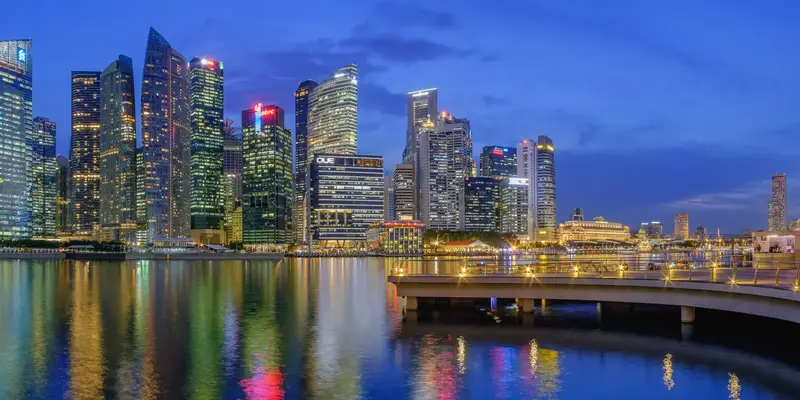
Small, efficient and equatorial. The weather barely changes all year, which makes it one of the few cities where the month is not the main decision.
Two to three days
A city split across two continents by water, where the ferry is both transport and the best thing you will do all day.
Four to five days
A river cuts it into two cities that feel nothing alike, and the mountains stop it expanding. Plan by which side you are on and the day works.
Four to five days
The city that calls itself Japan's kitchen, and means it. Cheaper and more direct than Kyoto, and a better base for the whole Kansai region.
Two to four days
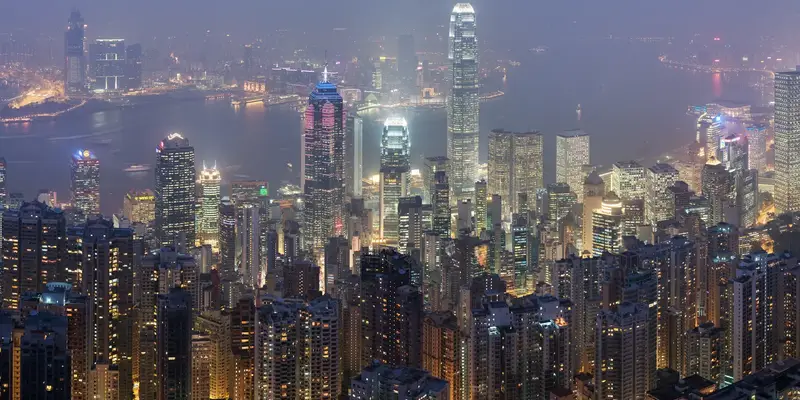
The densest skyline on earth, with hiking trails and empty beaches twenty minutes from it. Almost nobody plans for the second half.
Three to five days
Not one place but half a dozen, an hour or three apart on roads that do not move. Choosing where to sleep matters more here than choosing what to see.
Six to ten days
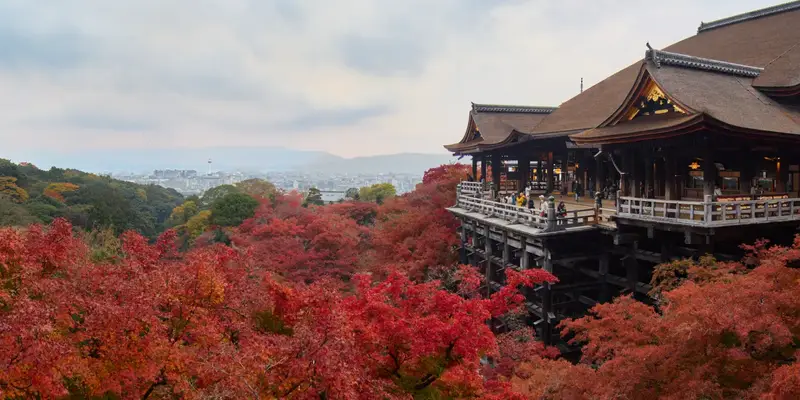
A thousand-year-old capital with a proper cold season that surprises everyone. The food is organised by the hour, and the streets by what they used to sell.
Two to three days
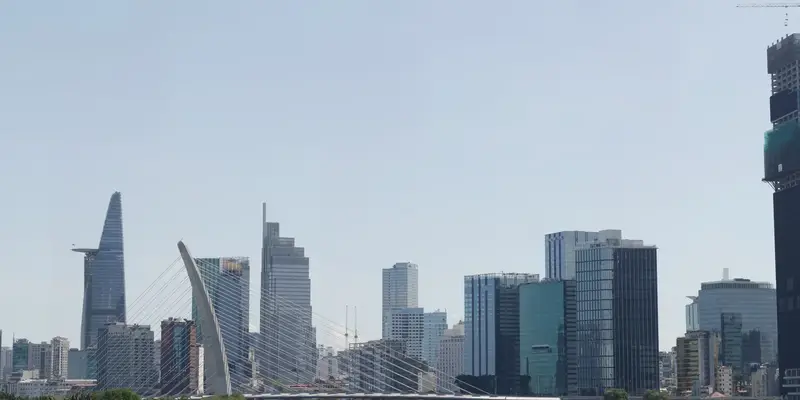
Vietnam's commercial engine, still called Saigon by almost everyone who lives in it. Loud, hot, and the best street food city in the country.
Two to three days
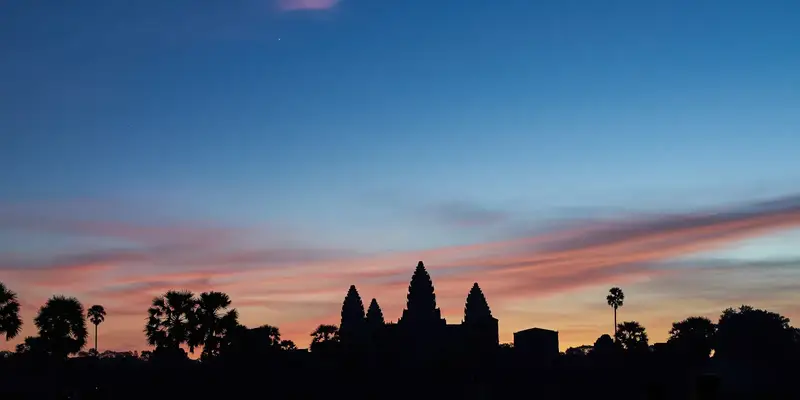
A small town next to the largest religious monument on earth, and the capital of an empire that ran mainland Southeast Asia for six hundred years.
Three to four days
A tin-mining camp that became a capital in a hundred and fifty years, where Malay, Chinese and Indian food are all local and the year has three sets of holidays.
Two to three days
A city in a basin ringed by volcanic mountains, with hot springs inside the metro network, the best-run public transport in Asia and a night market in every district.
Three to four days
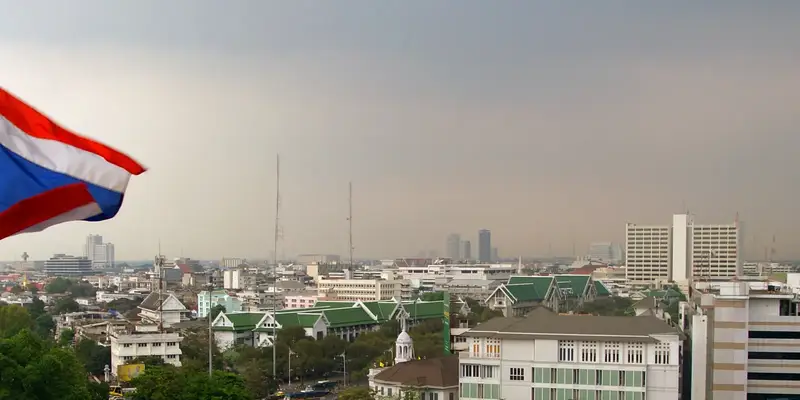
A walled former capital in the northern hills, cooler and slower than Bangkok, with three hundred temples, a mountain above it and two months a year when the air is unbreathable.
Three to five days
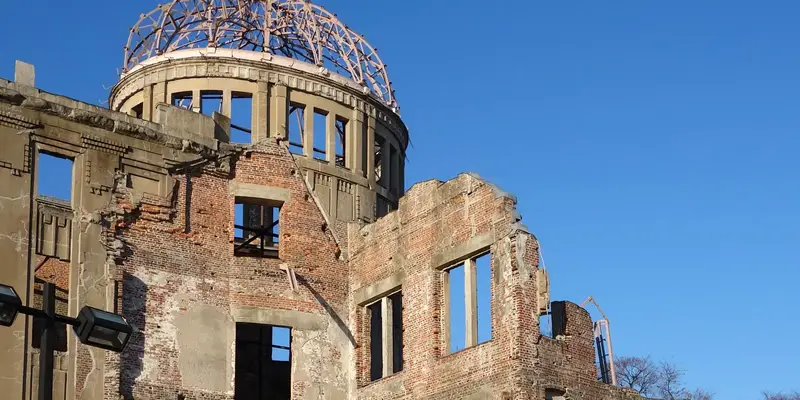
A rebuilt river-delta city that carries the heaviest twentieth-century history in the world, sits half an hour from one of Japan's most photographed shrines, and is far livelier than visitors expect.
Two to three days
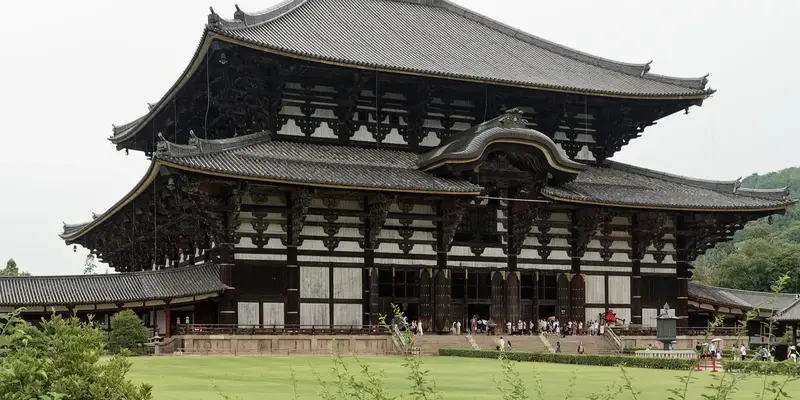
Japan's first permanent capital, older than Kyoto by seventy years, with the largest bronze Buddha in the world and twelve hundred wild deer with the run of the park.
One to two days
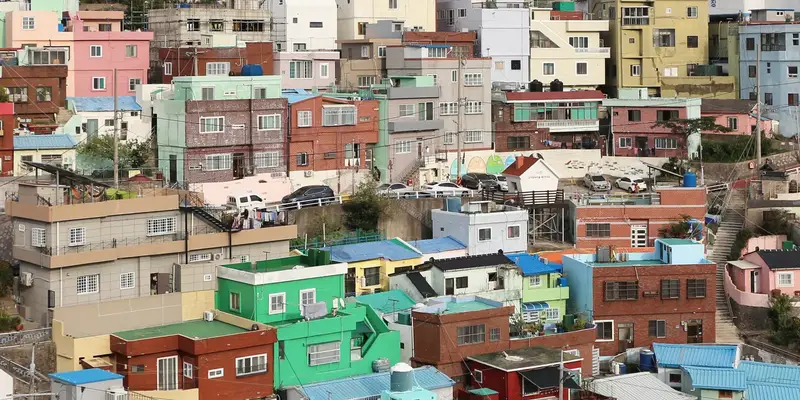
Korea's second city and its biggest port, wrapped around beaches and mountains, with a food culture built by refugees and a temple on the sea.
Two to three days
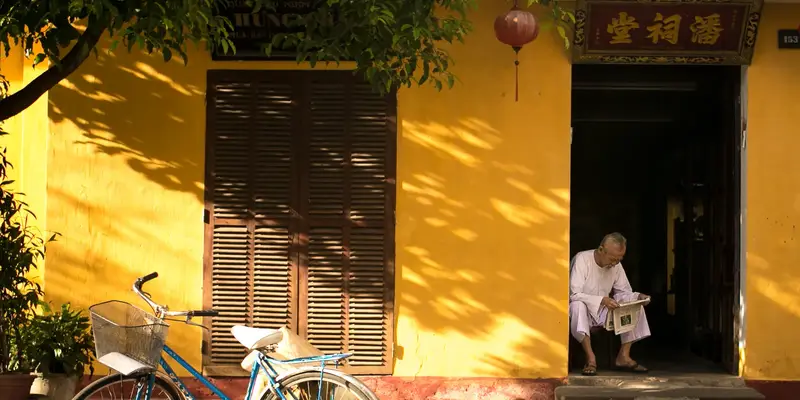
A trading port that fell asleep for two hundred years and woke up intact, with wooden merchant houses, a Japanese bridge and a river that floods it most autumns.
Two to three days
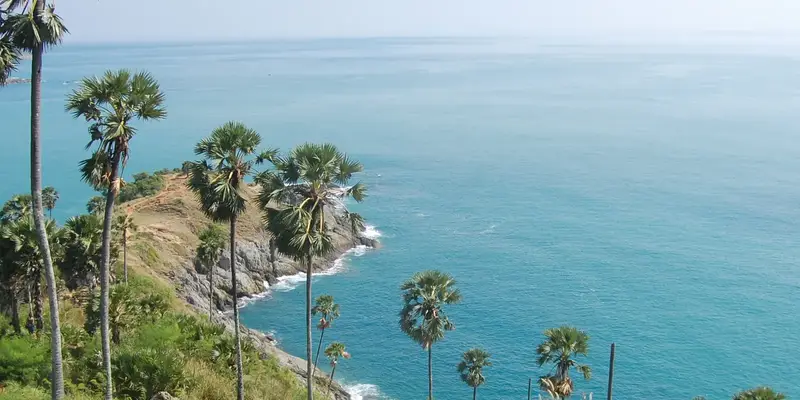
Thailand's largest island, with a tin-mining old town nobody expects, a west coast of beaches ranked by how loud they are, and a monsoon that runs opposite to the other side of the country.
Four to seven days
China's largest city, and the one with the shortest history: a treaty port that turned into a skyline, with the old country an hour away by train.
Three to four days
A capital laid out on an imperial scale, where a block is a kilometre long and every major sight wants a passport and a booking. The plan matters more here than almost anywhere.
Four to five days
A country of small coral islands where the hotel is the destination and the transfer is the journey. The choice between a resort and a local island decides everything else.
Five to seven days
Nothing matches those three at once. Try widening the month or the length.
A grid that makes distances legible and then punishes you for underestimating them. Twenty blocks looks like nothing and is a mile.
Four to five days
Enormous, high-altitude and much easier than its reputation. The rainy season here is an afternoon, not a season.
Four to five days
A compact city wedged between mountains and ocean, with the sharpest wet-season contrast of any major North American city.
Three days, or a base for longer
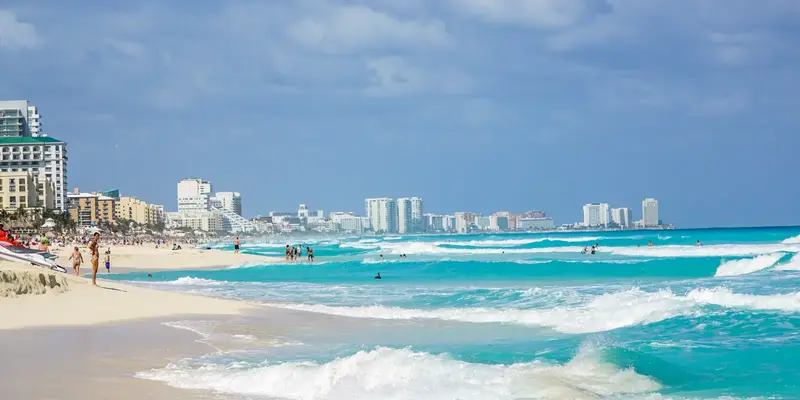
A beach destination where the month decides almost everything — including whether the beach looks like the photographs.
Four to seven days, often as a base
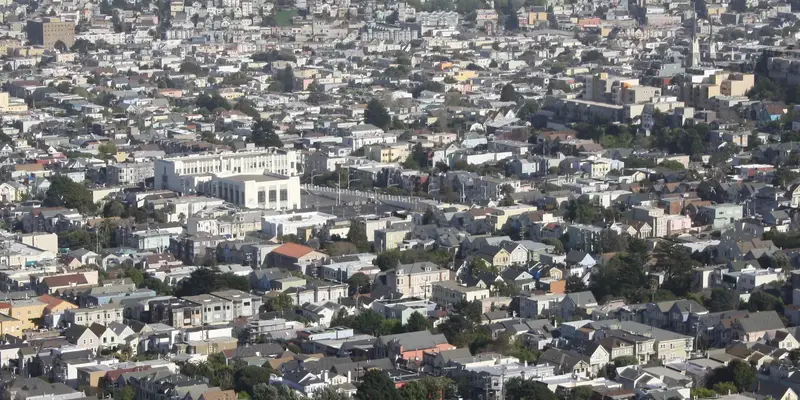
Small enough to walk and hilly enough that you should not. The summer is the foggy season here, which is the opposite of what everyone packs for.
Three to five days
A city with more foreign-born residents than almost anywhere, and the food to prove it. The sights are thin; the neighbourhoods are the reason to come.
Three to four days
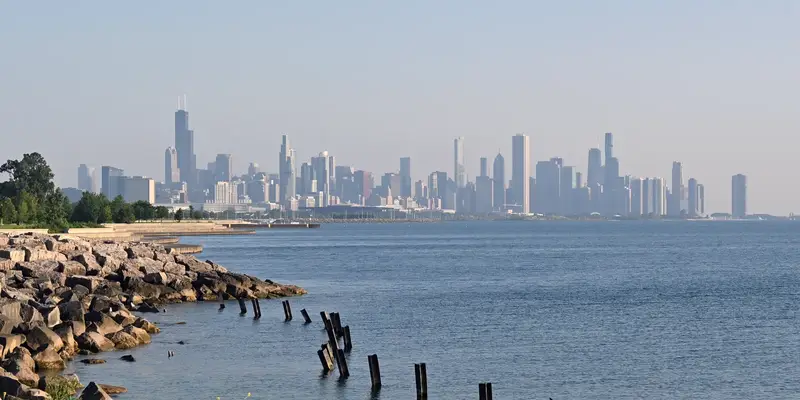
The city where modern architecture was invented, laid out on a grid beside an inland sea. The winter is the reason it is cheap, and it is a real reason.
Three to four days
Not a city with suburbs but a county of towns that grew into each other. Planning by distance fails here; planning by cluster and by hour is the whole skill.
Four to five days
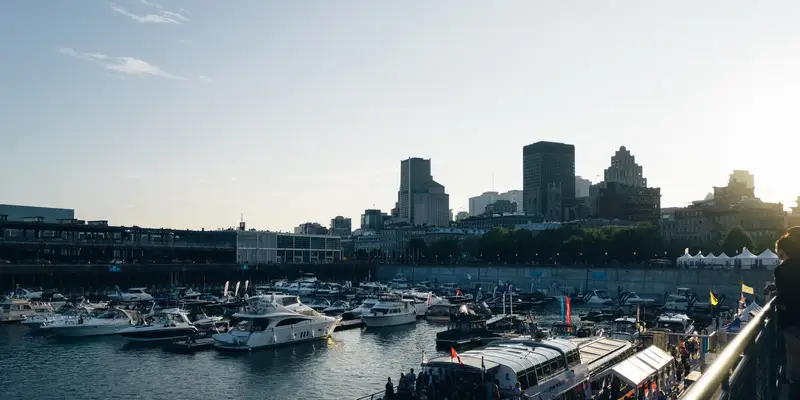
A French-speaking island city with a summer that runs on festivals and a winter that drives thirty kilometres of it underground. The month you pick changes everything.
Three to four days
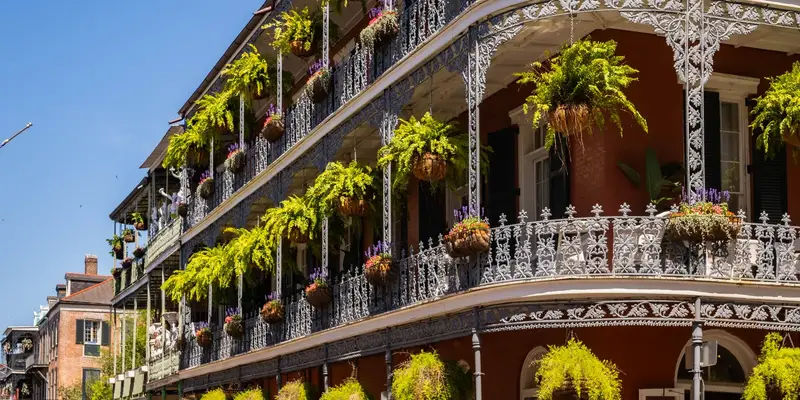
The least American-feeling city in the United States, built by the French, rebuilt by the Spanish, and shaped by the Caribbean and West Africa ever since.
Three to four days
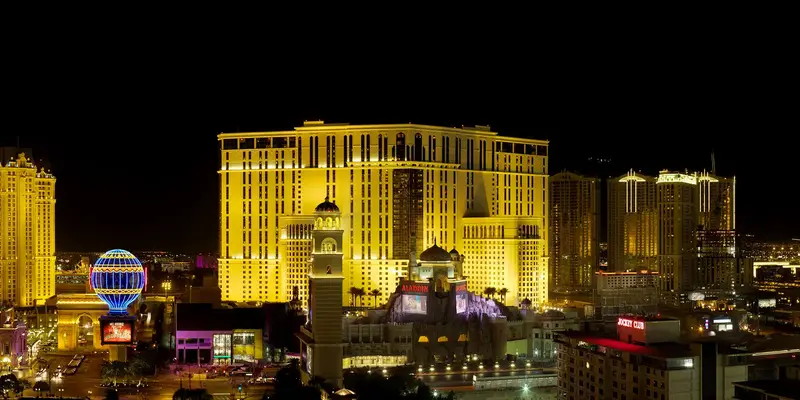
A resort corridor in the Mojave desert, built to keep you indoors. Most of what people call Las Vegas is not legally in Las Vegas at all.
Three to four days
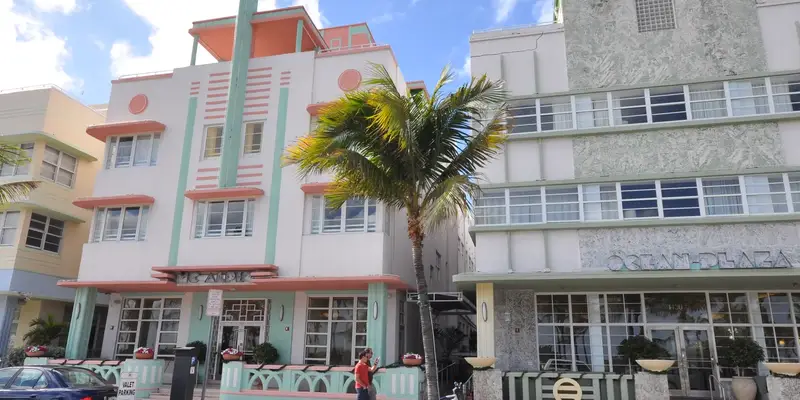
A Latin American capital that happens to be in the United States, with the largest concentration of art deco anywhere and a beach that is a different city from the mainland.
Three to four days
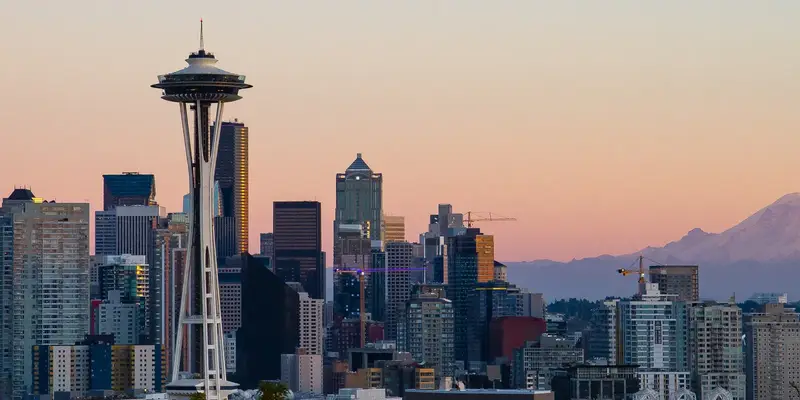
A city on a strip of land between a lake and a sound, with a volcano on the horizon, two mountain ranges within two hours, and a reputation for rain that is only half deserved.
Three to four days
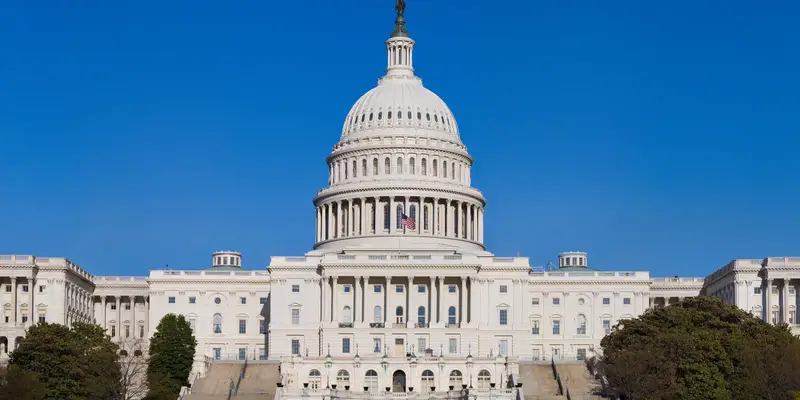
A low, planned capital of monuments and free museums, laid out on a grid with diagonals cut through it, and the only major American city where the best things cost nothing.
Three to four days
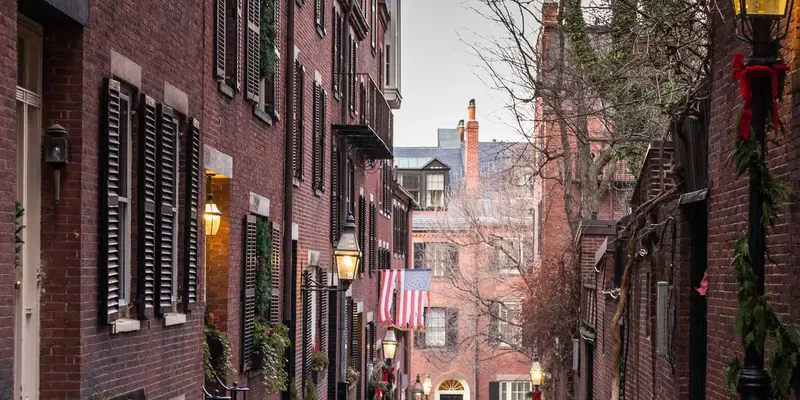
A small, dense, brick-built city that is the oldest thing the United States has, laid out before cars existed and best crossed entirely on foot.
Three to four days
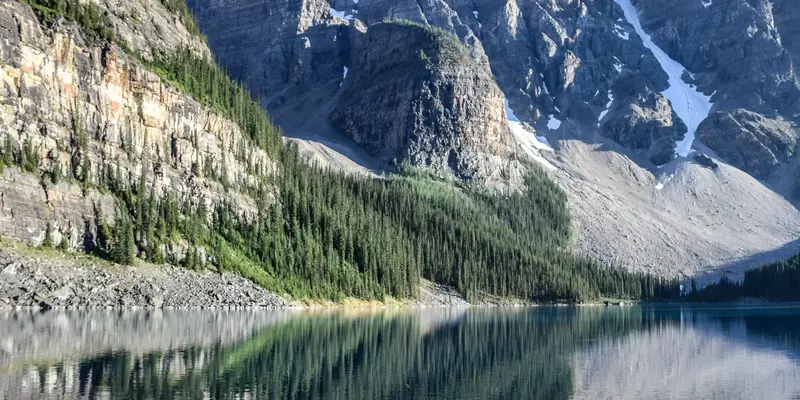
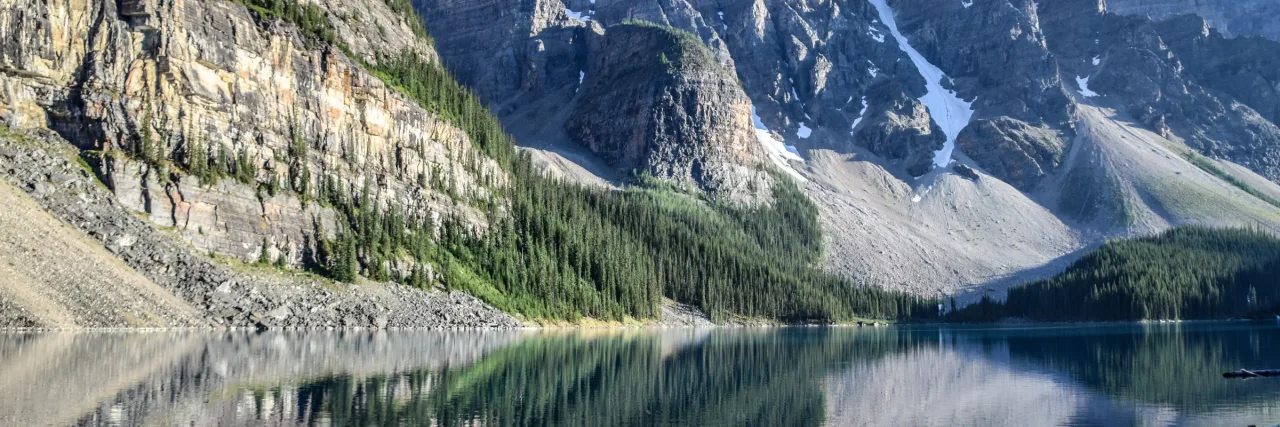
Canada's first national park, a stretch of the Rockies the size of a small country, where the lakes are the colour of the photographs for about four months of the year.
Three to five days
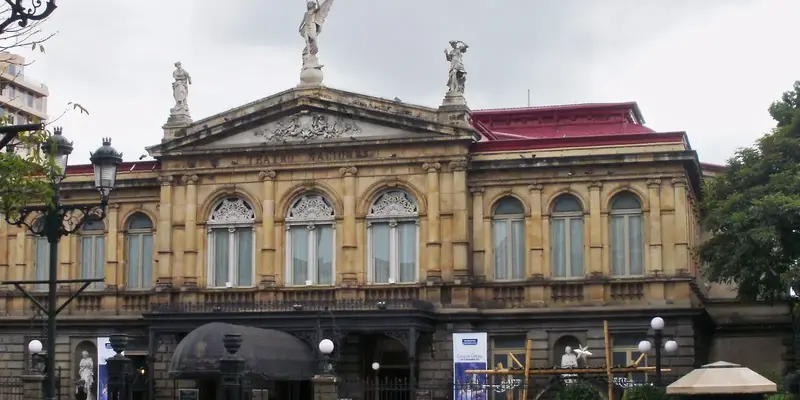
The capital of Costa Rica, at eleven hundred metres in a green valley, and the door every visitor passes through on the way to somewhere else.
One to two days
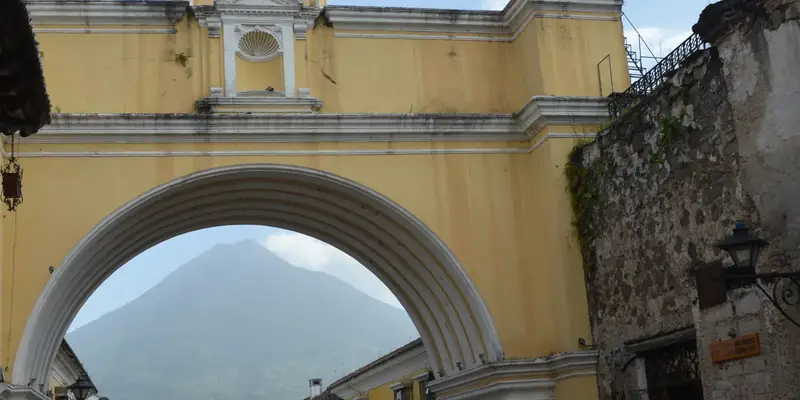
A colonial capital abandoned after an earthquake in 1773, left half-ruined on a grid between three volcanoes, one of which is erupting most days.
Two to three days
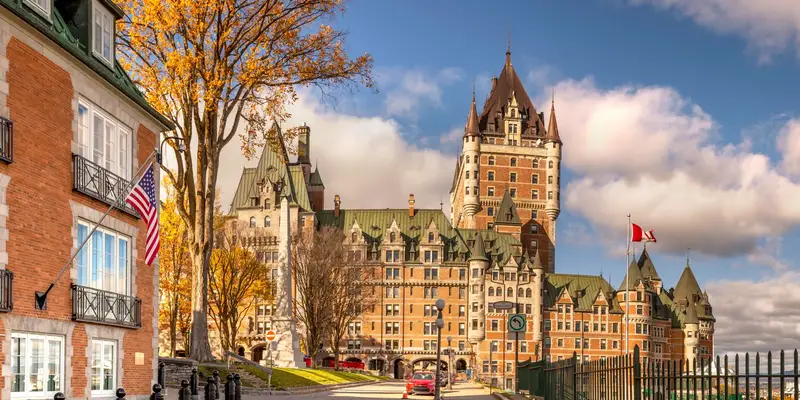
The only walled city in North America north of Mexico, French-speaking, four hundred years old, and built on a cliff above the river that made it.
Two to three days
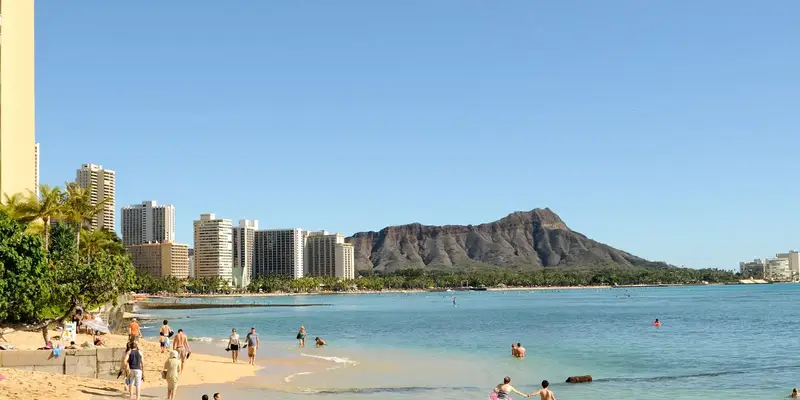
A real city on a small island: a state capital with traffic and office towers, three kilometres of famous beach, and a former kingdom underneath it.
Four to seven days
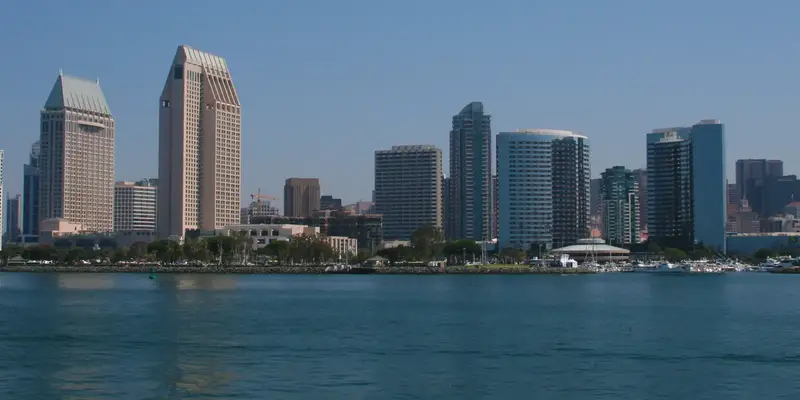
A beach city whose famous sunshine goes missing in early summer, and whose sights are strung along thirty kilometres of coast. The trip is decided by the month and by whether you drive.
Three to four days
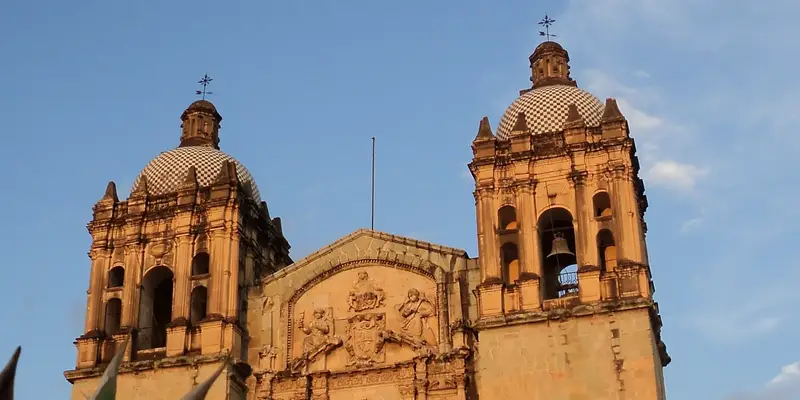
A highland city of green stone, markets and smoke, where the food and the villages around it are the reason to come. Two festivals fill it completely; the rest of the year it is easy.
Three to five days
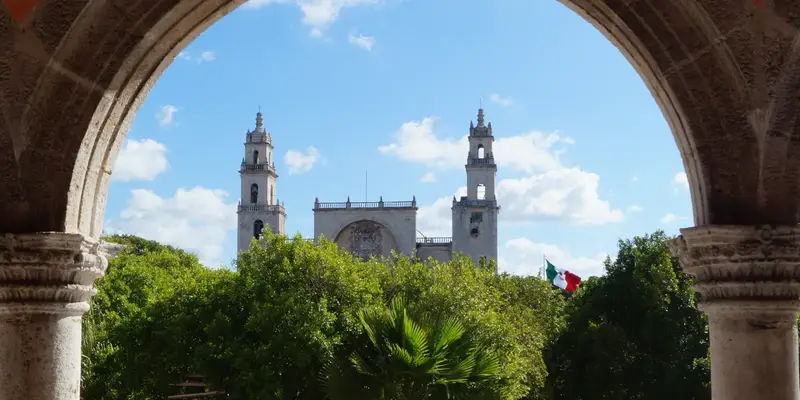
The capital of the Yucatán: a flat, hot colonial city of numbered streets and free music most evenings, and the best base for the Maya ruins, the cenotes and the Gulf coast. The heat sets the timetable.
Three to five days
Nothing matches those three at once. Try widening the month or the length.
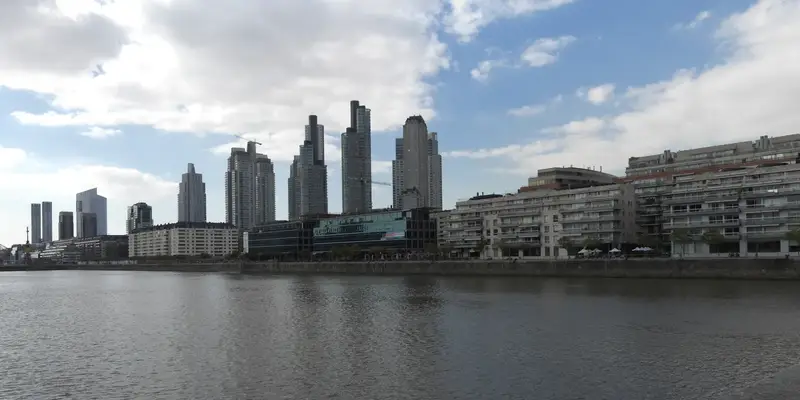
A European-feeling grid with South American hours. The evening starts far later than most visitors plan for.
Four to five days
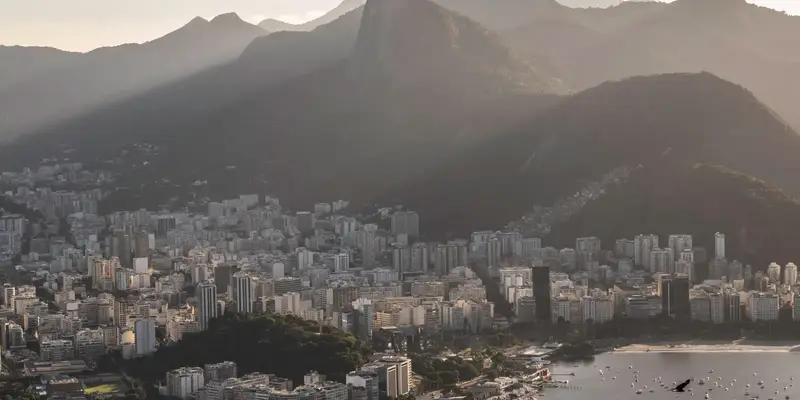
A city built around mountains and beaches, where the weather decides the day and the viewpoints are worth waiting for a clear one.
Four to five days
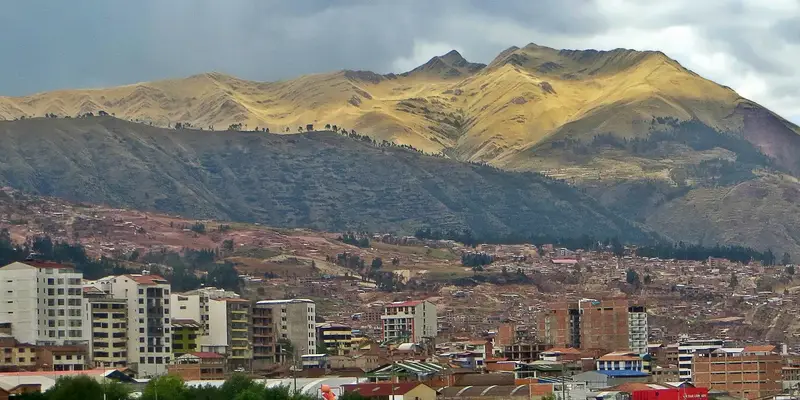
The altitude and the dry season decide this trip. Both are worth planning around properly, and neither is negotiable.
Five to seven days including the valley
A desert capital that is grey for half the year without ever raining. Most people treat it as a stopover, and the food is the argument for staying.
Three to four days
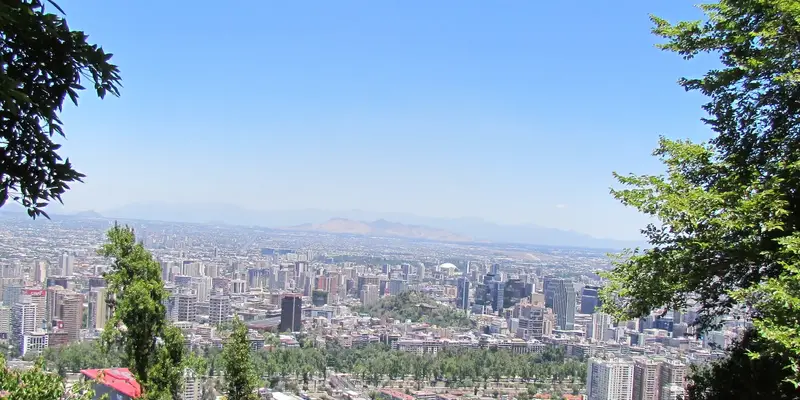
A city with the Andes at the end of the street and a valley that traps its own air. Two days for the city, and the mountains and vineyards are the reason to stay longer.
Three to four days
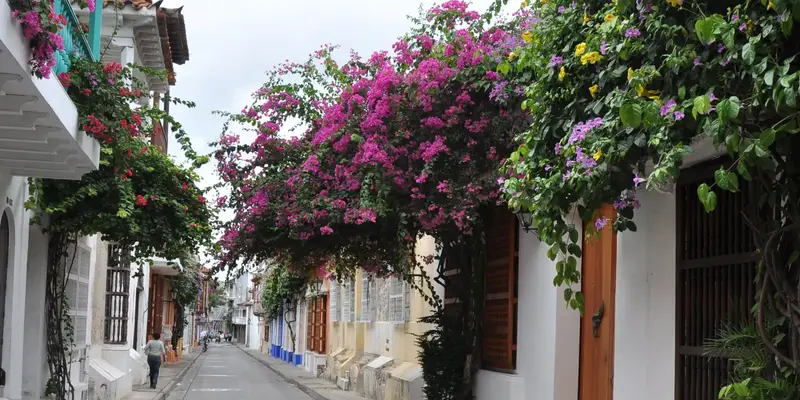
A small walled city on the Caribbean where the humidity, not the temperature, decides how much of the day you can spend outside.
Three days, or a base for the coast
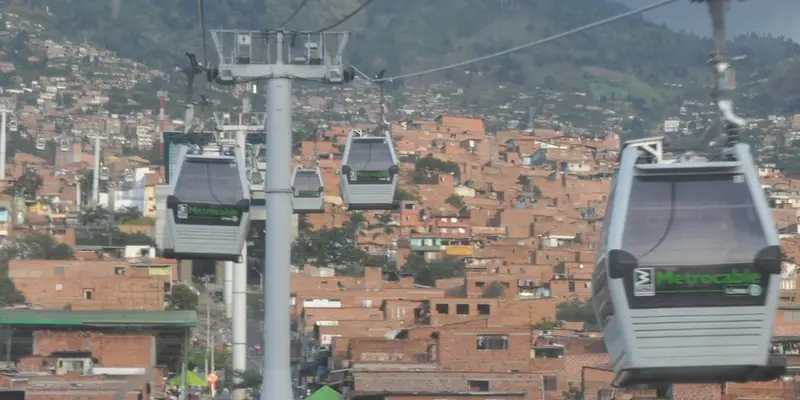
A city in a narrow valley with cable cars for public transport and a climate that barely moves all year. What changes month to month is the rain, not the temperature.
Three to four days
A cold, high capital that almost every visitor packs wrong for. The altitude, not the distance, is what makes the first day harder than expected.
Two to three days
A grey megacity with no beach and no postcard, and the best food, art and nightlife on the continent. It rewards visitors who came for a reason.
Three to four days
The highest seat of government on earth, built inside a canyon, with a cable car network instead of a metro and a second city on the rim above it.
Two to three days
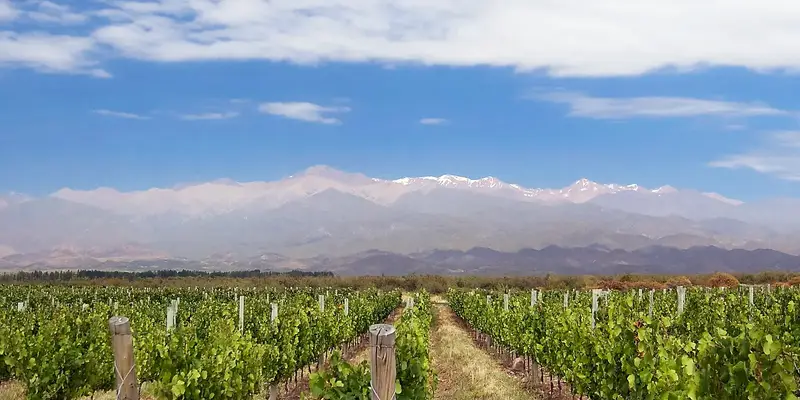
A desert city that grew a wine industry by moving water, at the foot of the highest mountain outside Asia, and the only place in the world where malbec became itself.
Three to four days
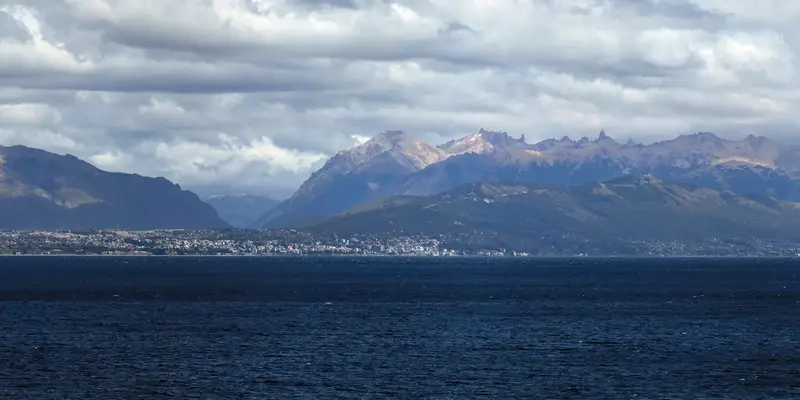
An Argentine lake town built in stone and timber on the shore of a glacial lake, inside the country's oldest national park, with a ski mountain above it and chocolate shops along the main street.
Three to five days
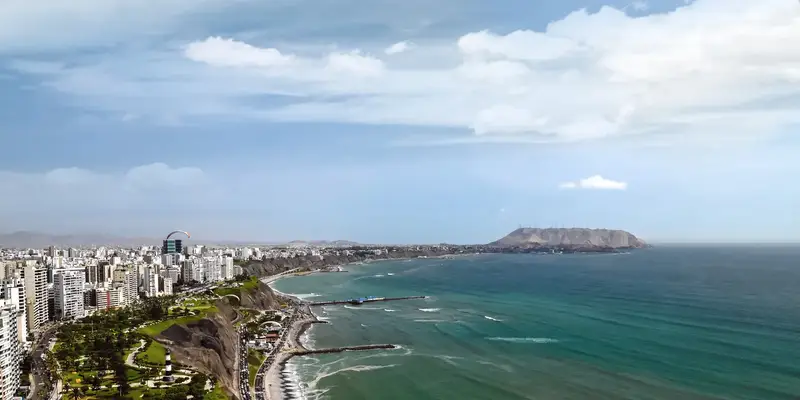
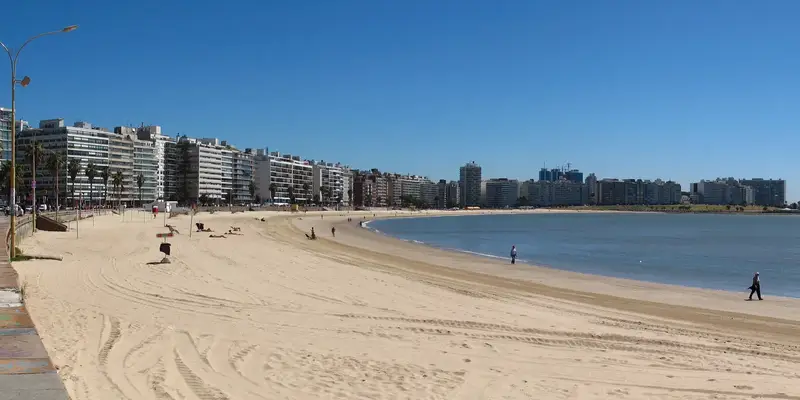
A calm, low-rise capital with a twenty-kilometre promenade along its own beaches, the longest carnival in the world, and a habit of doing very little in a very civilised way.
Two to three days
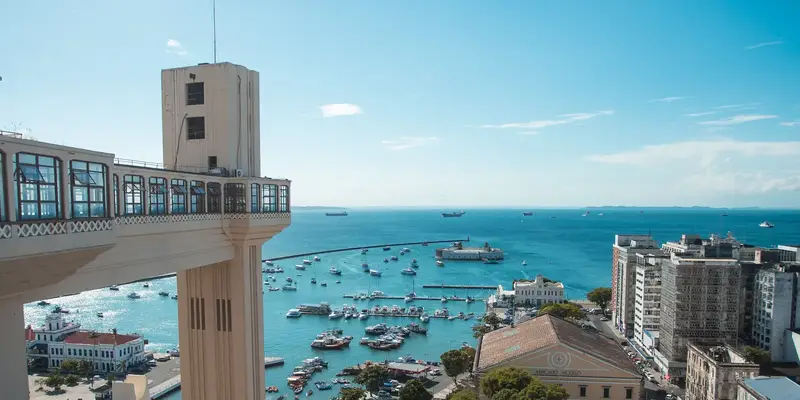
Brazil's first capital, built on two levels above a vast bay, and the most African city in the Americas — where the food, the music and the religion all come from the other side of the Atlantic.
Three to four days
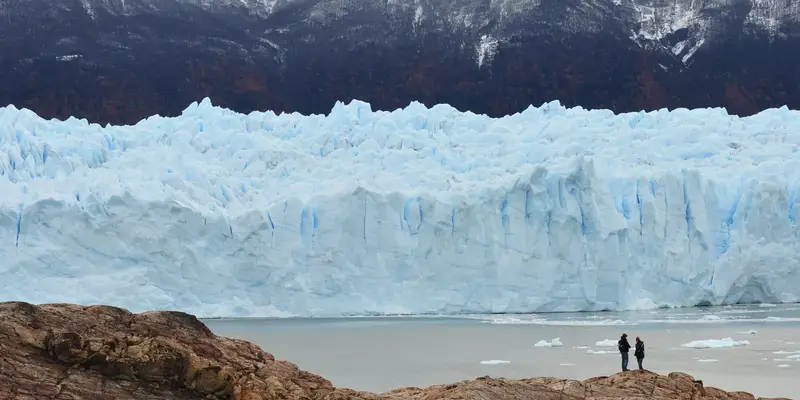
A small town on the shore of a milk-blue lake in Argentine Patagonia, and the only practical door to a glacier that you can walk right up to.
Two to four days
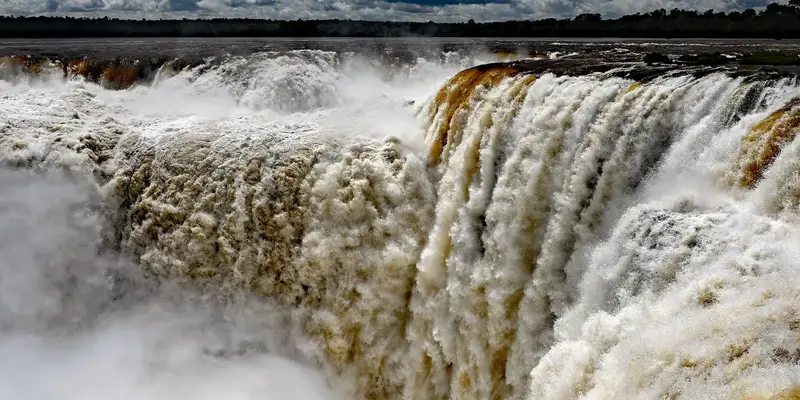
Two hundred and seventy-odd waterfalls spread across nearly three kilometres of jungle river, split between two countries, with a walkway over the largest of them.
Two to three days
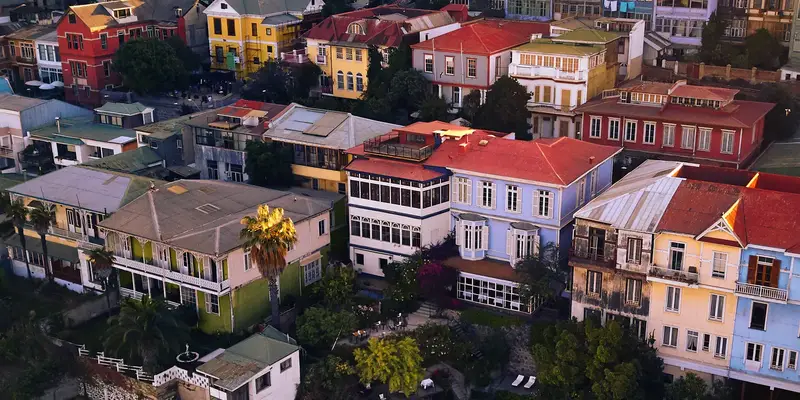
A port built up forty-odd hills in painted corrugated iron, with Victorian funiculars still running, a century of decline behind it and the best street art in South America.
Two to three days
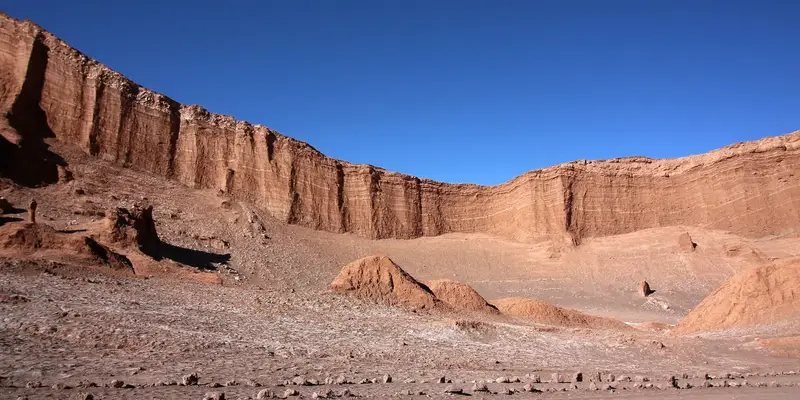
An adobe village in the driest desert on earth, at twenty-four hundred metres, surrounded by geysers, salt flats and volcanoes, under the clearest skies in the world.
Three to four days
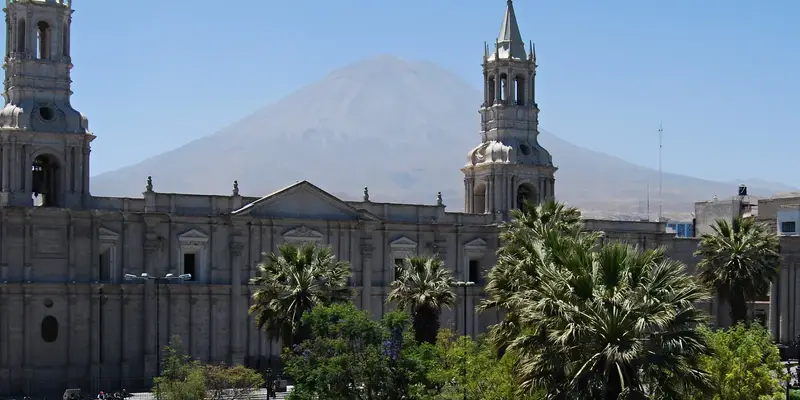
Peru's second city, built entirely from white volcanic stone under a perfect cone, and the altitude that makes everything after it easier.
Two to four days
Nothing matches those three at once. Try widening the month or the length.
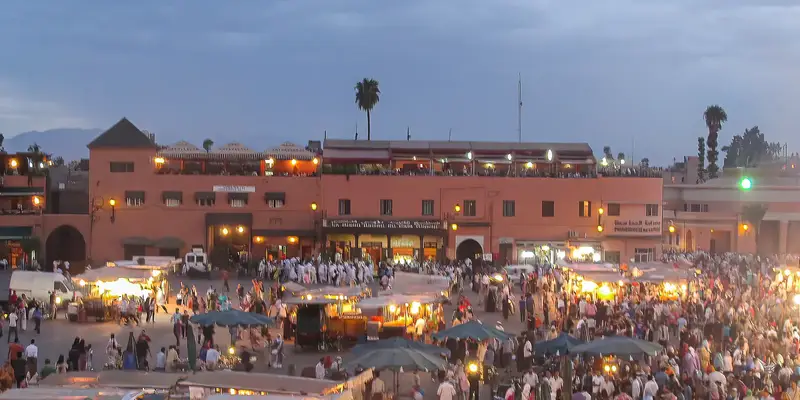
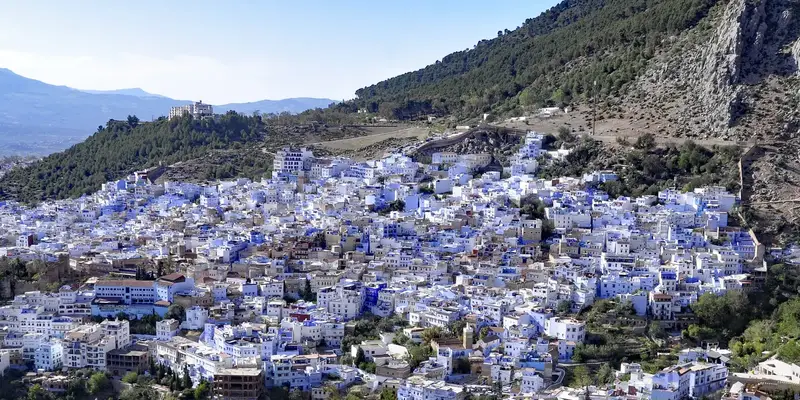
A medina where a map stops helping and the summer heat is not a matter of preference. Spring and autumn are a different city.
Three days, or a base for longer
Enormous, hot and slower to cross than any map suggests. The winter months are not merely nicer — they make the sites possible.
Three to four days
The medina is a real maze with no cars and thousands of lanes. Less polished than Marrakesh and considerably more intact.
Two to three days
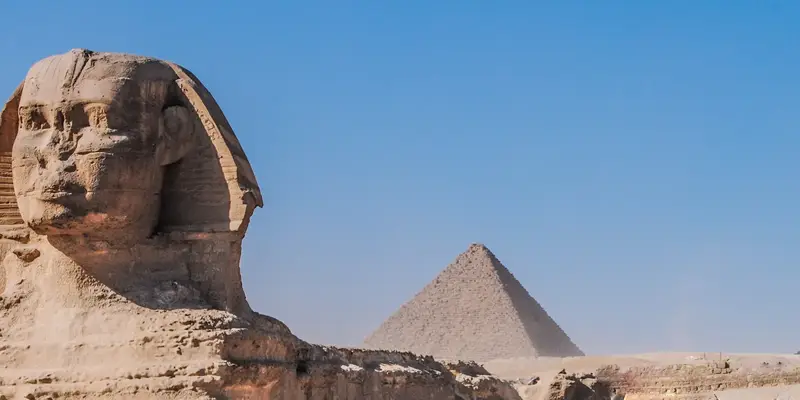
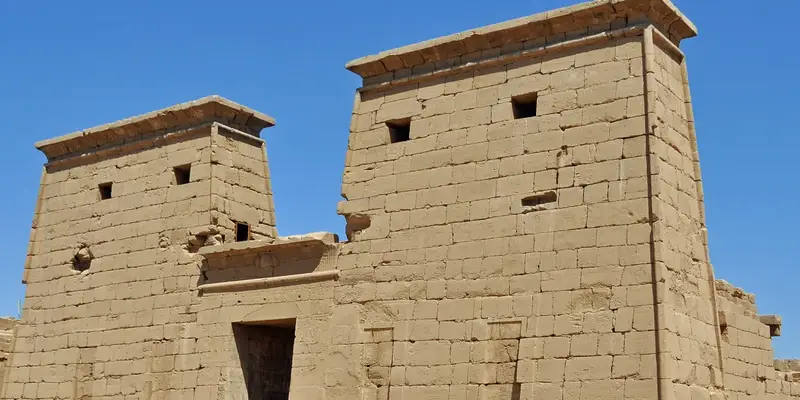
The densest concentration of ancient monuments anywhere, split by the Nile into a temple side and a tomb side. The summer here is not a matter of comfort.
Two to three days
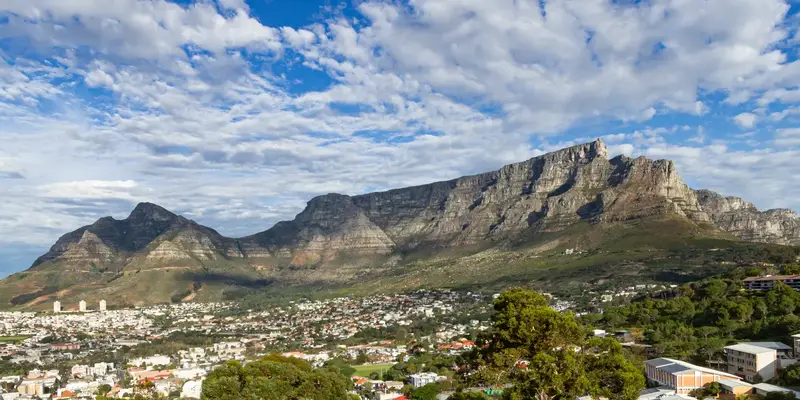
A city arranged around a mountain and dominated by the wind. Keep the mountain day flexible and the whole trip improves.
Four to five days
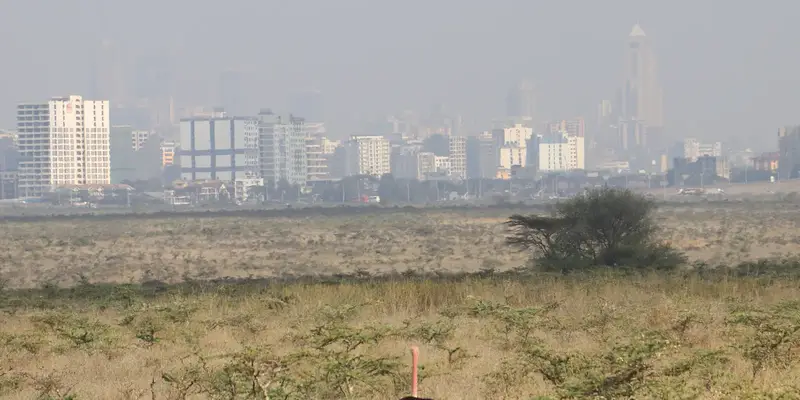
Mostly a gateway, and a good one. The month you pick decides the safari far more than it decides the city.
One to two days, plus what follows
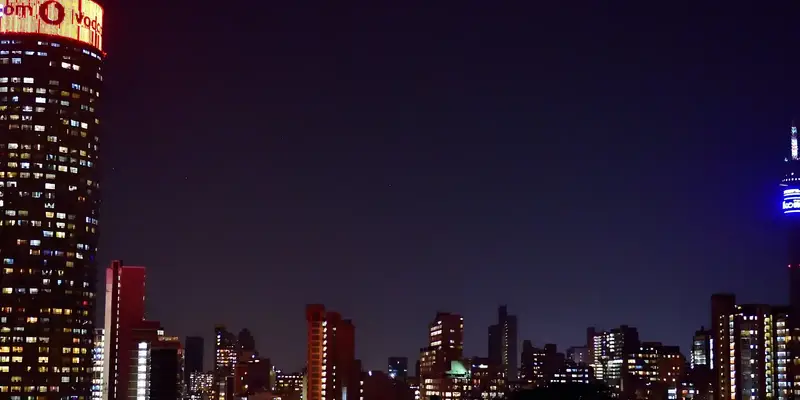
A city built on gold at 1,750 metres, with the best museums in Africa about its own history. It is a driving city and planning around that is the whole job.
Two to four days
A small blue town in the mountains that most people build a whole trip around and that needs a night. What to do with the second day is the real question.
One or two nights
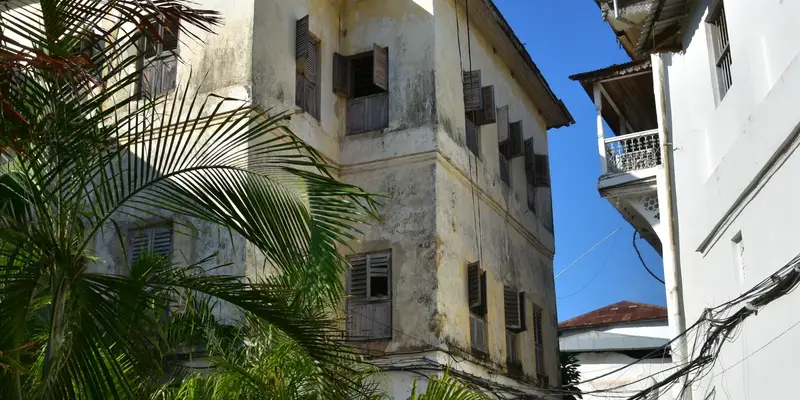
An island of Indian Ocean trade history with a UNESCO old town and beaches that empty out twice a day. The tide, not the weather, decides most of your days.
Five to seven days
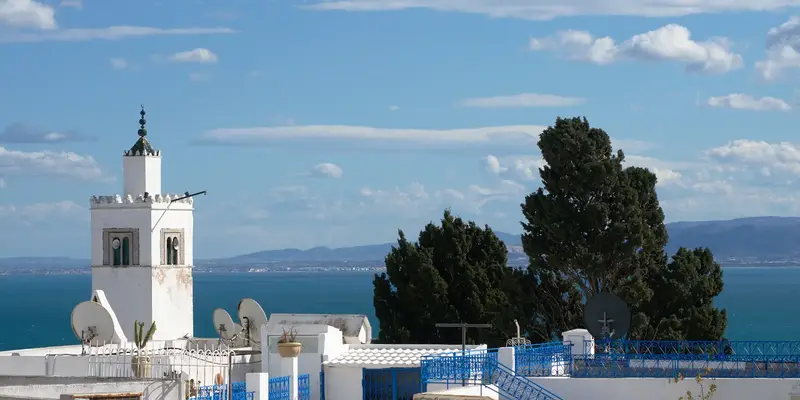
A World Heritage medina, the ruins of Carthage on a suburban train line, and a French colonial avenue in between. The most compact North African capital.
Two to three days
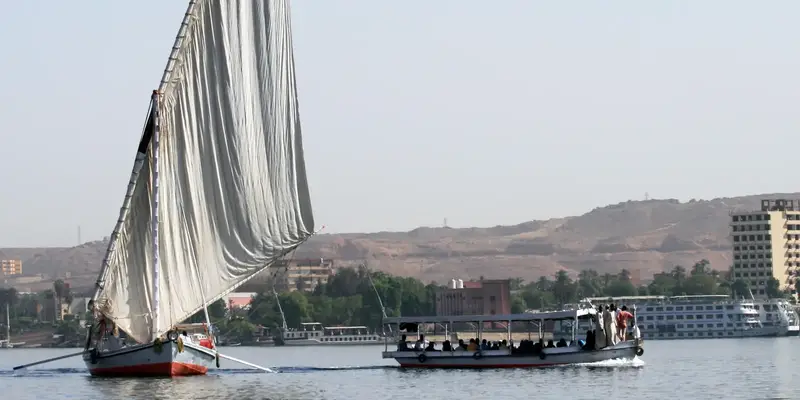
Egypt's southern frontier for four thousand years, where the Nile breaks into granite islands and half the monuments were moved to save them from a lake.
Two to three days
A walled port on the Atlantic, laid out on a grid by a French engineer in the 1760s, and the one Moroccan medina where nobody follows you down the street.
Two to three days
A cool highland city under a volcano, and the door to the Serengeti, the Ngorongoro crater and everything else on Tanzania's northern circuit.
Two to three days, plus the safari
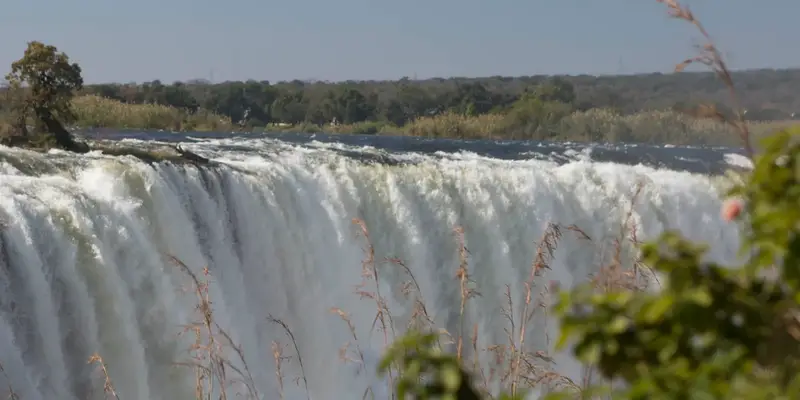
A curtain of water more than a kilometre and a half wide falling into a crack in the earth, shared by two countries, where the month you visit changes what you actually see.
Two to three days
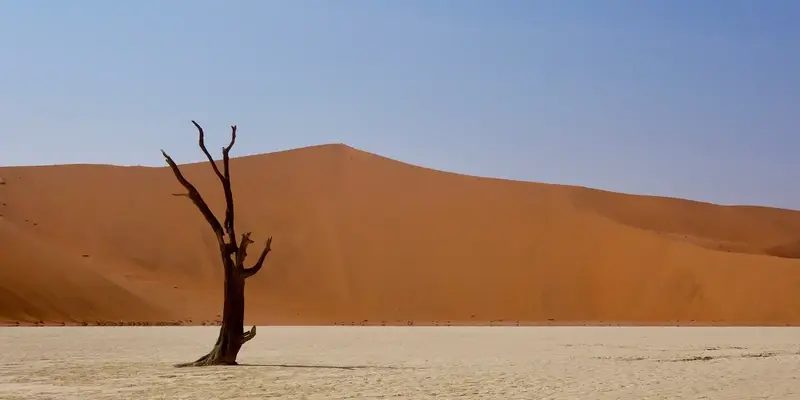
A clay pan at the end of a dry river in the oldest desert on earth, surrounded by red dunes three hundred metres high, and one of the few places where the photograph is not an exaggeration.
Two to three days
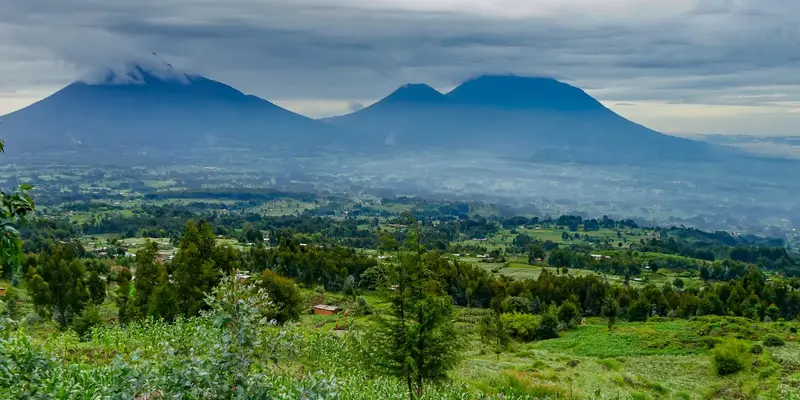
A green capital spread over a set of ridges, unusually clean and unusually safe, and the arrival point for almost everyone going to see mountain gorillas.
Two to three days
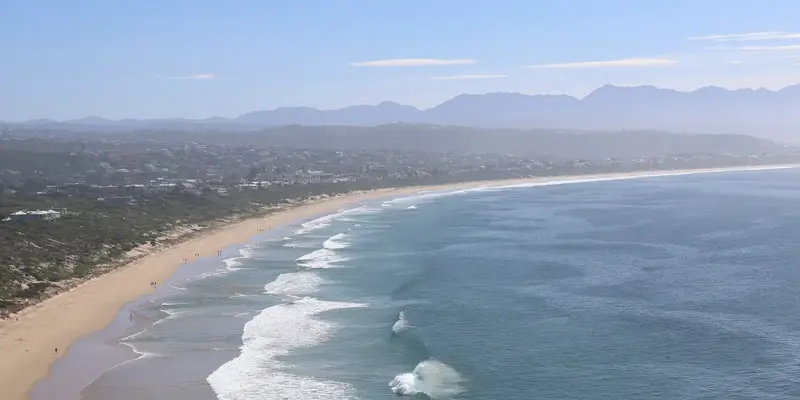
Three hundred kilometres of South African coast between mountains and sea, with forest, lagoons, whales in winter and a road that is far easier than its reputation.
Four to seven days
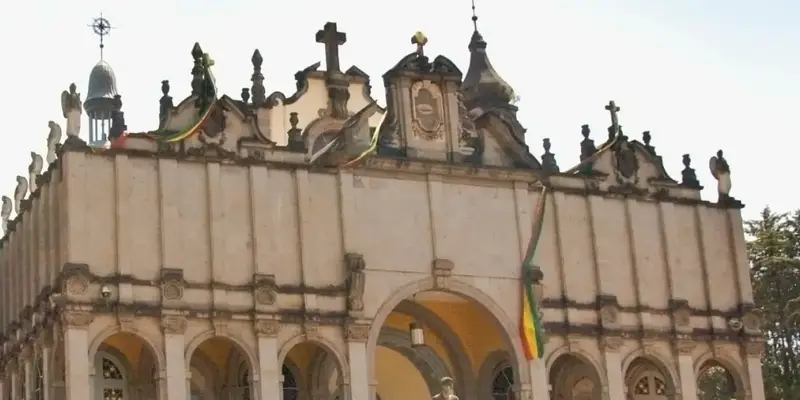
Africa's diplomatic capital at two thousand four hundred metres, in a country that was never colonised, keeps its own calendar and invented coffee.
Two to three days
Nothing matches those three at once. Try widening the month or the length.
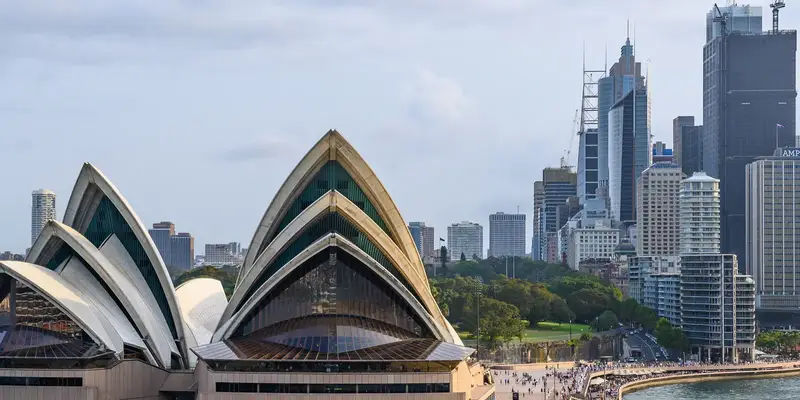
A harbour city where the public ferries double as the best sightseeing you can do. Plan around the water, not the roads.
Four to five days
Not a destination so much as the door to two of them: the reef and the oldest rainforest on earth. The season decides more here than in any other city on this list.
Three to five days
A grid city with the best coffee and the least predictable weather in Australia. Four seasons in a day is a local joke and an accurate one.
Three to four days
Two destinations sharing a name: a summer hiking base and a winter ski town. Pick the wrong season and you get neither.
Three to five days, or a base for Fiordland
A city spread between two harbours, where the best days involve a ferry out of it. Two days in town, then the islands.
Two to three days
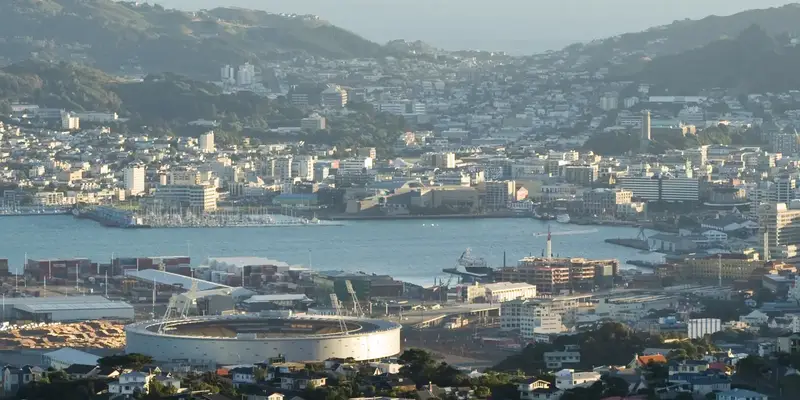
A compact capital squeezed between a harbour and steep hills, with a free national museum and more cafés per person than anywhere else in the country. The wind is a real planning factor.
Two to three days
The city everyone drives through on the way to the coasts, with a free swimming beach in the middle of it and the best-value public transport in the country.
Two to three days
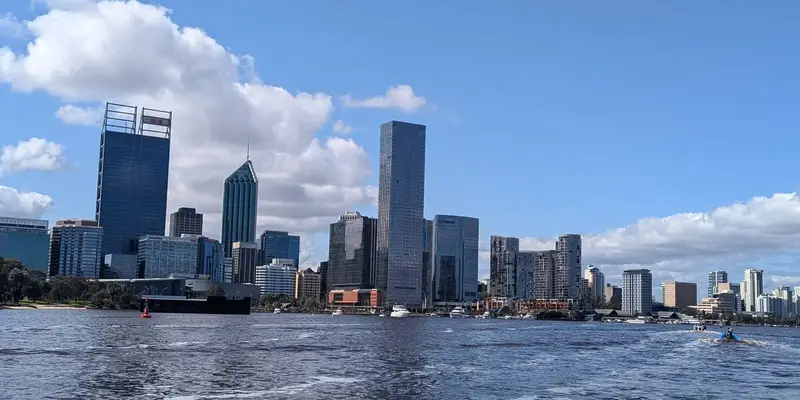
The most isolated major city on earth, with more sunshine than any other Australian capital and a wind that arrives every summer afternoon like clockwork.
Three to four days
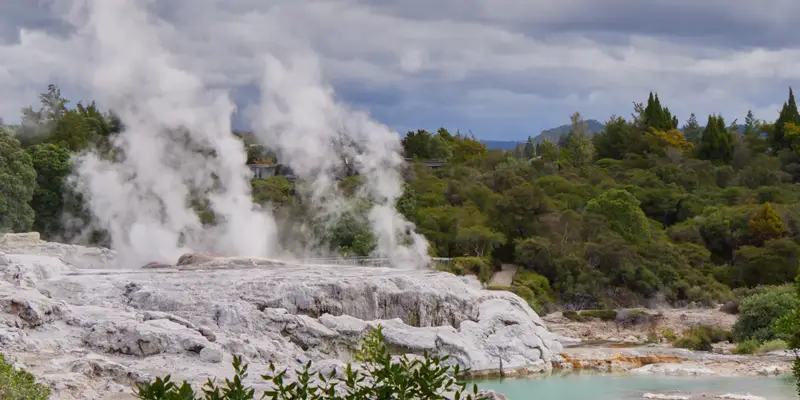
A town built on an active geothermal field, and the centre of Māori cultural life in New Zealand. Steam comes out of the parks, the gutters and the lake.
Two to three days
Australia's second-oldest city and its coldest, built as a penal colony under a mountain, and now the base for the best food and the strangest museum in the country.
Two to three days
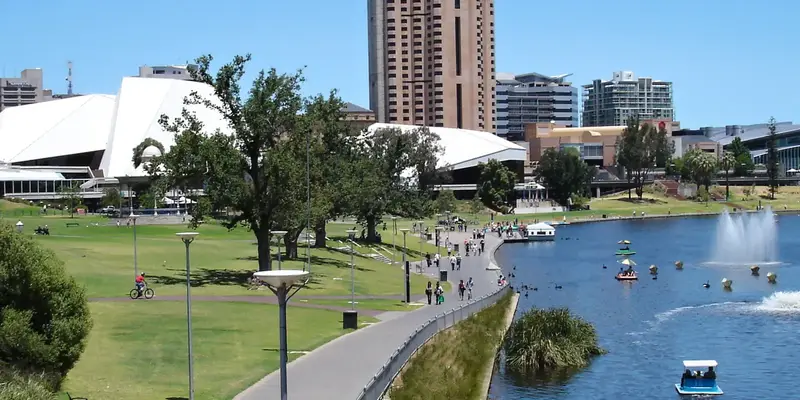
The only Australian capital founded by free settlers rather than convicts, laid out as a grid ringed entirely by parkland, with four wine regions within an hour.
Two to three days
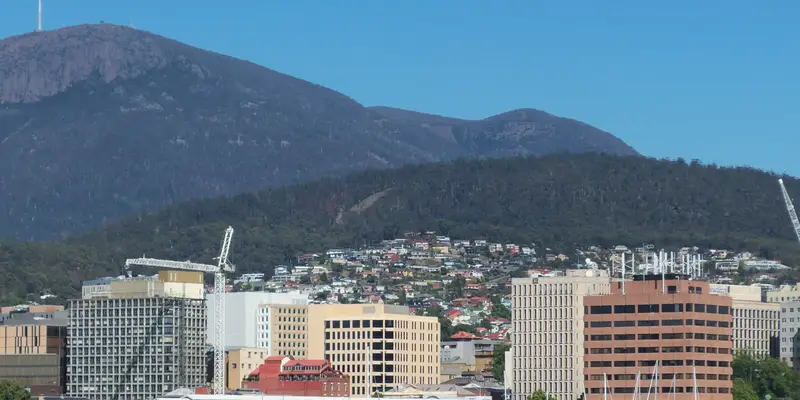
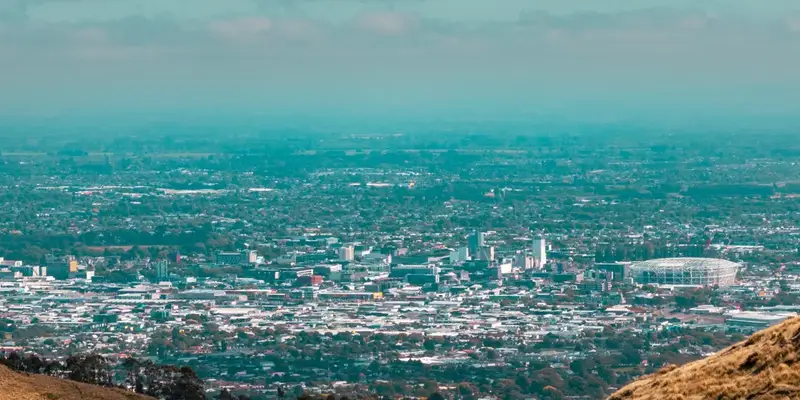
A flat, green city on the edge of two eroded volcanoes, rebuilt from the ground up after the earthquakes, and the door to almost everything on the South Island.
Two to three days
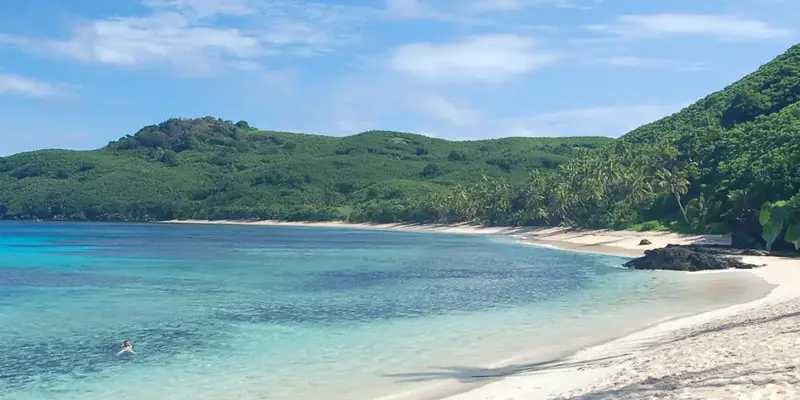
Three hundred and thirty islands of volcanic rock and reef, where the decision that shapes the whole trip is not what to do but which group of islands to sleep in.
Six to ten days
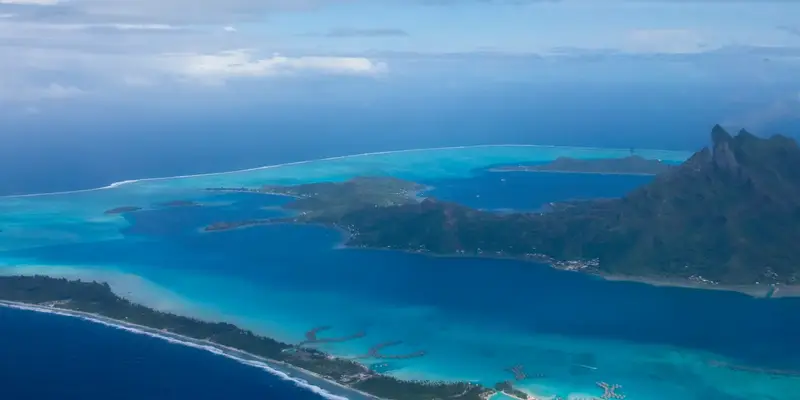
The eroded core of an old volcano standing in a lagoon inside a ring of coral islets, six thousand kilometres from anywhere, and the most photographed water in the Pacific.
Four to seven days
Nothing matches those three at once. Try widening the month or the length.
Nothing matches those three at once. Try widening the month or the length.
Plan more.Regenerate more.Keep your plans private.
Joru is out on Google Play and the App Store. Free to plan, no account needed to start.
The list grows slowly because each page is written and checked by hand rather than generated. No prices, walking times or exact temperatures are published here: those come from the app, which builds them from open data at the moment you plan, instead of from a page written once and left to go stale. Where a date moves each year — cherry blossom, Ramadan, Carnival — the range is given and the fact that it moves is said out loud.
Photographs are from Wikimedia Commons under licences that allow commercial use. Each guide credits its own photographer and licence in full, underneath the picture.