
Skip to content
Joru
Hokkaidō, Japan

Sapporo

Sapporo is the northern end of the route drawn across Joru's own map, and it is an unusual planning problem: the city itself is straightforward — a grid, walkable, easy to read — while everything around it depends entirely on the month you arrive.

How long to stay

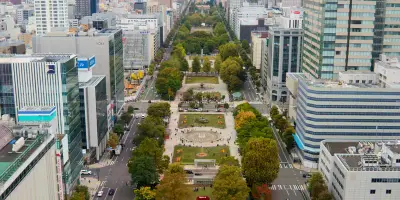
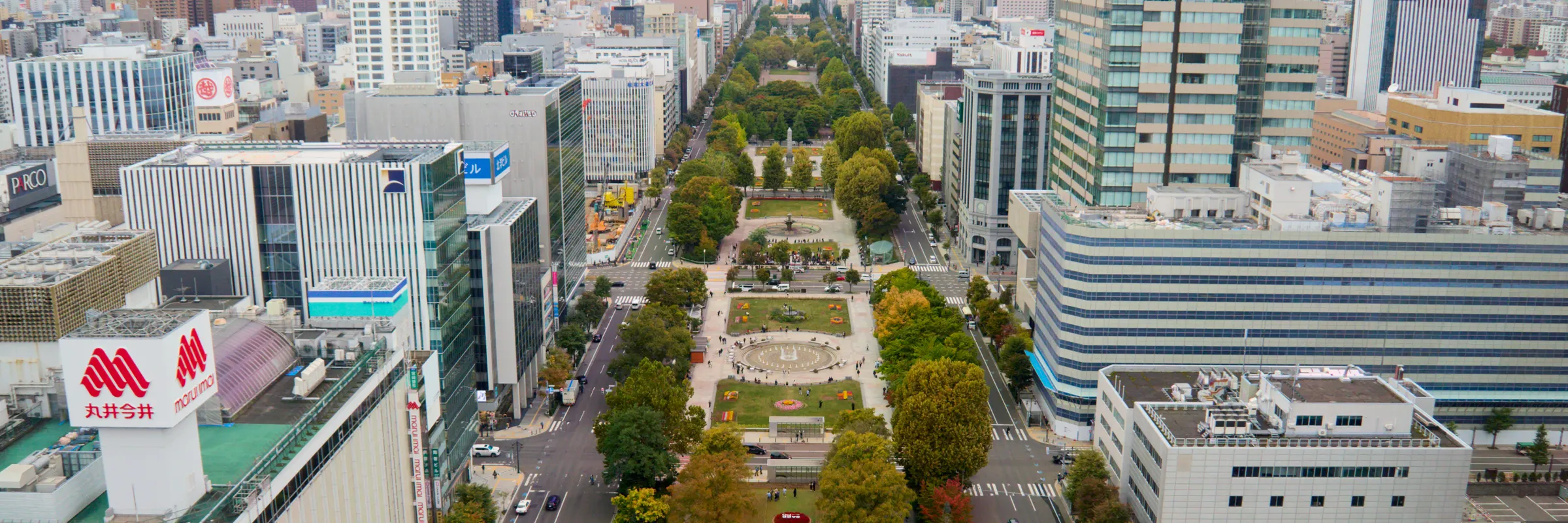
Two days covers Sapporo comfortably. The centre is a numbered grid, which makes it one of the easiest Japanese cities to navigate without a plan, and the things worth seeing sit close together around the park that runs through the middle.

The reason to stay longer is not the city, it is Hokkaidō. Sapporo is the natural base for everything else on the island, and a trip built as *two days here, then somewhere else* almost always beats five days in one place — which is the kind of shape that needs multi-destination planning rather than a single-city itinerary.

How the city is laid out

Sapporo was planned, which is rare in Japan and very convenient for you. Addresses are coordinates on a grid rather than a puzzle, and you can walk between most of the centre without thinking about transport at all.

  • Odori and the central grid — the park through the middle, and the reference line everything else is measured from.
  • Susukino — the eating and evening district, immediately south and walkable from the centre.
  • Around the station — where you arrive, where you will change trains for the rest of Hokkaidō.
  • The edges — hills, a ski area and the brewery district. All reachable, none of them a five-minute detour.

When to go, and what each season gives you

Almost nowhere in Japan changes as much between seasons as Hokkaidō. These are not variations on one trip; they are four different trips, and the useful thing is knowing which one you booked.

  • June to AugustGo now

    Mild when the rest of Japan is not

    Hokkaidō largely escapes both the rainy season and the worst of the summer humidity, which is exactly why Japanese travellers go north in summer. Long days, comfortable walking, lavender in the interior in July.

  • September and OctoberGo now

    Autumn colour, and it arrives first here

    Hokkaidō turns several weeks before the main island — late September in the mountains, October in the city. Cool, clear and quiet.

  • December to MarchWorth it, but

    Real winter, and the reason many people come

    Deep, reliable snow and short daylight. This is peak season for skiing and for the snow festival in early February, so it is busy and expensive rather than quiet. A completely different trip, not a worse one.

  • April and MayWorth it, but

    The awkward gap, with late blossom

    Snow is going, green has not arrived, and some mountain roads stay closed. The compensation is that cherry blossom reaches Hokkaidō in early May, weeks after the rest of the country — the only place in Japan where you can catch it after Golden Week.

Things that change the trip

  • Decide the season before the itinerary. In Hokkaidō the month determines what is even open, not just what is pleasant.
  • The snow festival in early February fills the city completely. Book months ahead or avoid that week.
  • Distances on the island are much larger than they look. Sapporo to the popular national parks is a serious journey, not a day trip.
  • Winter driving here requires proper snow experience. Trains and buses are the sane default.
  • The city is the food capital of the island, and the standard is high enough that a food-led day is a legitimate plan.

Plan Sapporo, or all of Hokkaidō

Two days in Sapporo is inside the free version. Adding the rest of Hokkaidō — several cities, with the transport between them — is what Premium is for.

Destinations