


Skip to content
JoruJoru
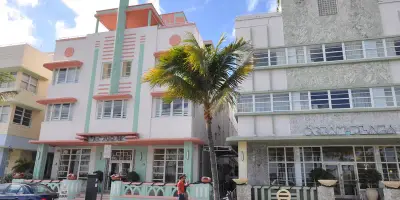
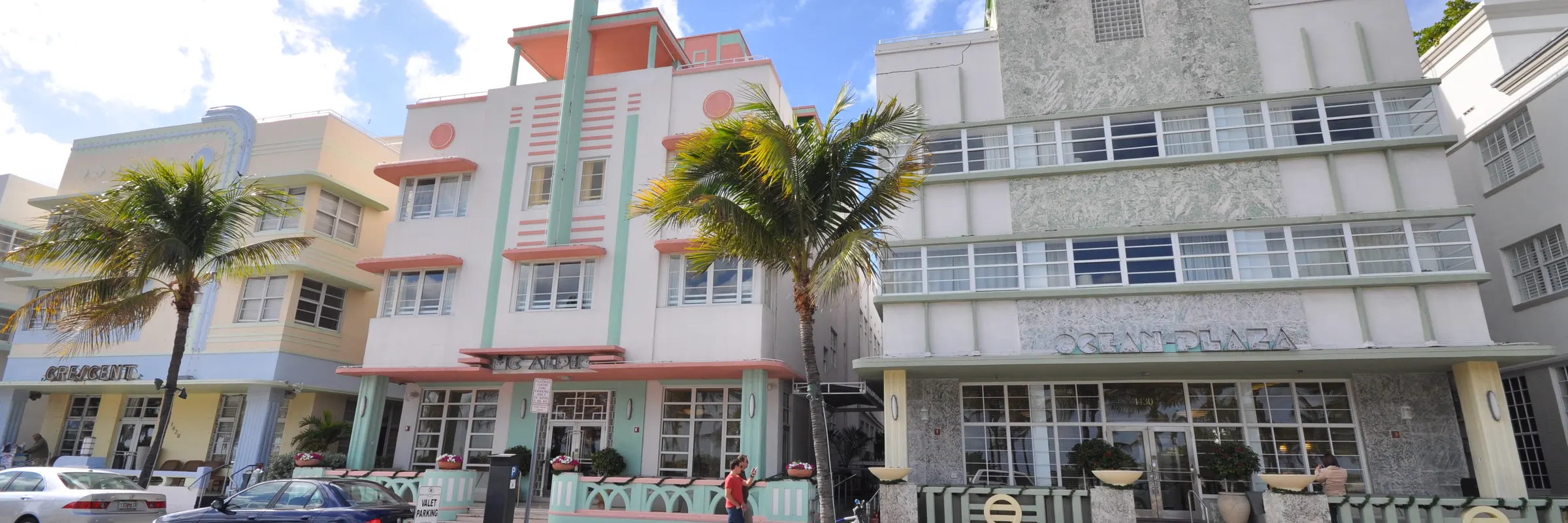
Miami: the art deco hotels of Ocean Drive
Photo: Jorge Láscar from Australia · CC BY 2.0
Florida, United States

Miami: how many days you need and the best months to go

More than two thirds of Miami-Dade County speaks Spanish at home, which makes this the least anglophone large city in the country and explains most of what visitors find surprising about it. The other defining fact is geographic: the beach and the city are separated by a bay and are separate municipalities, so what everyone calls Miami is at least two places. Three days covers both. A fourth is the Everglades or the Keys, and both are worth the drive.

Short answers

What people ask before booking

How many days do you need in Miami?

Miami needs three days — one for the beach and the art deco district, one for Little Havana and the mainland, one actually spent on sand — and a fourth for the Everglades or the Keys.

What is the best month to visit Miami?

December, January, February and March — Dry season, and the reason the city has a high season. April and November — The edges of the dry season, and better value.

Which months are worth avoiding in Miami?

June and July — Hot, humid, and a storm most afternoons. August and September — The peak of hurricane season.

How many days Miami needs

Three days is the working figure: one for the beach and the art deco district, one for the mainland — Little Havana, the design district, the museums — and one that is genuinely spent on a beach rather than looking at one.

The fourth day leaves the city. The Everglades are forty minutes west and the Keys begin an hour south, and they are the two things within reach that look like nowhere else in the country. Beyond four days you are on holiday rather than visiting, which is a perfectly good thing to be here.

Miami and Miami Beach are two cities

This confuses more visitors than anything else. Miami Beach is a separate municipality on a barrier island, connected to the mainland by causeways, with its own government and its own character. South Beach, the art deco district and the hotels are there. The city of Miami — downtown, Little Havana, the arts districts, the airport — is across the water.

The practical consequence is that a trip built entirely on the beach misses the half of the city that makes it interesting, and a trip built entirely on the mainland misses the reason most people came. Cross at least twice.

  • South Beach — the art deco hotels, Ocean Drive, the sand and the nightlife. The postcard, and the most expensive and least representative part.
  • Mid-Beach and North Beach — quieter stretches of the same island, with the big hotels and much less noise. Better value and a bus ride from the action.
  • Little Havana — the Cuban heart on the mainland: the cigar rollers, the domino park, the coffee windows and Calle Ocho. The most alive part of the city by daylight.
  • Wynwood and the Design District — warehouses covered in murals, galleries and restaurants north of downtown. Best in the late afternoon.
  • Coconut Grove and Coral Gables — leafy, older and residential, with the Mediterranean-revival architecture and the best restaurants that are not aimed at visitors.

The art deco district, and why it exists

South Beach holds the largest concentration of 1920s and 1930s architecture anywhere in the world — around eight hundred protected buildings in a square mile. It survives because of one woman: Barbara Baer Capitman, who founded a preservation league in 1976 when the buildings were derelict and scheduled for demolition, and got the district onto the National Register in 1979. It was the first twentieth-century district in the country to be listed.

What you are looking at is a specific local variant. Miami's deco borrows from ocean liners — porthole windows, curved corners, racing stripes, chrome — and the pastel colours everyone photographs are mostly a 1980s repaint rather than original. Walk it early in the morning, when the light is on the facades and Ocean Drive is empty.

The Cuban city, and how it got here

Miami's Cuban population arrived in waves: after the 1959 revolution, in the 1980 Mariel boatlift, and steadily since. The result is a city where the exile community shaped the politics, the food and the street life, and where Little Havana is not a themed district but the place several generations actually settled.

Calle Ocho is the axis. There is a park where men have played dominoes daily since the seventies, storefront windows selling coffee to the pavement, cigar rollers working by hand, and a memorial to the Bay of Pigs. It is busiest and best on the last Friday of the month, when the galleries and the street open late, and during the street festival in March.

  • Order coffee at a walk-up window — a *ventanita* — rather than sitting down. It is the social institution, not the café.
  • The domino park requires registration and is over-55s only, which is why it is full of people who have been playing together for decades.
  • Go on the last Friday of the month if the dates work; the street closes and the whole strip stays open.
  • Spanish is the default here. English is understood and it is not the first language on the street.

Getting around, and the thing nobody warns you about

Miami is a driving city and the distances are larger than they look. Between the beach and the mainland there is a bay and a causeway; between downtown and the design district there is a highway. Public transport exists — a free downtown loop, a metro line, buses along the beach — and it does not cover most of what visitors want.

The two costs that surprise people are parking, which is expensive and enforced hard on the beach, and the traffic, which is genuinely bad at rush hour on the causeways. Ride-hailing is usually cheaper than a rental car once you add parking, unless you are doing the Everglades or the Keys.

  • Do not rent a car for a beach-only trip. Parking will cost more than the rides you would have taken.
  • Do rent one for the Everglades or the Keys. There is no practical way to do either without.
  • The causeways back up badly at rush hour. Allow real time for the airport, which is on the mainland.
  • Beach parking enforcement is aggressive, and the tickets find you. Read the signs, they change by block.

Hurricane season, and what it actually means

The Atlantic hurricane season runs from the start of June to the end of November and peaks between mid-August and mid-October. This is a defined season rather than a forecast, and it shapes prices as much as risk: the cheapest hotel rates of the year fall in exactly this window.

The practical reality is that most of the season passes without a storm reaching the city, and that when one does, there is several days of warning. What it means for planning is insurance and flexibility rather than avoidance: take a policy that covers a named storm, and do not build a trip that cannot absorb a two-day change.

What to eat in Miami, and where

Miami eats Cuban first and Caribbean second, and both are cheaper and better than the beachfront suggests. The rule here is to get off Ocean Drive — the restaurants with menu-wavers outside are the worst food in the city, and the best is at a counter on the mainland.

  • Cuban sandwich

    What to order

    The sandwich the city argues about

    Ham, roast pork, Swiss cheese, pickles and mustard on Cuban bread, pressed flat until the crust cracks. It was workers' food in the cigar factories of Tampa and Key West before it was Miami's, and the two cities still argue about whose is correct — Tampa adds salami, Miami does not. No mayonnaise, no lettuce, no debate.

    Check it on Wikidata
  • Café cubano

    What to order

    The coffee, and how it is ordered

    An espresso shot whipped with sugar as it brews, producing a pale foam on top. It is sold from a window onto the street and it is a social act rather than a drink — order a *colada*, which comes as a cup and a stack of thimbles, and you are expected to share it with whoever is standing there.

    Check it on Wikidata
  • Ropa vieja

    What to order

    The Cuban plate to order first

    Shredded beef stewed with peppers, onions and tomato, served with rice, black beans and fried plantain. The name means old clothes, for what the shredded meat looks like, and there is a folk story about a man who boiled his clothes to feed his family. It is the safest and best introduction to a Cuban menu.

    Check it on Wikidata
  • Florida stone crab

    What to order

    The seasonal thing, and why it has a season

    A local crab whose claws are harvested and whose body is returned to the water alive, so it can regrow them. The fishery is closed for part of the year by law, which is why they appear on menus in the cool months and vanish in summer. Served cold with mustard sauce, cracked at the table.

    Check it on Wikidata
  • Key lime pie

    What to order

    The state dessert, and the colour test

    A custard of lime juice, condensed milk and egg yolk in a crumb crust. It is pale yellow, not green — the limes are yellow when ripe, and a green slice has food colouring in it. The condensed milk is not a shortcut: the Keys had no dairy and no refrigeration when the recipe was written.

    Check it on Wikidata
  • Little Havana

    Where to look

    Where to eat all of the above

    The Cuban neighbourhood on the mainland, along Calle Ocho. Coffee windows, cigar rollers, a domino park and the restaurants that the exile community actually eats in — cheaper, better and considerably more interesting than anything on the beachfront. Go by day; it is not a nightlife district.

    Check it on Wikidata

When to go, and what each month costs you

Miami is subtropical: the year splits into a warm dry season and a hot wet one, and the wet one overlaps almost exactly with hurricane season. The dry months are the best weather and the highest prices in the country's winter, which is the whole economics of the place.

  • December, January, February and March

    Go now

    Dry season, and the reason the city has a high season

    Warm days, low humidity, cool evenings and almost no rain — the weather the entire tourism industry is built on. It is also the most expensive and most crowded stretch of the year, and around the New Year and the spring break weeks it is extreme. Book far ahead.

  • April and November

    Go now

    The edges of the dry season, and better value

    Nearly the same weather with noticeably fewer people and lower rates. November has the season's first cool nights; April is warm and still dry. The best value on the calendar, and the answer for most trips.

  • May

    Worth it, but

    Warming, humid, and the rain starting

    The humidity arrives and the afternoon storms begin towards the end of the month. Prices fall away from the winter peak. Still comfortable in the morning and by the water; the middle of the day gets heavy.

  • October

    Worth it, but

    Coming out of the wet season, and still storm season

    The rain eases through the month and the humidity drops. Hurricane season is technically still open and the peak has passed. Prices are low and the sea is at its warmest of the year.

  • June and July

    Think twice

    Hot, humid, and a storm most afternoons

    High heat and higher humidity, with a heavy thunderstorm most afternoons that clears within an hour. Hurricane season has opened but the peak is later. Cheap, and the outdoors becomes a morning-only proposition.

  • August and September

    Think twice

    The peak of hurricane season

    The hottest, wettest and least predictable stretch, and the two months when Atlantic storms are most likely to matter. The city runs normally and the hotel rates are the lowest of the year. Take insurance that covers a named storm and keep the itinerary flexible.

Things that change the trip

  • Cross the causeway at least twice. Miami Beach and Miami are separate cities and a trip to one of them is half a trip.
  • Eat in Little Havana rather than on Ocean Drive. The restaurants with someone outside waving a menu are the worst food in the city.
  • Do not rent a car for a beach trip. Parking costs more than the rides; do rent one for the Everglades or the Keys.
  • Walk the art deco district early in the morning. The light is on the facades and Ocean Drive is empty.
  • Take insurance covering a named storm if you travel between June and November. The season is defined, and so is the price advantage.
  • Order coffee at a window, not a table. The *ventanita* is the institution, and a *colada* is meant to be shared.

Plan Miami and what lies south of it

A trip beyond four days, or one that adds the Everglades, the Keys or a drive up the coast with the distances between them, is exactly what Premium is for. The free version covers one destination of up to three days.

Destinations