Skip to content
JoruJoru
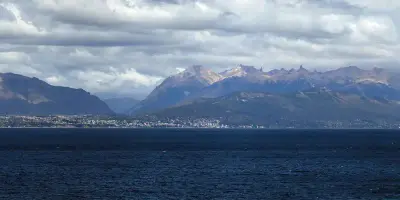
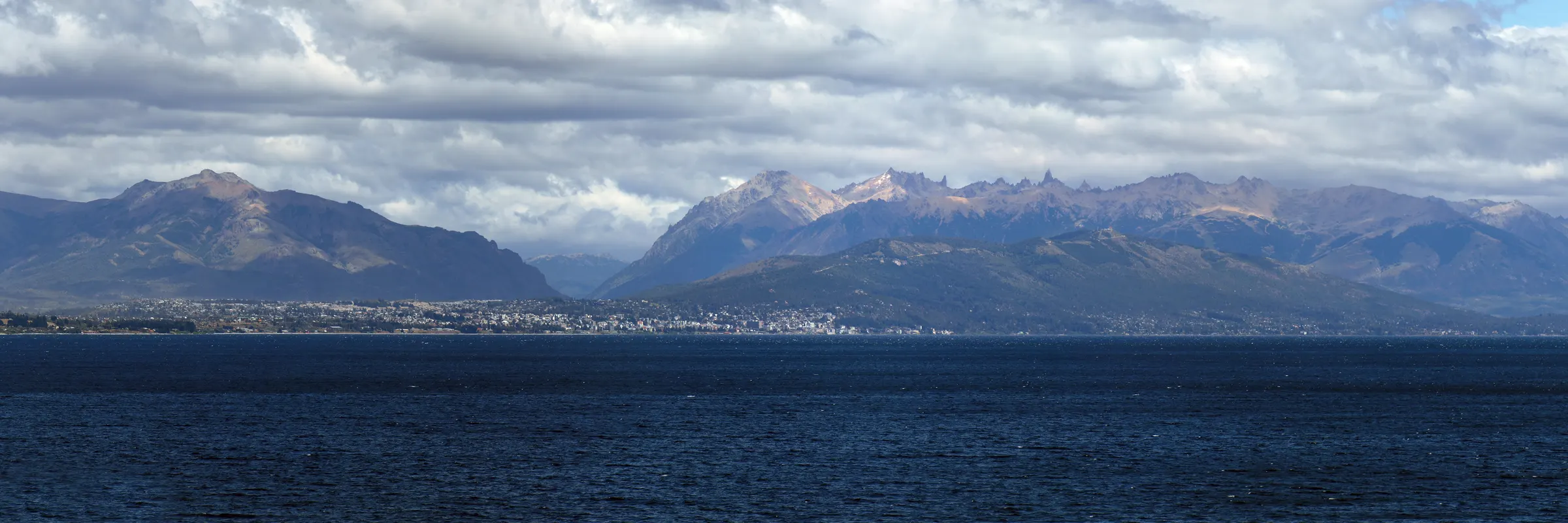
Bariloche: the town on the far shore of Lake Nahuel Huapi
Photo: Elemaki · CC BY 3.0
Río Negro, Argentina

Bariloche: how many days you need and the best months to go

San Carlos de Bariloche sits on the southern shore of Lake Nahuel Huapi, at the point where the Patagonian steppe runs into the Andes and turns green. The park came before the town: this is the oldest national park in Argentina, and the reason the place looks the way it does. Three days covers the town and the short loop of lakes beside it. Five lets you drive north through the mountains, walk to a refuge, or wait out a day of bad weather without losing the trip.

Short answers

What people ask before booking

How many days do you need in Bariloche?

Bariloche needs three days for the town and the short lake loop, and five to add the Seven Lakes road, a mountain walk and a spare day for the weather, which turns fast here.

What is the best month to visit Bariloche?

December, January and February — Southern summer: long days, warm water, everything open. March and April — Autumn: the colour, and the crowds gone.

Which months are worth avoiding in Bariloche?

May and June — Cold and grey, with no snow and no leaves. September — The thaw, and everything half-shut.

How many days Bariloche needs

Three days is the minimum that works: one for the Circuito Chico and the viewpoints on the lake, one for a walk or a boat, and one for the town, the chocolate and a slower afternoon.

Five is the number that makes the trip. The extra two days buy the Seven Lakes road north, a full day at Tronador and its glacier, or a walk up to a mountain refuge — and they buy insurance, because the weather here changes fast and a lost day is normal rather than bad luck.

The lake, and the park that came before the town

Nahuel Huapi is a glacial lake with long arms reaching into the mountains, deep enough in places to be measured in hundreds of metres, and cold all year. The land around it became a national park because the explorer Francisco Moreno donated the first parcel to the state in 1903 on the condition that it stay public; it is the oldest national park in Argentina, and the town grew inside the frame the park had already set.

That order of events explains what you see. The forest is Andean-Patagonian — coihue, lenga, ñire — rather than planted alpine pine, the shoreline is largely undeveloped, and the buildings that matter are made of local stone and timber. Everything worth doing here is within an hour of the water.

Getting out of town: the loop, the chairlift and the long road

Bariloche itself is small and the point of it is what surrounds it. The single best half-day is the Circuito Chico, a road loop of about sixty kilometres west of town around a peninsula, with viewpoints, small beaches, the forest and the grand old hotel at Llao Llao along the way.

Above the loop, a short chairlift climbs Cerro Campanario to a platform with the lakes on every side — the cheapest big view in the region and the one most people remember. Further out, the road north to San Martín de los Andes is a full day rather than a drive.

  • Circuito Chico — the sixty-kilometre loop west of town. A half day by car, a long day by bike, and the thing to do first.
  • Cerro Campanario — a short chairlift to a 360-degree view over the lakes and peninsulas. Go on a clear morning, not a hazy afternoon.
  • The Seven Lakes road — about 110 kilometres north through the mountains to San Martín de los Andes, paved the whole way. A full day, and worth it.
  • Cerro Tronador — an extinct volcano on the Chilean border with a glacier below it. A long day on a gravel road with restricted traffic hours.
  • Refugio Frey — the classic day walk from the ski area to a mountain hut beside a small lake. A serious walk, not a stroll.

The town, the chocolate and why it looks Swiss

The alpine look is not an accident and it is not entirely a costume. Central European immigration shaped the town, and then the state made it official: the Civic Center, finished around 1940 in Andean-Patagonian style — local stone, timber and slate — is a national historic monument, and it set the pattern every later building copied.

The chocolate came with the same people and became an industry. The main street is lined with chocolate shops, several of them family businesses that have been making it here for generations, and the good ones sell by weight from a counter rather than in a gift box. It is genuinely a local craft rather than a souvenir invented for visitors — though the souvenir version exists too, and it is on the same street.

Winter, the ski mountain and the crowd nobody warns you about

Cerro Catedral, twenty minutes from town, is the largest ski area in South America and the reason Bariloche has a winter economy at all. The season runs roughly from the middle of June to early October and depends entirely on the snow, which varies a great deal from year to year.

What visitors are not told is who else comes. July is the Argentine school winter holiday, and Bariloche is the traditional destination for organised end-of-school graduation trips: thousands of teenagers arrive in groups, and the town's hotels, buses and nightlife reorganise around them. It is a specific atmosphere. If it is what you came for it is excellent, and if it is not, avoid July and the spring months when the trips continue.

Wind, ash and mountain weather

The prevailing westerlies come off the Pacific, cross the Andes and hit this lake with nothing in the way. Wind is the constant here, strongest in spring, and it is the variable that ruins boat crossings, closes chairlifts and turns a warm afternoon cold in twenty minutes.

The other thing worth knowing is geological. Bariloche sits downwind of active volcanoes on the Chilean side, and eruptions have dropped ash on the town and closed the airport for extended periods — most recently in 2011. It is rare, it is not predictable, and it is the one risk here that travel insurance is genuinely for.

  • Do the outdoor thing on the clear day, not the planned day. Weather here changes within hours and the forecast is a rough guide.
  • Carry a windproof layer in every season, including January. The lake is cold, the wind comes off it and shade is ten degrees colder than sun.
  • Book the boat trips flexibly. Crossings to Isla Victoria and the arrayán forest are cancelled by wind more often than by rain.
  • Renting a car changes the trip. Buses reach the Circuito Chico and the ski area; Tronador and the northern road effectively need a car.

What to eat in Bariloche, and where

Bariloche eats like a mountain town with a Central European grandmother and a Patagonian butcher. The three things that are genuinely of this place are the chocolate, the trout and the lamb, and the fourth is a Chilean earth oven that arrived with settlers and stayed.

  • Chocolate

    What to order

    The chocolate, and why it is here

    A local industry rather than a souvenir, brought by Central European immigrants and made in the town for generations. The main street has dozens of shops and the serious ones sell by weight from a counter, which is how to tell them from the gift-box operations. Buy a hundred grams of something dark and judge it before buying more.

    Check it on Wikidata
  • Trucha arcoíris

    What to order

    The trout, and the season

    Rainbow trout, introduced to these lakes and rivers around the turn of the twentieth century and now the fish the region is known for. It is the same species that was introduced to Rotorua in New Zealand in the same era, and for the same reason. Fishing is licensed and regulated by season; on a plate, smoked is the local default.

    Check it on Wikidata
  • Asado

    What to order

    The lamb, and how it is cooked

    Patagonian lamb, cooked slowly over embers, splayed on an iron cross beside the fire rather than on a grill. This is the regional version of Argentine asado and the cut and the method are the point — hours, not minutes. It is a long lunch and it is the single most Patagonian meal available here.

    Check it on Wikidata
  • Curanto

    What to order

    The earth oven at Colonia Suiza

    Meat, shellfish, potato and vegetables cooked in a pit on red-hot stones under leaves and earth, brought here by settlers from Chiloé in southern Chile. It is the same principle as the hāngī in Rotorua, on the other side of the Pacific. It is served in the small settlement of Colonia Suiza on the Circuito Chico on set days, and it is worth planning the loop around.

    Check it on Wikidata
  • Cerveza artesanal

    What to order

    The beer, and why the town is full of it

    Argentine craft brewing largely started in this part of Patagonia, and Bariloche has one of the highest concentrations of small breweries in the country. The local style leans dark and malty rather than hoppy, which suits the climate. Most brewhouses serve food, and they are the reliable evening option out of season.

    Check it on Wikidata

When to go, and what each month costs you

Bariloche has two proper seasons and two awkward gaps between them. Summer is for the lakes and the walking, winter is for the snow, and the shoulders are either beautiful or pointless depending on which side of them you land. The Southern Hemisphere calendar catches out most first-time visitors.

  • December, January and February

    Go now

    Southern summer: long days, warm water, everything open

    Light until nearly ten in the evening, every trail open, the boats running and the lake just about swimmable. This is peak season and the town is full, with prices to match and accommodation booked well ahead. It is also the only window in which the high walks are reliably clear of snow.

  • March and April

    Go now

    Autumn: the colour, and the crowds gone

    The best weeks of the year for most people. The summer crowd leaves after the first week of March, the wind drops, and in April the lenga and ñire forests turn red and orange across whole hillsides. Days are shorter and the light is better, and the trails are still open.

  • July and August

    Worth it, but

    Ski season at its peak, and the town at its fullest

    The most reliable snow of the year on Cerro Catedral, and the busiest and most expensive weeks in Bariloche. July is the Argentine school holiday and the height of the graduation-trip season, so the town is loud and young. Excellent if you are skiing; heavy going if you are not.

  • November

    Worth it, but

    Spring in full, and the wind at its worst

    Green, long-lit and cheaper than summer, with the lower trails open and the waterfalls at full volume from the melt. The wind is at its strongest in these weeks and it can flatten an afternoon. Graduation groups are still arriving.

  • October

    Worth it, but

    The season changing, with both halves half-open

    The ski area closes during the month and the summer operators have not fully started, so some boats and refuges are shut. Prices are low and the forest is waking up. A reasonable gamble if you want the town quiet.

  • May and June

    Think twice

    Cold and grey, with no snow and no leaves

    The wettest stretch of the year in the mountains, too warm for reliable snow until late June and too cold and dark for the lakes. Many excursions stop running. There is nothing this window does better than any other, which is the honest reason to skip it.

  • September

    Think twice

    The thaw, and everything half-shut

    Snow going soft on the mountain, mud on the trails below it and lifts closing as the season ends. The graduation trips are in full swing while the skiing is unreliable — the worst combination on the calendar.

Things that change the trip

  • Come in March or April if you can choose. The autumn colour is genuine, the wind drops and the summer crowd has gone home.
  • Rent a car for at least one day. The Circuito Chico works by bus; Tronador and the Seven Lakes road do not.
  • Go up Campanario on a clear morning. It is a short chairlift and the view is the one people remember; haze ruins it by afternoon.
  • Check what is running before October or in May. Between seasons, boats, refuges and lifts close without a fixed calendar.
  • Buy chocolate by weight from a counter, not in a printed box. The difference between the two is the whole reputation of the street.
  • Pack a windproof layer whatever the month. The wind off the lake is the one weather feature that is there all year.

Plan Bariloche and the lakes around it

A trip beyond five days, or one that links Bariloche with the Seven Lakes road, El Bolsón, the Chilean side or a longer Patagonian route, is exactly what Premium is for. The free version covers one destination of up to three days.

Destinations