
Skip to content
JoruJoru
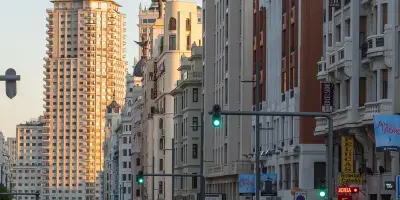
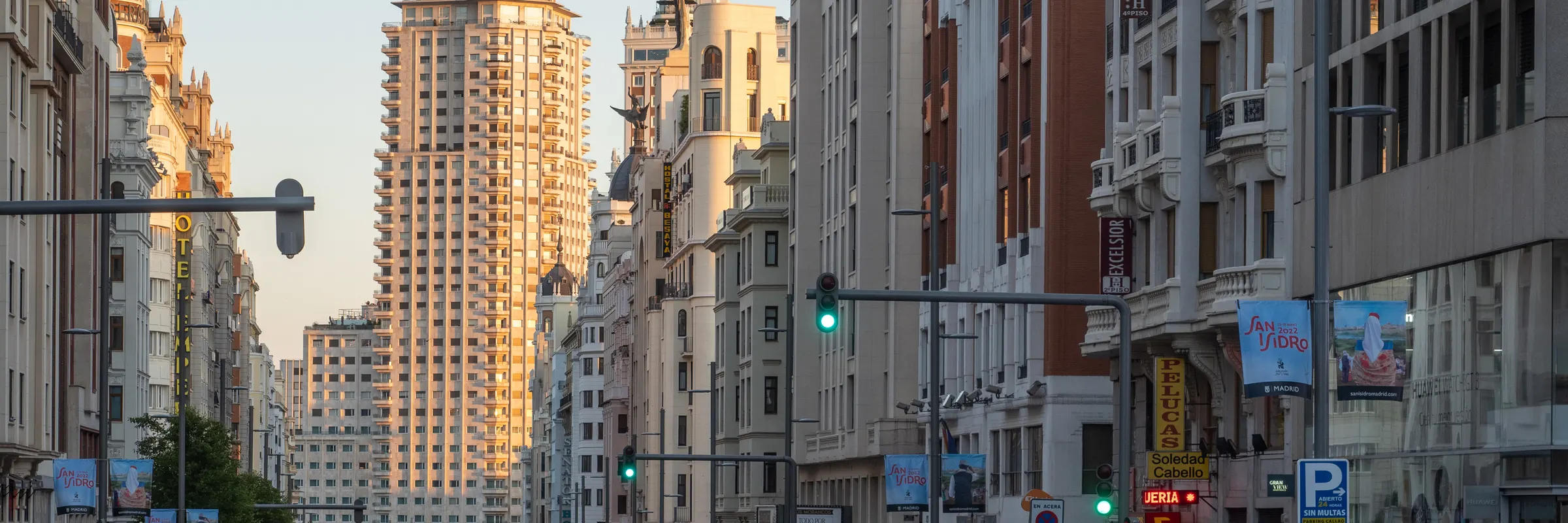
Madrid: the Gran Via
Photo: ajay_suresh · CC BY 2.0
Community of Madrid, Spain

Madrid: how many days you need and the best months to go

Madrid's difficulty is not the map, which is flat and compact, but the clock. Lunch is at half past two, dinner starts at nine and the city is properly awake at midnight, and a visitor on northern European hours ends up eating badly in empty rooms. Shift the day by three hours and the city works — and the three great museums, which sit within ten minutes of each other, all open their doors for nothing in the last part of the afternoon.

Short answers

What people ask before booking

How many days do you need in Madrid?

Madrid needs three days: one for the museum triangle, one for the old centre and the markets, and one for a neighbourhood. A fourth adds Toledo or Segovia, both under an hour by train.

What is the best month to visit Madrid?

May and June — Warm, long evenings and the terraces out. September and October — The heat breaks and the city comes back.

Which months are worth avoiding in Madrid?

July and August — Punishing heat, and the city closes. January and February — Cold, grey and the shortest days.

How many days Madrid needs

Three days covers the city: one for the museum triangle, one for the old centre and the markets, and one for a neighbourhood and a park. Madrid is compact and flat, and almost everything a first visit wants is inside a walkable rectangle.

A fourth day is for Toledo or Segovia, both under an hour by high-speed train, and both worth the whole day rather than an afternoon. Madrid is also the easiest base in Spain, because the fast rail network radiates from here and reaches most of the country in under three hours.

How the city is arranged

The useful mental map is a rectangle. The old centre sits to the west, the museums to the east, and the Retiro park behind them; everything else radiates north and south from that. The distances are small — the walk from the royal palace to the Prado is about half an hour and takes you past most of what you came for.

  • Sol, Ópera and Austrias — the old centre, the royal palace, the Plaza Mayor and the oldest streets. Busy, central, and where the tourist prices concentrate.
  • The museum triangle — the Prado, the Reina Sofía and the Thyssen, in a line along the Paseo del Prado. All three have free hours and they are the reason to come.
  • La Latina and Lavapiés — the old tavern quarter and the most mixed neighbourhood in the city, with the Sunday flea market between them.
  • Malasaña and Chueca — the young and the gay quarters respectively, north of the centre, with the independent shops, the record stores and the best drinking.
  • Salamanca and Retiro — the wealthy grid east of the park, with the expensive shopping and the calmest streets in central Madrid.

Where to stay, and the noise question

Madrid is small enough that anywhere inside the central rectangle works on foot, so the choice is about atmosphere and about noise. This is a loud city at night and that is not a complaint, it is a fact about where you book. A room over a street in La Latina on a Friday is a decision, not an accident.

The other consideration is that the very centre — the blocks around Sol — is the one part of Madrid that is genuinely aimed at visitors. Two streets in any direction and both the prices and the crowd change.

AreaWho it suitsThe catch
Sol and ÓperaA first visit. Everything walkable, the metro under you, the palace and the plaza nearby.The most touristed blocks in the city, and loud on the streets themselves.
Paseo del Prado and RetiroThe museums on the doorstep and the park behind. The calmest central option.Grand and slightly formal; the eating and drinking is elsewhere.
La LatinaTapas, the Sunday market and the best old taverns in Madrid.Genuinely loud until very late at weekends. That is the whole point of the area.
Malasaña and ChuecaIndependent shops, bars and a young crowd, ten minutes above the centre.Also loud, and the hotel stock is small and books early.
SalamancaQuiet streets, larger rooms and good value in the residential blocks.A twenty-minute walk from the old centre, and the neighbourhood itself is reserved.

The clock, which is the real thing to plan around

Spain runs on Central European Time despite sitting on the same meridian as Britain, and the effect is a day shifted an hour later than the sun. Add the Spanish habit on top and the practical result is that everything happens later than a visitor expects.

Lunch is the main meal and it runs from about two until four. Kitchens then close entirely, and a restaurant that looks shut at six is shut. Dinner service starts around half past eight and fills after nine. Trying to eat at seven means eating in a place that exists for people who do not know this.

  • Lunch is where the value is. The set *menú del día* on weekdays is a fraction of the same kitchen's evening prices.
  • Shops still close in the afternoon outside the big chains, roughly between two and five.
  • The metro runs until well after one in the morning and later at weekends, which makes late nights straightforward.
  • Sunday is quiet and the flea market is loud. El Rastro fills La Latina every Sunday morning and the neighbourhood eats afterwards.

The museums, and the hours that cost nothing

Three world-class collections sit within a ten-minute walk of each other, which is unusual anywhere. All three offer free entry in the last hours of the afternoon or evening, on a schedule each publishes and which is worth checking against your days — the queues in those windows are real but they move.

The Prado is old masters and is enormous; the Reina Sofía holds twentieth-century Spanish art including *Guernica*; the Thyssen fills the gaps between them with a private collection that runs from the medieval to the modern. Doing all three properly in one day is a mistake most people make once.

  • Pick two museums, not three, for a single day. The Prado alone deserves three hours and rewards more.
  • Guernica is at the Reina Sofía, not the Prado, and it is the reason most people go there.
  • The Retiro park is behind the Prado and is the right place to go afterwards. The glass palace inside it is free.
  • The royal palace is bigger than Buckingham Palace and is a separate half-day; buy the ticket ahead in summer.

How eating and drinking works here

The word *tapa* means different things in different Spanish cities, and Madrid is not the place where they come free with a drink — that is further south, and in a handful of Madrid bars as a survival of the habit. Here you order them and you pay for them, and the format is a crawl: one thing in each of four bars rather than a sitting.

The other habit worth adopting is the *vermut*, the pre-lunch vermouth on a Saturday or Sunday. It is a fixed social ritual, it happens around midday, and it is the most pleasant hour of the Madrid week.

  • Standing at the bar is normal and often cheaper than sitting at a table for the same thing.
  • Order one dish per bar and move. Four bars in an evening is the format, not four courses in one.
  • Tipping is small and optional — rounding up, or a euro or two. No percentage is expected.
  • Madrid is landlocked and eats superb seafood anyway, because the fish market here is one of the largest in the world by volume and everything arrives overnight.

Where to eat in Madrid, and what to order

Madrid's own cooking is heavy, cheap and built for winter, and the city's other food is everything Spain sends to its capital. The rule is the same as everywhere: one street off the main square. What follows is what belongs to this city rather than to Spain generally.

  • Cocido madrileño

    What to order

    The city's own dish, and how it is served

    A chickpea stew with meat, sausage and vegetables that arrives in three separate courses from the same pot: the broth as soup, then the chickpeas and vegetables, then the meat. Ordering it is committing to a two-hour lunch and it is a winter dish. It is the most Madrid thing you can eat.

    Check it on Wikidata
  • Bocadillo de calamares

    What to order

    The strange local sandwich, and where to eat it

    Fried squid rings in a plain bread roll, with nothing else on it. Madrid is four hundred kilometres from the sea and this is its signature street food, which tells you something about the fish market. The bars around the Plaza Mayor sell it; go to the ones on the side streets rather than on the square.

    Check it on Wikidata
  • Chocolatería San Ginés

    Institution

    The thing to eat at four in the morning, or for breakfast

    Fried dough with thick drinking chocolate, at a place that has been open since 1894 and stays open around the clock. It is both a breakfast and the traditional end of a night out, which is why the queue is a mix of families and people still in last night's clothes. Dip, do not stir.

    Check it on Wikidata
  • Sobrino de Botín

    Institution

    The tourist institution that is actually worth it

    A restaurant open since 1725 and recognised as the oldest continuously operating restaurant in the world. It is full of visitors and the roast suckling pig is genuinely excellent, cooked in the original wood oven. Book, expect a tourist room, and order the thing it has been making for three centuries.

    Check it on Wikidata
  • Vermut

    What to order

    The Saturday ritual before lunch

    Sweet red vermouth on ice with an olive, drunk standing up before lunch at the weekend. It is a social hour rather than a drink — around midday, in an old bar, with something small to eat. The good places serve it from the barrel rather than the bottle.

    Check it on Wikidata
  • Mercado de San Miguel

    Market

    The market to walk through, not to eat in

    A restored iron-and-glass market hall by the Plaza Mayor, now entirely food stalls. It is beautiful, it is very busy and it is expensive for what it is. Go for the building and the atmosphere, have one thing, and eat properly in the neighbourhood markets — San Fernando or Antón Martín — where the city actually shops.

    Check it on Wikidata

When to go, and what each month costs you

Madrid sits on a high plateau at around 650 metres, and the climate is more extreme than most people expect from Spain: genuinely cold in winter and genuinely brutal in high summer, with very little rain either way. The old saying gives it nine months of winter and three of hell, which is an exaggeration in one direction only.

  • May and June

    Go now

    Warm, long evenings and the terraces out

    The best stretch of the year: warm without the summer's violence, light until late, and every square in the city eating outdoors. Prices are below the summer peak and the museums are manageable on a weekday.

  • September and October

    Go now

    The heat breaks and the city comes back

    Madrid reopens after August, the cultural season restarts, and the weather is warm and dry without being punishing. October brings the clearest light of the year over the sierra. If you can pick one month, September.

  • April and November

    Worth it, but

    Mild, cheaper and the only months with real rain

    Comfortable shoulder months with the lowest crowds of the good half of the year. These are also the wettest weeks Madrid gets, which is not saying much. Easter moves between March and April and fills the centre for a week when it lands.

  • March

    Worth it, but

    Cold mornings, warm afternoons, low prices

    Still cold at either end of the day and pleasant in the middle, with the terraces starting to reopen. Good value and few visitors, and everything indoors is unaffected.

  • December

    Worth it, but

    Cold, decorated and busy in a specific way

    Cold, dry and bright, with the Christmas lights and the market on the Plaza Mayor. Domestic travel peaks around the holidays and prices go with it. Madrid does not really do Christmas until December, and then it does very little else.

  • July and August

    Think twice

    Punishing heat, and the city closes

    The heat here is dry and severe, and the middle of the day is genuinely not walkable in August. A large share of the city's own restaurants and bars close for the month while their owners leave, so what stays open is what serves visitors. The museums are cool and everything else is not.

  • January and February

    Think twice

    Cold, grey and the shortest days

    The coldest weeks of the year on an exposed plateau, with occasional snow and a wind off the sierra. The prices are the lowest of the year and the museums, taverns and theatres all work normally. Fine for an indoor trip; wrong for a walking one.

Things that change the trip

  • Shift your day three hours later. Lunch at half past two, dinner at nine. Eating on northern European hours puts you in the rooms that exist for people who did not adjust.
  • Check the free hours at the Prado, the Reina Sofía and the Thyssen against your dates. All three publish them and all three are worth planning around.
  • Do not book August if you can avoid it. The heat is severe and a large part of the city closes for its own holidays.
  • Eat the weekday set lunch. It is the same kitchen at a fraction of the evening price and it is what everyone around you is doing.
  • Two bars, one dish each, then move. A tapas evening is a crawl, not a meal in one place.
  • Toledo and Segovia are both under an hour by fast train and both deserve a whole day. Book the train ahead; the cheap fares go first.

Plan Madrid on Madrid time

A trip of more than three days, or one that adds Toledo, Seville or Barcelona and the trains between them, is what Premium is for. The free version covers one destination of up to three days.

Destinations