


Skip to content
JoruJoru
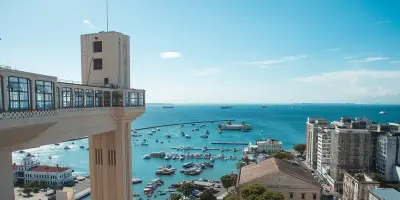
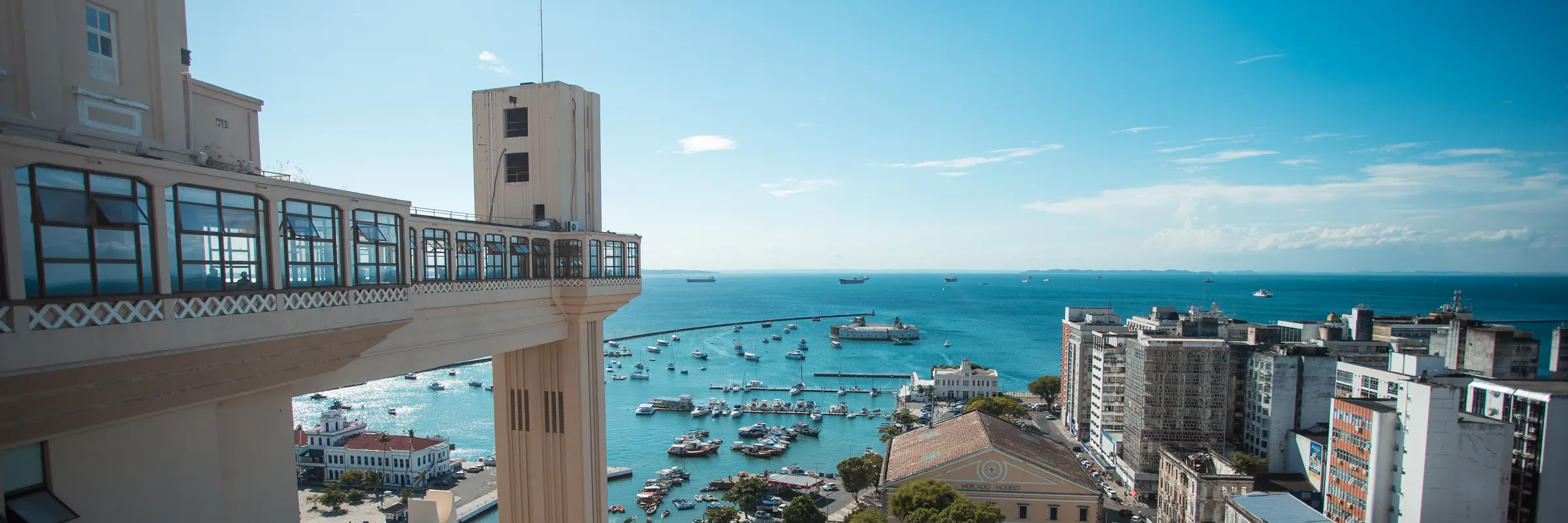
Salvador de Bahia: the Lacerda lift and the Bay of All Saints
Photo: MTur Destinos · Public domain
Bahia, Brazil

Salvador de Bahia: how many days you need and the best months to go

Salvador was founded in 1549 and was the capital of Brazil for over two centuries, and it was the main port of the Atlantic slave trade in the Americas — more enslaved Africans were landed in Brazil than anywhere else on earth, and most of them came through here. That history is not a museum subject in Salvador: it is the food, the music, the religion and the language of the city today. Three days covers the historic centre, the coast and one thing outside. Four gives the city the time its evenings deserve.

Short answers

What people ask before booking

How many days do you need in Salvador de Bahia?

Salvador needs three days for the Pelourinho, the bay and the beaches, and a fourth for the evenings, which are the part people underestimate. Avoid April to July: that is the rainy season here.

What is the best month to visit Salvador de Bahia?

December and January — Hot, dry and the city at full volume. February and March — Still dry, and carnival somewhere inside it.

Which months are worth avoiding in Salvador de Bahia?

April and May — The wet season, and it is genuinely wet. June and July — Still raining, and the coolest weeks.

How many days Salvador needs

Three days is the working figure. One for the Pelourinho and the upper city, one for the bay — the fort, the lift, the market and a boat — and one for the beaches north of the centre or the Bonfim church.

A fourth day is for the evening rather than the daytime, which is the part of Salvador people underestimate. There is live music somewhere every night of the week, and a Tuesday in the Pelourinho is a better use of a night than most Saturdays elsewhere in Brazil. If you have five days, Praia do Forte and the whale coast are two hours north.

The city on two levels

Salvador is built on an escarpment, with the *cidade alta* on the ridge and the *cidade baixa* on the harbour, seventy metres below. The two are connected by the Elevador Lacerda, a public lift that opened in 1873 and was the first urban lift in the world; it costs a few coins, takes about half a minute and is still a working piece of the transport system rather than an attraction.

The upper city is the historic one — the churches, the Pelourinho, the government buildings. The lower city is the port, the Mercado Modelo and the ferries. Nearly everything a visitor wants is up top, and the lift is how you get between them without walking a steep and not always advisable slope.

The Pelourinho, and what the name means

The historic centre is a dense grid of seventeenth- and eighteenth-century colonial buildings painted in blues, ochres and pinks, and it is a UNESCO World Heritage site. It is also called the Pelourinho, and the word means whipping post: it is the place where enslaved people were publicly punished. The name is not decorative and the city does not treat it as such.

What is there now includes the Igreja de São Francisco, whose interior is covered almost entirely in gold leaf and is one of the most extravagant baroque interiors anywhere, and the Fundação Casa de Jorge Amado, dedicated to the novelist who did more than anyone to make Bahia legible to the rest of Brazil. Go during the day and take the standard precautions after dark: the centre is policed and busy in the evening, and the streets immediately outside it are not.

  • Igreja de São Francisco — the gold-leaf interior, and the one building here that is worth an entrance fee on its own.
  • Largo do Pelourinho — the sloping cobbled square that is the image of the city, and where the drumming groups rehearse.
  • Elevador Lacerda — the 1873 lift between the two cities. The cheapest good view in Salvador.
  • Mercado Modelo — the old customs house on the harbour, now crafts and stalls, with the tourist pricing that implies.
  • Igreja do Bonfim — the church whose railings are tied with thousands of coloured ribbons, and the most important devotional site in the city.

Candomblé, and the ribbons on the church

Candomblé is a religion that came to Brazil with enslaved West Africans and survived by adopting the outward appearance of Catholicism, matching each *orixá* to a saint so that worship could continue in plain sight. It was persecuted into the twentieth century and it is now practised openly, and Salvador is its centre.

The overlap is visible everywhere. The church of Bonfim is a Catholic basilica and also the most important site of the orixá Oxalá, and the coloured ribbons tied to its railings — three knots, three wishes — are a syncretic practice that belongs to both. Terreiros, the houses of worship, sometimes admit visitors to public ceremonies, and the rules are strict: white clothing, no photographs, no leaving in the middle. Go through your accommodation or a recognised guide rather than turning up.

Carnival, and what it actually involves

Rio's carnival is a parade you watch. Salvador's is a street party you are inside, and by most measures it is the largest in the world — millions of people, six days, and three circuits through the city.

The mechanism is the *trio elétrico*: an articulated lorry carrying a band and a wall of speakers, moving at walking pace, followed by a crowd. Around each one is a *bloco*, a roped-off section whose members buy an *abadá*, a shirt that is the ticket. Outside the ropes is the pipoca — free, enormous and much rougher. The dates move with Easter and fall between early February and early March; the city fills months ahead and prices multiply. Come deliberately or avoid it deliberately, but do not arrive by accident.

The coast, and what is worth the drive

Salvador sits at the mouth of the Baía de Todos os Santos, the largest bay in Brazil, with dozens of islands in it. Ilha de Itaparica is a forty-minute ferry and is the standard day out; boat trips to the smaller islands leave from the terminal below the lift.

North of the city, the coast road runs to Praia do Forte, a former fishing village that hosts the main research station of the national sea-turtle programme — a genuine conservation project rather than an aquarium. Further out are Morro de São Paulo, car-free and reached only by boat, and the Chapada Diamantina, a mountain national park six hours inland that is one of the best walking regions in Brazil and needs three days of its own.

What to eat in Salvador, and where

Bahian cooking is West African cooking adapted to Brazilian ingredients, and it is unlike the food anywhere else in the country. The common thread is dendê, red palm oil, which gives everything its colour and its particular heaviness, and which people either love or find too much.

  • Acarajé

    What to order

    The street food, and who sells it

    A fritter of mashed black-eyed peas deep-fried in palm oil, split open and filled with dried shrimp, a peanut-and-cashew paste and hot pepper. It is sold from stalls by baianas de acarajé in white lace dress, and the trade is registered as cultural heritage in Brazil. Ask for it *sem pimenta* the first time; the pepper is serious.

    Check it on Wikidata
  • Moqueca

    What to order

    The dish to sit down for

    Fish or prawns stewed with coconut milk, palm oil, tomato, coriander and peppers, served bubbling in a clay pot with rice and manioc flour. The Bahian version uses dendê and coconut; the one from Espírito Santo uses neither, and they are different dishes with the same name. Ordered for two, and it is the meal of the trip.

    Check it on Wikidata
  • Vatapá

    What to order

    The thing inside the fritter, served as a dish

    A thick paste of bread, dried shrimp, ground peanuts, cashews, coconut milk and palm oil, served on its own with rice or used as a filling. It is Afro-Brazilian in origin and it is the most West African thing on a Bahian menu. Rich enough that a small portion is plenty.

    Check it on Wikidata
  • Mercado Modelo

    Market

    The market on the harbour, and what to expect

    The old customs house on the lower city waterfront, converted into a crafts market. Note that there are at least five markets called Mercado Modelo in Latin America — one of them in Montevideo — and this is the Salvador one. It is tourist-priced and the restaurants upstairs have the view; the working market is at São Joaquim, further along the shore.

    Check it on Wikidata
  • Pelourinho

    Where to look

    The historic centre, and when to be in it

    The colonial quarter on the ridge: painted façades, cobbles, churches and the drumming groups that rehearse in the square. Its name means whipping post and refers to what happened there, which the city does not soften. Daytime for the buildings, evening for the music, and a taxi back.

    Check it on Wikidata

When to go, and what each month costs you

Salvador is tropical and hot all year, and the deciding factor is rain. The wet season here runs from April to July — the opposite of Rio and of most of southern Brazil — and getting that backwards is the single most common planning error for this city.

  • December and January

    Go now

    Hot, dry and the city at full volume

    The driest, brightest stretch of the year, with the beaches at their best and the pre-carnival season already running. It is peak season, it is expensive and it is worth it. New Year on the beach is a major event in its own right; book well ahead.

  • February and March

    Go now

    Still dry, and carnival somewhere inside it

    Hot and largely dry, with the rain not yet established. Carnival moves with Easter and falls between early February and early March — check the dates, because the city is either at its most extraordinary or at its most impossible depending on which week you land in. Outside carnival, an excellent and quieter month.

  • October and November

    Worth it, but

    Warming up, drying out, and cheap

    The rain is finished and the heat is building, with low prices and few visitors. Everything works and the sea is warm. The best value window of the year, and the one to take if carnival is not the reason for the trip.

  • August and September

    Worth it, but

    The rain ending, and the whales arriving

    Drier week by week, cooler than midsummer and quiet. Humpback whales calve off this coast between roughly July and October and are watched from Praia do Forte, which is the real argument for these months. Some rain persists into August.

  • April and May

    Think twice

    The wet season, and it is genuinely wet

    The heaviest months of the year, with long grey rain rather than tropical afternoon storms. Streets flood, the beaches are unusable and the historic centre is slippery cobbles. This is the trap: these are dry months in Rio and wet ones here. Prices are at their lowest.

  • June and July

    Think twice

    Still raining, and the coolest weeks

    Rain continues into July, with the lowest temperatures of the year — pleasant by Brazilian standards and still wet. The June festivals of São João are a genuine reason to come, especially inland, and they are the one thing that makes this window worth considering.

Things that change the trip

  • Do not assume Rio's calendar. Salvador's rainy season is April to July, which is exactly when the south of Brazil is dry.
  • Check the carnival dates before booking February. They move with Easter, and the city is a different place inside that week.
  • Use the Lacerda lift. It is a working public lift from 1873, it costs a few coins, and the slope it saves you is steep and not always advisable on foot.
  • Ask for the acarajé without pepper the first time. The chilli paste is much hotter than it looks and there is no undoing it.
  • Take taxis at night, including short distances in the centre. The Pelourinho is patrolled and busy; the streets just outside it are neither.
  • Give the evening as much weight as the day. Live music happens every night of the week here, and it is half the reason to come.

Plan Salvador and the Bahian coast

A trip beyond four days, or one that adds Morro de São Paulo, Praia do Forte or the Chapada Diamantina with the rains and the boats arranged around them, is exactly what Premium is for. The free version covers one destination of up to three days.

Destinations