Skip to content
Joru
Morocco

Marrakesh

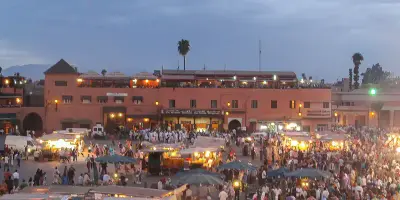
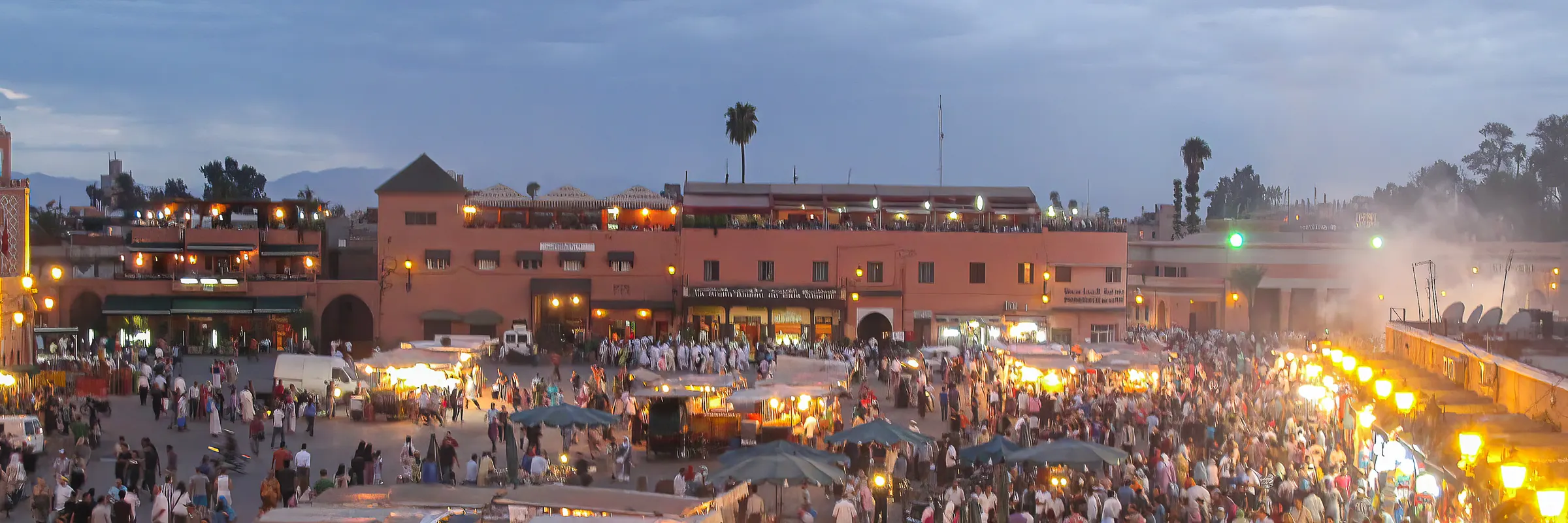
Marrakesh is the most-visited city in Africa and one where the calendar matters more than almost anywhere on this list. The medina is a genuine maze, the heat in high summer is severe rather than uncomfortable, and both are entirely predictable if you plan for them.

How many days Marrakesh needs

Three days is a good fit for the city: the medina, the gardens and palaces, and a day of nothing in particular, which is when the place starts making sense.

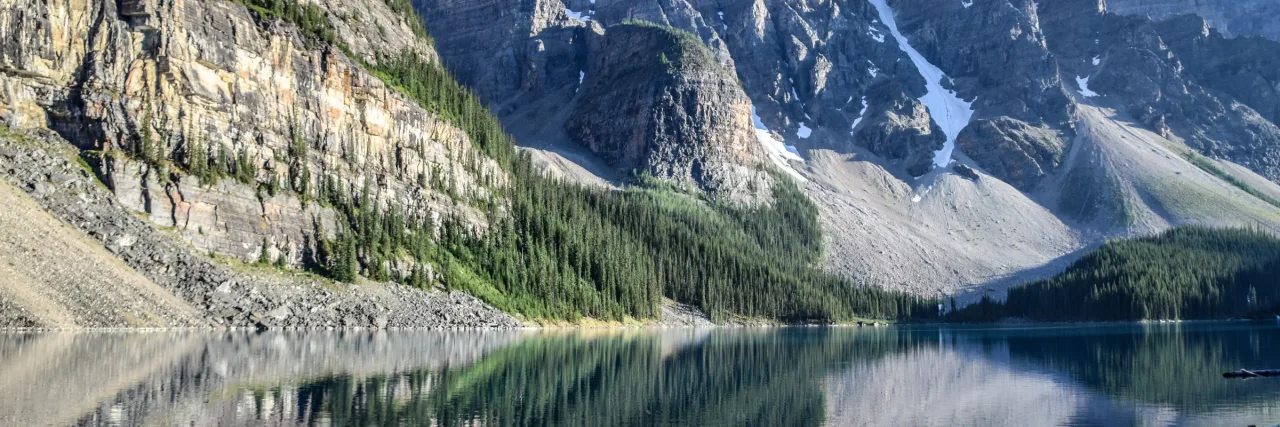
Longer works better as a base. The Atlas mountains are an easy day trip and a complete change of temperature, and the desert or the coast are within reach of a longer trip — which is where multi-destination planning earns its keep.

How the city is arranged

The old walled medina and the modern city outside it are two different places with different rules, and moving between them is the basic rhythm of a trip here.

  • The medina — the souks, the main square, the riads. Dense, unsigned, and where a phone map is less useful than you expect.
  • The Kasbah and the southern medina — the palaces and tombs, quieter than the souks.
  • Gueliz — the modern city, wide streets, and where the prices and the pace become ordinary.
  • The gardens — scattered, cooler, and the right plan for the hottest part of the day.

When to go, and how bad the summer really is

This is an inland city on the edge of a desert. The temperature range across the year is wide, and the top of it is not something you can plan around with an early start.

  • March to MayGo now

    Warm, dry and comfortable

    The best window of the year: warm days, cool evenings, and the Atlas still snow-capped in the distance. Spring is when the gardens are at their best.

  • October and NovemberGo now

    The heat has broken, the crowds have gone

    Warm without being difficult, and noticeably quieter than spring. October is arguably the single best month.

  • December to FebruaryWorth it, but

    Mild days, genuinely cold nights

    Pleasant for walking and cheap, but riads are often poorly heated and the evenings are colder than people expect. The mountains nearby have real snow.

  • July and AugustThink twice

    Severe heat, not just hot

    Regularly above forty degrees in the afternoon, with little shade in the souks. This is not something an early start fixes — the whole middle of the day disappears, and it is the one window worth actively avoiding.

  • Ramadan (moves each year)Worth it, but

    A different rhythm, and worth knowing in advance

    The dates shift roughly eleven days earlier each year, so check them against your trip. Many cafés and restaurants close during daylight, the pace of the day changes, and the evenings become much livelier. Not a reason to avoid the city — a reason to know before you arrive.

Things that change the trip

  • Phone maps work badly in the souks. Landmarks and asking are more reliable, and getting briefly lost is part of it rather than a failure.
  • Prices in the souks are negotiated. Not haggling is not politeness; it is simply paying more than the asking rate expects.
  • Unsolicited offers to guide you somewhere generally end in a shop and a fee. A firm, friendly no is standard.
  • Book a riad inside the medina for the atmosphere, but understand that taxis cannot reach the door — you will walk the last stretch with luggage.
  • A day trip into the Atlas is a twenty-degree change in temperature and the best possible answer to a hot week.

Plan Marrakesh, or Morocco around it

Three days in Marrakesh is inside the free version. Adding the Atlas, the desert or the coast, with the transport between them, is Premium.

Destinations