
Skip to content
Joru
Kenya

Nairobi

Nairobi is not usually the destination — it is the way in — but it is an unusually interesting gateway, with a national park on its edge and a couple of days of genuine things to do. The planning that matters, though, is about what comes after it, and that is entirely a question of season.

How to use the city

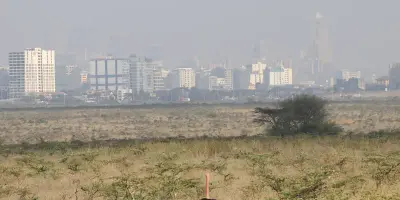
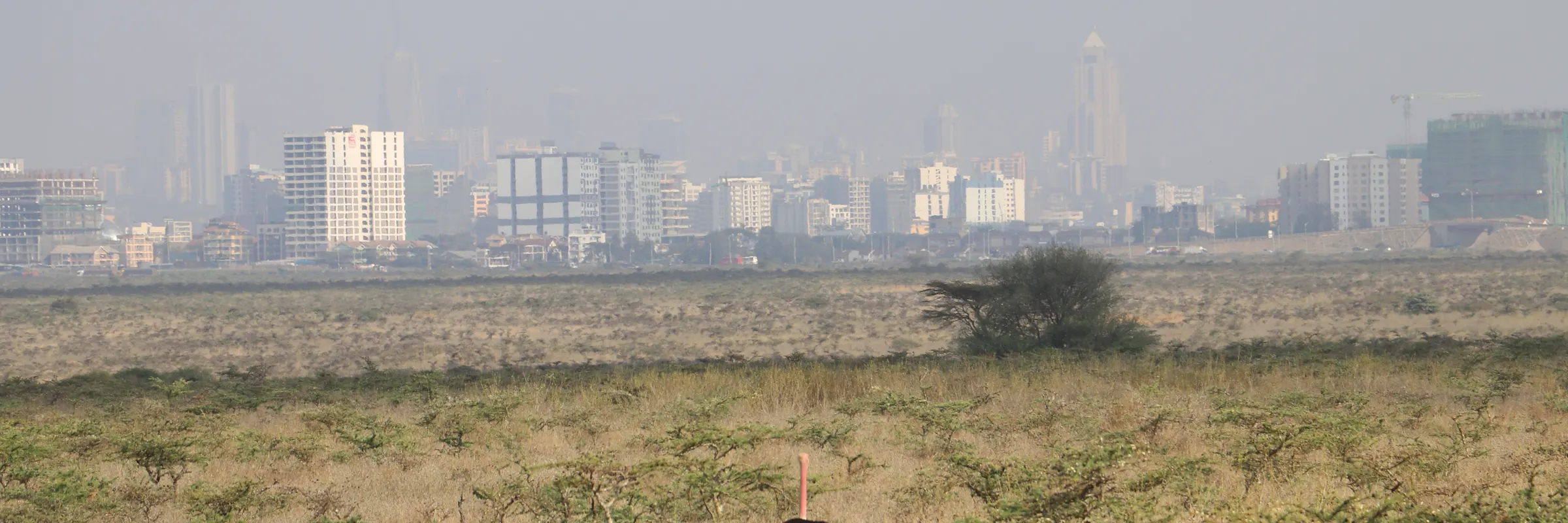
One or two days is the right amount. The national park on the city's southern edge is genuinely unusual — large mammals with a skyline behind them — and there are a couple of well-known conservation centres that make a good half-day.

The real question is what Nairobi is a gateway to. The Maasai Mara, Amboseli and the coast are all onward journeys with their own seasons, and the internal flights that connect them need booking well ahead in high season.

What the trip usually contains

Almost everyone treats Nairobi as the first and last night of a longer trip, and the shape of that trip is what to get right.

  • Nairobi National Park — on the city edge, and an easy half-day.
  • The Maasai Mara — the main draw, and where migration timing matters.
  • Amboseli and Tsavo — closer, quieter, and with a different landscape.
  • The coast — Mombasa and Diani, on a different climate calendar from the interior.

When to go, and the two dry seasons

Kenya sits on the equator, so there is no summer or winter — there are two rainy seasons and two dry ones, and they matter a great deal for wildlife viewing.

  • July to OctoberGo now

    Long dry season, and the migration window

    The best game-viewing conditions: dry, thin vegetation, and animals gathered at water. The Great Migration is usually in the Maasai Mara somewhere in this window, though the exact timing shifts every year with the rains and cannot be booked to a date. Peak prices and full camps.

  • January and FebruaryGo now

    Short dry season, hot and much quieter

    Dry, hot, and with far fewer visitors than the mid-year peak. Excellent game viewing without the migration crowds, and calving season in some parks.

  • June and NovemberWorth it, but

    Shoulder months, lower prices

    Transitional and less predictable, but noticeably cheaper and quieter. Reasonable value if the migration is not the point of the trip.

  • March to MayThink twice

    The long rains

    The heaviest rainfall of the year. Tracks become difficult, some camps close entirely, and viewing is harder because the vegetation is thick and the animals disperse. Prices are at their lowest for exactly these reasons.

Things that change the trip

  • The migration cannot be booked to a date. It moves with the rains and varies by weeks each year. Plan a window, not a day.
  • Internal flights to the parks have strict and low baggage limits, usually soft bags only. Check before packing.
  • Nairobi traffic is severe and unpredictable. Allow far more time for airport transfers than the distance implies.
  • Check current health and vaccination requirements well ahead — some need to be started weeks before travel.
  • Park fees are a significant and separate part of the cost, and they change. Budget for them explicitly.

Plan the whole route, not just the city

A trip with several stops and the transport between them is what Premium is for. The free version covers one destination for up to three days.

Destinations