Skip to content
JoruJoru
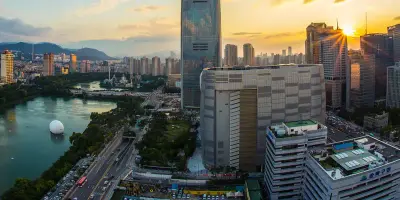
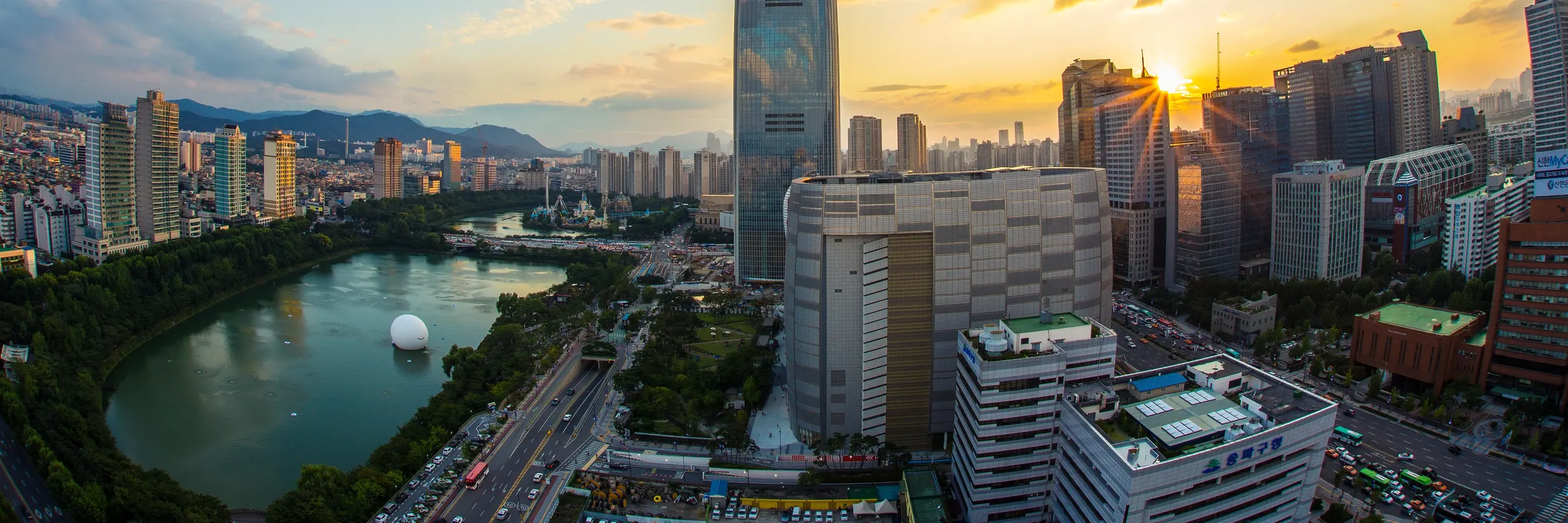
Seoul: the city at sunset from Songpa
Photo: cmmellow · CC0
South Korea

Seoul: how many days you need and the best time to go

Seoul is built in a bowl of mountains with a wide river through the middle, and those two facts decide everything about a day here. The north bank has the palaces, the markets and the old street plan; the south has the towers, the money and the shopping. Crossing the river is quick and it is still a decision, because the two halves want different kinds of day.

Short answers

What people ask before booking

How many days do you need in Seoul?

Seoul needs four days as an honest minimum and five to add a day trip or a mountain. The river splits the city into two halves that want different kinds of day, so plan by which side you are on.

What is the best month to visit Seoul?

September to November — The best stretch of the year, and it is not close. April and May — Blossom and mild air, before the humidity arrives.

Which months are worth avoiding in Seoul?

July and August — The monsoon, then the heat. December to February — Cold in a way that changes what you can do.

How many days Seoul needs

Four days is the honest minimum for a first visit and five lets you add a day trip or a mountain. The city is very large but the metro is fast and comprehensive enough that distance is rarely the constraint — what limits you is that the good neighbourhoods reward walking, and walking here involves hills.

The other thing that eats time is the palaces. There are five major ones and doing more than two properly in a week is a lot of the same thing; pick one big one and one small one rather than trying to complete the set.

How the city is arranged

The Han River runs west to east through the middle and splits Seoul into Gangbuk, north of the river, and Gangnam, south of it. The two halves were built six hundred years apart and it shows in everything: street width, block size, what is on the ground floor.

  • Jongno and Jung — the historic core north of the river: the palaces, Insadong, the old markets. Narrow lanes and the oldest street plan in the city.
  • Hongdae and Yeonnam — the university quarter in the northwest. Young, loud, cheap food, live music, open very late.
  • Itaewon and Yongsan — the international district and the national museum, on the north bank near the river.
  • Gangnam and Seocho — south of the river. Wide avenues, tall buildings, department stores. Efficient rather than charming.
  • Seongsu and Seongdong — a former industrial area on the north bank turned into the city's workshop-and-café district. The most interesting recent change in Seoul.

Where to stay, and why the river decides more than the price

The temptation is to book by price, and the price difference between north and south is real. The question to ask first is which trip you are taking. If you came for palaces, markets and old lanes, staying in Gangnam means crossing the river twice a day for a week. If you came for shopping and modern Seoul, the reverse.

The second thing is that Seoul is genuinely hilly and the metro exits are numbered for a reason: coming out of the wrong one can mean a climb. Checking which exit your hotel is near saves more than picking a cheaper station.

AreaWho it suitsThe catch
MyeongdongFirst visit. Central, on two lines, walkable to the palaces and to a lot of food.It is the most touristed square kilometre in Korea and the street stalls are priced accordingly.
Jongno and InsadongThe palaces on your doorstep and the old city around you.Quieter at night than the guides suggest, and the hotel stock is older.
HongdaeNightlife, cheap food and the student half of the city.Genuinely loud until very late, and a long way from Gangnam.
GangnamShopping, business, and the newest hotels in the city.You are across the river from most of the historic sights, and it is the least atmospheric part of Seoul.
Seoul Station and YongsanAirport rail on one side and the fast trains to Busan on the other.A transport district rather than a neighbourhood; fine for a short stay, dull for a long one.

From the airport to the city, and getting around once you are here

Seoul has two airports and the difference matters. Incheon is the international one and it is about fifty kilometres west, on its own island; Gimpo is much closer and handles domestic flights plus some short-haul Asian routes. The airport express train from Incheon runs to Seoul Station in under an hour, and the all-stops version of the same line costs less and takes longer.

Once you are in the city, the metro is the answer to almost everything. It is clean, signed in English, runs frequently, and it stops around midnight, which is the one thing that catches people out in a city where the restaurants do not.

  • Get a rechargeable transport card at any convenience store. It works on metro, buses and taxis across the country, not just in Seoul, and it removes any need to work out fares.
  • Transfers between metro and bus are free within a time window if you tap out and back in. This is why tapping out matters even when the gate does not force you.
  • Bus route numbers encode where they go — the colours mean different things (blue for long trunk routes, green for local, red for suburban). It is worth two minutes to learn.
  • Taxis are cheap by European standards and plentiful, and the late-night surcharge is real. After the metro stops, this is how you get home.

Day trips, and the one everyone underestimates

Korea is small and the trains are fast, so the day trip menu here is unusually good. The high-speed line puts a lot of the country within reach of a morning departure, which changes what a five-day trip can contain.

  • The DMZ — the border with North Korea, a couple of hours north. It can only be visited on an organised tour, you need your passport, and tours are cancelled without warning when the political situation changes. Book it early in your trip so there is room to rebook.
  • Suwon — a walled fortress city with an intact eighteenth-century wall you can walk, about an hour south. The most underrated day trip on this list.
  • Gyeongju — the old Silla capital, two hours by high-speed train. Burial mounds, temples and a completely different scale of history. A long day but a real one.
  • Bukhansan — a national park with granite peaks inside the city limits, reachable by metro and bus. Genuinely a mountain, genuinely a hike, and about an hour from the centre.
  • Jeonju — the hanok village and the city that claims the best food in Korea, under two hours south.

How eating and drinking works here

Korean meals are shared and come with banchan — a spread of small side dishes that arrive free with the meal and are refilled on request. They are not a starter and they are not charged for; asking for more of one is normal and expected.

Much of the good eating is done at places that sell one thing. A restaurant with a photograph of every dish in six languages near a tourist site is the pattern to avoid; a place with a single line of Korean on the sign and a queue of office workers at noon is the opposite signal.

  • Many restaurants have a two-portion minimum for the grilled and stew dishes. Eating alone is normal for noodles and rice bowls, harder for barbecue.
  • Scissors at the table are for cutting the meat, and using them is expected rather than odd.
  • The city eats late and drinks later. Second and third rounds at different venues are a normal structure to an evening, not an accident.
  • Pouring your own drink is avoided — you pour for others and they pour for you. With someone older, hold the glass with two hands.

Where to eat in Seoul, dish by dish

Seoul's food is cheap, fast and everywhere, and the best of it is at markets and single-dish counters rather than restaurants. The one thing worth knowing before you order: the default spice level is higher than most visitors expect, and asking for less is a normal request rather than an insult.

  • Gwangjang Market

    Market

    The market meal, and the one to go to

    A covered market running since 1905, and the best single place to eat in the city. Rows of stalls with plastic stools, each doing one thing: mung bean pancakes, knife-cut noodles, raw beef. Point at what the person next to you is eating. Busiest in the evening, and the stalls at the entrance are the most photographed rather than the best.

    Check it on Wikidata
  • Noryangjin Fisheries Wholesale Market

    Market

    Seafood, chosen live and cooked upstairs

    A wholesale fish market where the format is unusual: you buy from a stall on the floor and take it upstairs to a restaurant that cooks it for a fee. It works and it is not a tourist gimmick — it is how the market has always functioned. Agree the price of the fish and the cooking charge before anything is killed.

    Check it on Wikidata
  • Korean barbecue

    What to order

    The meal that is the reason people come

    Meat grilled at your table over charcoal or gas, wrapped in lettuce with garlic, chilli and fermented soybean paste. Pork belly is the everyday version and beef is the occasion version, and the everyday one is the one to have. Most places need two people minimum; the scissors on the table are for you to use.

    Check it on Wikidata
  • Tteokbokki

    What to order

    The street snack that defines the city

    Thick rice cylinders in a sweet chilli sauce, sold from carts and small counters everywhere. It is properly spicy and properly sweet at the same time, which is the thing to expect. Order it with fried things and a fish cake skewer, which is how it is actually eaten.

    Check it on Wikidata
  • Banchan

    What to order

    Understanding the free dishes that arrive uninvited

    The small dishes that come with every meal — kimchi, pickled radish, seasoned greens, a dozen others depending on the kitchen. They are free, they are refilled on request, and a place with good ones is telling you something about the rest of the food. Judging a restaurant by them is a reasonable heuristic.

    Check it on Wikidata
  • Naengmyeon

    What to order

    The dish that makes August survivable

    Cold buckwheat noodles in an icy broth, sometimes with vinegar and mustard added at the table. It exists because Seoul's summer is genuinely brutal, and it is the local answer to a day when the humidity has beaten you. Almost nobody orders it in winter, and the good places are seasonal about it.

    Check it on Wikidata

When to go, and what each month costs you

Seoul has four sharply separated seasons and two of them are genuinely difficult. The gap between a good month and a bad one here is wider than in almost any city on this site: October and January are not the same trip with different coats.

  • September to November

    Go now

    The best stretch of the year, and it is not close

    Clear skies, comfortable temperatures, low humidity, and the autumn colour arriving in the mountains around the city through late October and November. If you can choose your dates, choose these.

  • April and May

    Go now

    Blossom and mild air, before the humidity arrives

    Cherry blossom moves through the city in spring — the exact timing shifts by a week or two each year and lasts about ten days. May is reliably pleasant and less crowded than the blossom weeks.

  • March and June

    Worth it, but

    The shoulder either side, with one caveat each

    March is still cold and can be grey, but prices are low and the city is empty. June is warm and pleasant until the rains arrive at the end of it. Spring can also bring days of poor air quality, which is a real consideration if you are sensitive to it.

  • July and August

    Think twice

    The monsoon, then the heat

    The summer rains fall in this window and they are heavy rather than persistent — days of downpour rather than drizzle. What follows is high heat with high humidity, which makes the hills and the long walks unpleasant. This is when Koreans leave the city.

  • December to February

    Think twice

    Cold in a way that changes what you can do

    Seoul winters are dry, bright and properly cold — colder than the latitude suggests, because of the wind off the continent. The city works fine and the food is at its best, but outdoor sightseeing becomes a series of short dashes between warm rooms.

Things that change the trip

  • Decide north or south of the river before booking a hotel. Crossing is easy and doing it twice a day for five days is not.
  • Get a rechargeable transport card at a convenience store on day one. It covers metro, bus and taxi, and works in other Korean cities too.
  • The metro stops around midnight and the restaurants do not. Know how you are getting back before you sit down for a late dinner.
  • Two palaces is enough. Five is the same building five times, and the time is better spent on a market or a mountain.
  • If you want to see the DMZ, book it for early in your trip. Tours are cancelled at short notice when the situation changes, and an early slot leaves room to rebook.
  • Ask for less spice if you want it — it is a normal request. The default level is higher than most visitors expect.

Plan Seoul by which side of the river you are on

A trip of more than three days, or one that adds Busan or Gyeongju and the trains between them, is what Premium is for. The free version covers one destination of up to three days.

Destinations