

Skip to content
JoruJoru
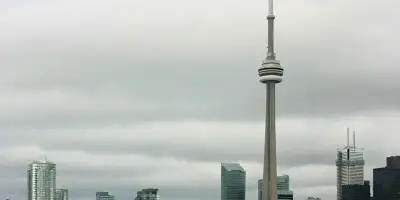
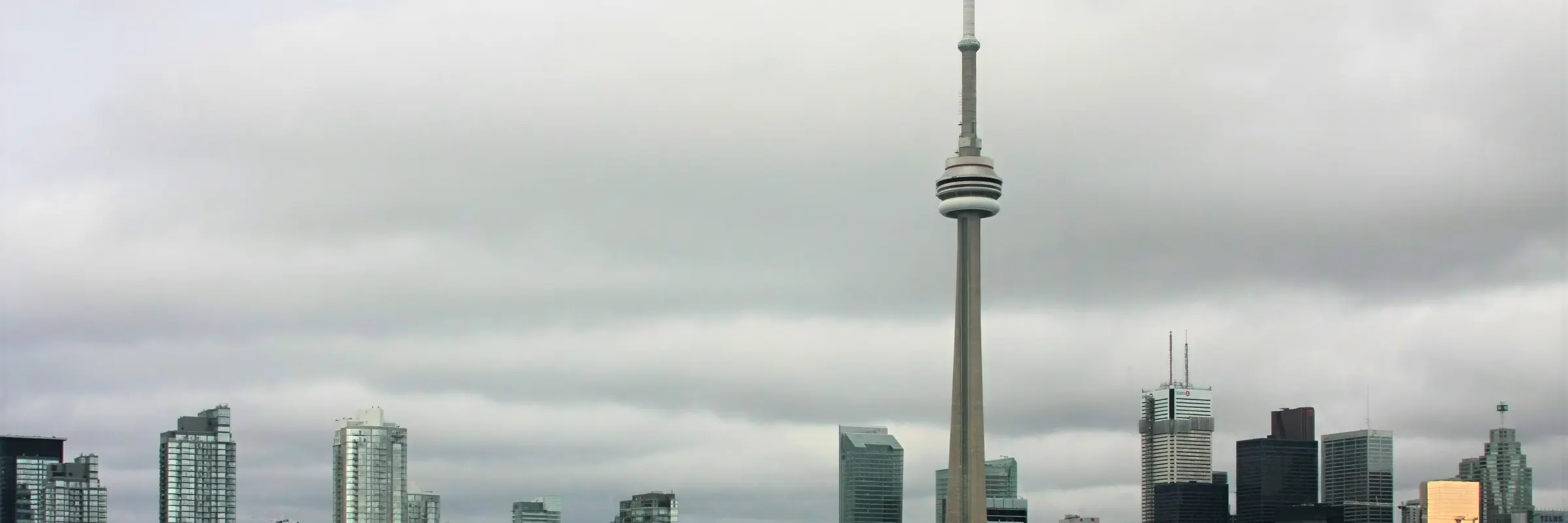
Toronto: the waterfront with the CN Tower
Photo: ImagePerson · CC BY 4.0
Ontario, Canada

Toronto: how many days you need and the best months to go

Toronto's tourist checklist is short and most of it can be done in a morning, which leads a lot of people to conclude the city is boring. They are looking in the wrong place. Roughly half of the people here were born in another country, and what that produces — dozens of neighbourhoods each with their own food, language and shops — is the actual attraction.

Short answers

What people ask before booking

How many days do you need in Toronto?

Toronto needs three days and a fourth if you want Niagara, which is a full day rather than a half. The sightseeing list takes a day and a half; the neighbourhoods are what the other days are for.

What is the best month to visit Toronto?

June to August — The city outdoors, and the patios open. September and October — The best air of the year, and the autumn colour.

Which months are worth avoiding in Toronto?

December to March — A winter that changes what a day looks like.

How many days Toronto needs

Three days is right: one for the waterfront and downtown, one for two or three neighbourhoods on foot, and one for the islands or a gallery. A fourth if you want Niagara Falls, which takes a full day and not the half-day people plan for.

The mistake is to treat this as a sightseeing city. The tower, the aquarium and the two big museums can be done in a day and a half, and if that is all you do you will leave wondering what the fuss is. The fuss is in Kensington Market at lunchtime and on a suburban strip full of Sri Lankan bakeries.

How the city is arranged

Toronto is a grid running north from the lake, and it is much larger than the downtown core suggests. The useful mental model is a set of distinct neighbourhoods strung along a few main streets, rather than a centre with suburbs.

  • Downtown and the waterfront — the tower, the financial district, the ferry terminal. Busy on weekdays and quieter than you would expect at weekends.
  • Kensington Market and Chinatown — next to each other, west of downtown. The most concentrated eating in the city and the best walk in it.
  • The Distillery District — restored Victorian industrial buildings, pedestrianised, and at its best when the Christmas market is on.
  • Queen West and Ossington — bars, galleries and restaurants running west along Queen Street. Where the city goes out.
  • The Toronto Islands — a short ferry from downtown, car-free, with beaches and a view of the skyline. The ferry queue in summer is long enough to plan around.
  • Scarborough and North York — the suburbs, and where a lot of the best and cheapest food in the region actually is.

Where to stay, and the streetcar question

Downtown is the obvious choice and works well for three days, because the ferry, the tower and the museums are all walkable and the subway crosses beneath it. The trade is that downtown Toronto is quiet in the evening, in the way of a business district, and the interesting streets are a streetcar ride west.

The other consideration is transport. Toronto's subway is basically two useful lines, and everything else is streetcars, which are frequent but slow and share the road with traffic. A hotel on a streetcar route is fine; a hotel that needs two transfers is not.

AreaWho it suitsThe catch
Downtown and the Entertainment DistrictFirst visit. The tower, the ferries, the museums and the trains, all close.Empties in the evening, and hotel prices spike whenever a convention is on.
Queen West and OssingtonBars, restaurants and independent shops on your doorstep.A streetcar from the main sights, and the streetcar is slow in traffic.
The Annex and YorkvilleLeafy streets, near the big museum, and on the subway.Yorkville is the most expensive part of the city; the Annex is quiet in a student way.
The Distillery District and CorktownQuiet, handsome, and walkable to downtown.Not much open late nearby, and thin on ordinary shops.

From the airport, and moving around

Pearson is the main airport and there is a direct train — the UP Express runs to Union Station downtown in about twenty-five minutes, which is faster and far cheaper than a taxi in traffic. Billy Bishop is the small island airport right by downtown, handles regional flights, and is reached by a pedestrian tunnel.

In the city, a rechargeable card covers subway, streetcar and bus. Streetcars are boarded at any door and you tap on board, which confuses visitors used to boarding at the front. Transfers between modes are included within a time window.

  • The subway is two lines that matter, and neither runs east–west across the north of the city usefully. Do not assume metro coverage like Paris or Madrid.
  • Streetcars share the road with cars on many routes, so a journey that looks short can take twenty-five minutes at rush hour.
  • Sales tax is added at the till and tipping is expected — around a fifth for table service. The menu price is not the price.
  • The PATH is an underground pedestrian network connecting much of downtown. In January it is not a curiosity; it is how you get around.

Day trips, and the honest note about the falls

Ontario is enormous and Toronto is at the bottom of it, so the day-trip list is short and dominated by one thing everyone asks about.

  • Niagara Falls — about ninety minutes each way by car or bus. It is a full day, not a half day, and the falls themselves are genuinely spectacular. The town beside them is a strip of wax museums and casinos, which surprises people who imagined a beauty spot.
  • Niagara-on-the-Lake — twenty minutes past the falls, a preserved nineteenth-century town in the middle of Ontario's wine country. Combining it with the falls is what turns that day from adequate into good.
  • Hamilton and the escarpment — an hour west, with waterfalls along the ridge and a food scene that has grown quickly.
  • Prince Edward County — two and a half hours east, wineries and beaches on Lake Ontario. Really an overnight rather than a day.
  • The Toronto Islands — not a day trip but the best half-day in the city, and the only place to see the skyline properly.

How eating works here

Toronto's food is its immigration, and the range is the point: this is one of the most diverse cities in the world by share of foreign-born residents, and you can eat accordingly. The best value is almost always outside downtown, on suburban strips where a community actually lives.

The practical notes are North American. Tax is added at the till and tipping is not optional — around a fifth for table service, and card machines will prompt you with suggested percentages that start high. Alcohol is sold in licensed shops rather than supermarkets, which catches Europeans out.

  • Lunch specials are much cheaper than the same kitchen at dinner, especially in Chinatown and on the Sri Lankan and Ethiopian strips.
  • The suburbs are where the food is. Scarborough, North York and Mississauga have better and cheaper versions of almost everything downtown sells.
  • Patio season is short and taken seriously. From May the terraces fill and the whole city eats outside for four months.
  • Tap water is safe and free, and asking for it is normal.

Where to eat in Toronto, dish by dish

There is no single Toronto cuisine and that is the answer, not a dodge: the city eats the food of everywhere its people came from. What follows is the short list of things that are genuinely local, plus the two markets where you can eat several cuisines in one walk.

  • St. Lawrence Market

    Market

    The market that has been there since the 1800s

    A covered market on the site of the city's original market square, with butchers, cheesemongers, bakers and prepared food. Closed Mondays, and the south building is the one that matters. Come in the morning and eat a peameal sandwich standing up, which is the correct way to do it.

    Check it on Wikidata
  • Peameal bacon

    What to order

    The sandwich that is genuinely Toronto's own

    Pork loin rolled in cornmeal, sliced thick and grilled, served in a soft bun with mustard. It is not bacon in the sense you are expecting — it is lean, meaty and closer to a pork chop. The version at the market is the one everyone means when they name it.

    Check it on Wikidata
  • Kensington Market

    Where to look

    The neighbourhood to eat your way through

    A small grid of narrow streets west of Chinatown, full of independent food shops, Latin American grocers, cheesemongers and cafés. It is a walk rather than a destination, and the point is to buy something from four different places. Busiest on Saturdays and pedestrianised on some summer Sundays.

    Check it on Wikidata
  • Chinatown

    Where to look

    The Chinatown, and where the better one actually is

    The downtown Chinatown on Spadina is large, busy and good. The bigger and better Chinese food is in the suburbs — Markham and Scarborough — where the communities that arrived later settled. Downtown is the convenient one; the suburbs are the ambitious one.

    Check it on Wikidata
  • Butter tart

    What to order

    The Canadian dessert, in the place that argues about it

    A small pastry shell filled with butter, sugar and egg, baked until the top cracks. The national argument is whether it should contain raisins, and it is a real argument. Sold in every bakery and most cafés, and the good ones are runny rather than set.

    Check it on Wikidata
  • Poutine

    What to order

    The late-night dish everyone ends up with

    Chips, cheese curds and gravy — from Quebec rather than Ontario, and by now national. The curds must squeak when you bite them; if they have melted flat into the gravy, the place is not doing it properly. It is the correct food after a cold evening out.

    Check it on Wikidata

When to go, and what each month costs you

Toronto has four sharply separated seasons and the winter is the one that changes the trip. It is genuinely cold — colder than the latitude suggests, with wind off the lake — and the city responds by moving indoors. Summer is humid and the city lives outside for it.

  • June to August

    Go now

    The city outdoors, and the patios open

    Warm, long days, the islands and the waterfront working properly, and every restaurant with a terrace using it. Humid at the peak and occasionally sticky, but this is Toronto at its most enjoyable and it is not close.

  • September and October

    Go now

    The best air of the year, and the autumn colour

    Warm days, cool nights, low humidity and the leaves turning through October across Ontario. The film festival brings a busy week in September; either side of it, this is the ideal window.

  • May and November

    Worth it, but

    The shoulders, and either can go wrong

    May is when the patios open and the city exhales, though it can still turn cold. November is grey and increasingly raw, with the compensation of low prices and empty museums. Both are gambles rather than bad choices.

  • December to March

    Think twice

    A winter that changes what a day looks like

    Properly cold, with wind off the lake and snow that stays. This is why the PATH underground network exists, and in January it stops being a curiosity and becomes the way you cross downtown. The city works fine and the sightseeing goes indoors. Prices are lowest and the reason is on the thermometer.

Things that change the trip

  • Do not judge Toronto by its sightseeing list. The tower and the museums take a day and a half; the neighbourhoods are the reason to come.
  • Give Niagara a full day and combine it with Niagara-on-the-Lake. Half a day at the falls alone is the version people regret.
  • Take the UP Express from Pearson. Twenty-five minutes to downtown, and much cheaper and more predictable than a taxi in traffic.
  • Eat in the suburbs at least once. Scarborough and Markham have better and cheaper versions of most of what downtown sells.
  • The menu price is not the price. Add tax at the till and around a fifth in tip for table service.
  • In winter, learn the PATH. It connects most of downtown underground and in January it is genuinely how you get around.

Plan Toronto by neighbourhood, not by sight

A trip of more than three days, or one that adds Niagara and the wine country and the driving between them, is what Premium is for. The free version covers one destination of up to three days.

Destinations