

Skip to content
JoruJoru
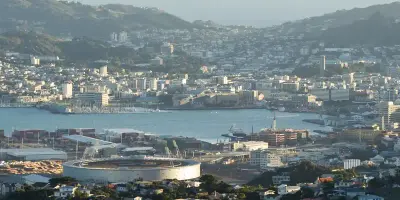
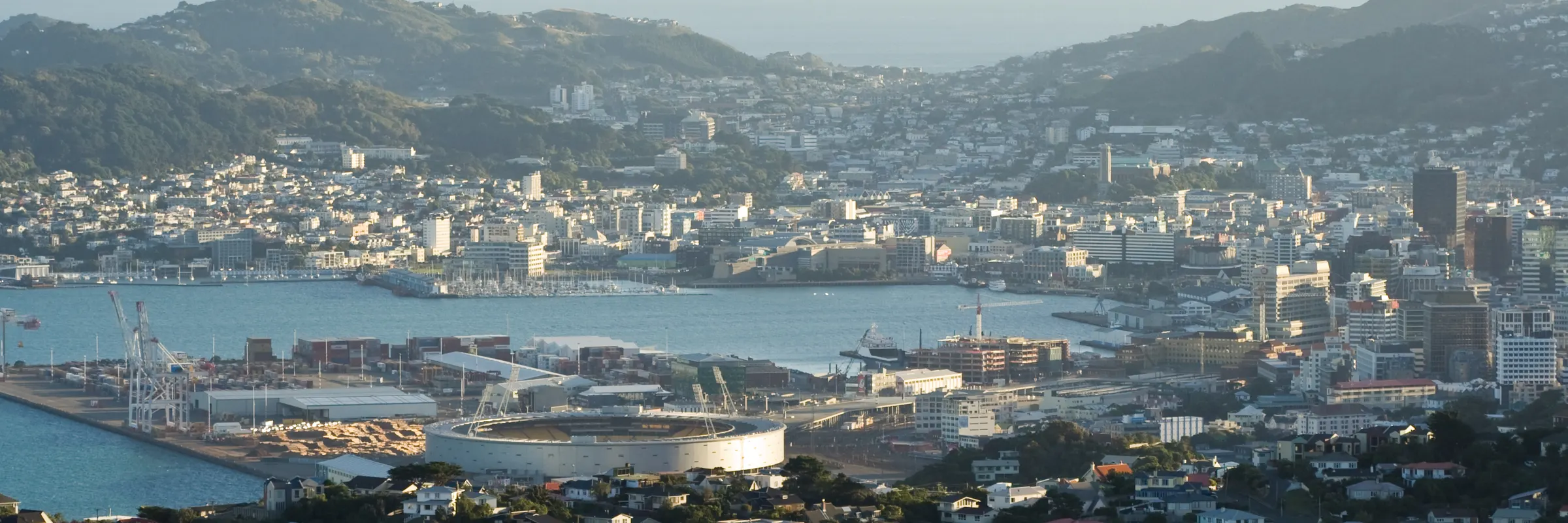
Wellington: the harbour with the city behind it
Photo: Aidan from Wellington, New Zealand · CC BY 2.0
North Island, New Zealand

Wellington: how many days you need and the best months to go

Wellington is the most walkable capital in this part of the world, mostly because there is nowhere for it to spread: the harbour is on one side and steep hills on the other, so the city is pressed into a strip a few blocks deep. That density gives it a café and bar culture out of proportion to its size, a national museum that costs nothing, and a wind that is genuinely part of the experience rather than a joke.

Short answers

What people ask before booking

How many days do you need in Wellington?

Wellington needs two days for the centre — Te Papa, the waterfront, Cuba Street and the cable car — and a third for Zealandia, the south coast or the Wairarapa over the hill.

What is the best month to visit Wellington?

January, February and March — Summer: the harbour at its best and the city outdoors. November and December — Late spring, before the summer crowds.

Which months are worth avoiding in Wellington?

May to September — Winter: wet, windy and dark by late afternoon.

How many days Wellington needs

Two days covers the city properly: Te Papa, the waterfront, Cuba Street, the cable car and the botanic garden on the way back down, and an evening working through the bars. Wellington is small and everything central is within twenty minutes on foot.

A third day is for what is outside: the Zealandia sanctuary, the Weta workshop tours, the wild south coast, or the Wairarapa wineries over the hill. Most people arrive here on the way to or from the South Island ferry, and giving Wellington a full day either side of that crossing is the difference between seeing it and passing through.

How the city is arranged

The geography does the organising. The flat land is a narrow strip between the harbour and the hills, and everything a visitor wants is on it: the museum, the waterfront, the two main streets and the government quarter. The suburbs climb the slopes behind, connected by stairs, winding roads and a cable car.

  • The waterfront — a continuous public promenade from the stadium to Oriental Bay, with Te Papa on it. The single best walk in the city and it is free.
  • Cuba Street — the alternative spine: independent shops, cafés, buskers and the bucket fountain. Where Wellington keeps its character.
  • Lambton Quay and the government quarter — the business street, Parliament, and the terminus of the cable car. Busy on weekdays and quiet at weekends.
  • Te Aro — the blocks between Cuba Street and the harbour, holding most of the bars and small restaurants. The densest eating in New Zealand.
  • Oriental Bay and Mount Victoria — the beach on the harbour and the lookout above it. Twenty minutes on foot for the best view of the city.

Where to stay, and what the harbour side buys you

Wellington's centre is small enough that almost any central hotel works, and the choice is between being on the flat and being on a hill. Anywhere in Te Aro or along Lambton Quay puts you within walking distance of everything, which is not true of most capitals.

The thing to check is the wind exposure and the stairs. Wellington accommodation on a hill often means an actual climb, and a room facing the harbour on a windy night is louder than the price suggests.

AreaWho it suitsThe catch
Te AroFirst visit. Cuba Street, the bars and Te Papa all on foot, on flat ground.Noisy at weekends, and the cheaper end of the stock is basic.
Lambton QuayBusiness travel, the cable car, Parliament and the waterfront.It is an office district: quiet at weekends and thin on evening life.
Oriental BayThe harbour beach, the promenade and the best views in the city.Fewer hotels, higher prices, and a ten-minute walk back to the bars.
ThorndonQuiet, historic streets, the botanic garden and the northern rail station.Residential and sleepy; you walk fifteen minutes for dinner.
Near the ferry terminalAn early sailing to the South Island with no taxi in the dark.There is nothing there; you are next to a port, not a neighbourhood.

The wind, the ferry, and getting around

Wellington is one of the windiest cities in the world and this is a planning fact rather than a punchline: it sits in a gap between two mountain ranges that funnels the prevailing westerlies straight through it. On a bad day the harbour ferries and the cable car keep running, but flights get diverted and the exposed walks stop being fun.

The other structural thing is the ferry across Cook Strait to the South Island. It is a three-hour crossing that ends by threading through the Marlborough Sounds, and it is one of the best boat trips anywhere. It also gets cancelled in bad weather and books out in summer, so it needs to be booked ahead and given a spare day.

  • The cable car climbs from Lambton Quay to Kelburn in five minutes; walk back down through the botanic garden rather than riding both ways.
  • Buses and trains take a Snapper card or a contactless bank card, and the central city barely needs either.
  • Wellington airport is famously short and exposed. Landings are bumpy and diversions happen; do not book a tight connection out of here.
  • The harbour ferry to Days Bay is public transport and a boat trip at once, and it costs a normal fare.

Te Papa, Zealandia and the things worth a half-day

Te Papa, the national museum, is free and it is the best single explanation of New Zealand there is: Māori taonga, the Treaty of Waitangi, the natural history of a country with almost no native mammals, and a colossal squid. Half a day minimum, and the paid temporary exhibitions are separate from the free permanent ones.

The other thing Wellington does unusually is conservation. Zealandia is a fully fenced urban sanctuary where predators have been removed and native birds brought back, and the birdsong has spread into the surrounding suburbs as a result.

  • Te Papa is free, so treat it as two visits rather than one exhausting march through.
  • Zealandia's night tour is the way to see a kiwi in something close to the wild, and it books out.
  • The Weta workshop tours are the film-industry side of the city and are genuinely well run, not a gift-shop exercise.
  • Parliament's Beehive building offers free tours, and the debating chamber is open when the House is sitting.

How eating and drinking works here

Wellington has more cafés and bars per head than any other city in New Zealand, and coffee here is taken seriously in a way that predates the global speciality wave. The flat white is the default order and this part of the world claims to have invented it; either way, the standard is high in ordinary places.

The other thing is that this is a small-plates and craft-beer city rather than a fine-dining one. Restaurants are informal, most are small, and the good ones take bookings and fill on Friday and Saturday.

  • Coffee is ordered by style, not by size — flat white, long black, short black — and the barista will not need more information than that.
  • Tipping is not expected in New Zealand, and prices on menus include tax. Rounding up for something exceptional is fine and not required.
  • Craft beer is a local industry and the bars on and around Cuba Street pour almost entirely New Zealand beer.
  • Many kitchens close earlier than European visitors expect. A nine o'clock dinner needs checking first.

Where to eat in Wellington, and what to order

Wellington eats small, informal and often. The best of it is on and around one street, and the rest is seafood, coffee and the New Zealand habit of doing one thing well in a very small room. What follows is specific to here rather than generically antipodean.

  • Cuba Street

    Where to look

    The one street to eat and drink your way along

    The city's alternative spine, part pedestrianised, lined with cafés, bars, record shops and a famous kinetic fountain that splashes people. Almost everything worth eating in central Wellington is on it or one block off it. Walk its length once before deciding where to sit down.

    Check it on Wikidata
  • Flat white

    What to order

    The coffee order, and why it matters here

    Espresso with steamed milk and a thin layer of microfoam — smaller and stronger than a latte. Australia and New Zealand both claim to have invented it and the argument is unresolved. Order it by name in any café here and it will be good; asking for it in a size is what marks you as a visitor.

    Check it on Wikidata
  • Green-lipped mussel

    What to order

    The seafood to order on the coast

    A large native mussel with a green edge to the shell, farmed in the Marlborough Sounds across the strait and served steamed or in a chowder. They are much bigger than European mussels and one plate is a meal. Ask whether they are from the Sounds; the good places will say so.

    Check it on Wikidata
  • Whitebait fritter

    What to order

    The seasonal dish that is worth timing a trip around

    Tiny translucent fish caught in river mouths in spring, bound with egg and fried into a fritter. The season is short and legally restricted, and the price reflects it. It is a distinctly New Zealand thing to eat and it appears on menus for only a few weeks.

    Check it on Wikidata
  • Hāngī

    What to order

    The Māori cooking method, and where to encounter it

    Food cooked in a pit oven on heated stones, buried and steamed for hours — the traditional Māori method. It is an occasion rather than a restaurant dish, and the way to eat it is at a marae visit or a cultural experience that includes one. The smoky, earthy flavour is not reproducible above ground.

    Check it on Wikidata
  • Pavlova

    What to order

    The dessert, and the argument attached to it

    A meringue with a crisp shell and a soft centre, topped with cream and fruit. New Zealand and Australia have argued about its origin for decades; the strongest documentary evidence sits on the New Zealand side. Kiwifruit and passionfruit are the local toppings, and summer is when it is best.

    Check it on Wikidata

When to go, and what each month costs you

Wellington's seasons are reversed from the northern hemisphere, and the weather here changes faster than almost anywhere — four seasons in a day is a local saying and an accurate one. The variable that matters is wind rather than temperature: the city sits in a gap between mountain ranges, and the same day can be pleasant in the shelter and unwalkable on the waterfront.

  • January, February and March

    Go now

    Summer: the harbour at its best and the city outdoors

    Warm, long days, the waterfront in full use and the festival season running. February and March are the most settled months of the year and the least windy on average. It is also the busiest, and the Cook Strait ferry needs booking well ahead.

  • November and December

    Go now

    Late spring, before the summer crowds

    Lengthening days, warming weather and the city coming outdoors, without February's prices. December fills up in the second half as the New Zealand holidays start, so the earlier part of this window is the better half.

  • April and October

    Worth it, but

    Changeable shoulder months, cheaper and quieter

    Mild but unsettled, with genuinely unpredictable days in both directions. Good value and few visitors, and everything indoors is unaffected. October is often the windiest month of the year, which matters if the coastal walks are the point.

  • May to September

    Think twice

    Winter: wet, windy and dark by late afternoon

    Cold by New Zealand standards rather than by European ones, but persistently wet and windy, with the shortest days in June and July. The museums, cafés and bars are all excellent and entirely unaffected. What closes to you is the coast, the hills and the harbour, which is most of why people come here.

Things that change the trip

  • Te Papa is free. Go twice for a couple of hours rather than once for six, and check which exhibitions are ticketed before you queue.
  • Take the cable car up and walk back down through the botanic garden. It is the standard route and it is better in that direction.
  • Book the Cook Strait ferry well ahead and leave a spare day. It sells out in summer and cancels in bad weather, and it is a spectacular crossing.
  • Carry a windproof layer regardless of the forecast temperature. The wind here does more to a day than the thermometer does.
  • Do not book a tight onward connection through Wellington airport. The runway is short and exposed, and diversions are a normal event.
  • Walk Cuba Street end to end before choosing where to eat. Almost everything good in the centre is on it or one block away.

Plan Wellington around the crossing

A trip of more than three days, or one that adds the Wairarapa, Marlborough or the South Island and the ferry between them, is what Premium is for. The free version covers one destination of up to three days.

Destinations