Skip to content
JoruJoru
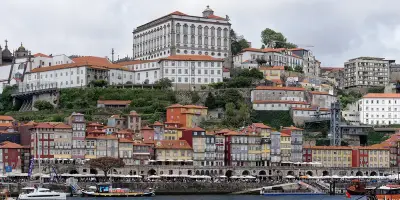
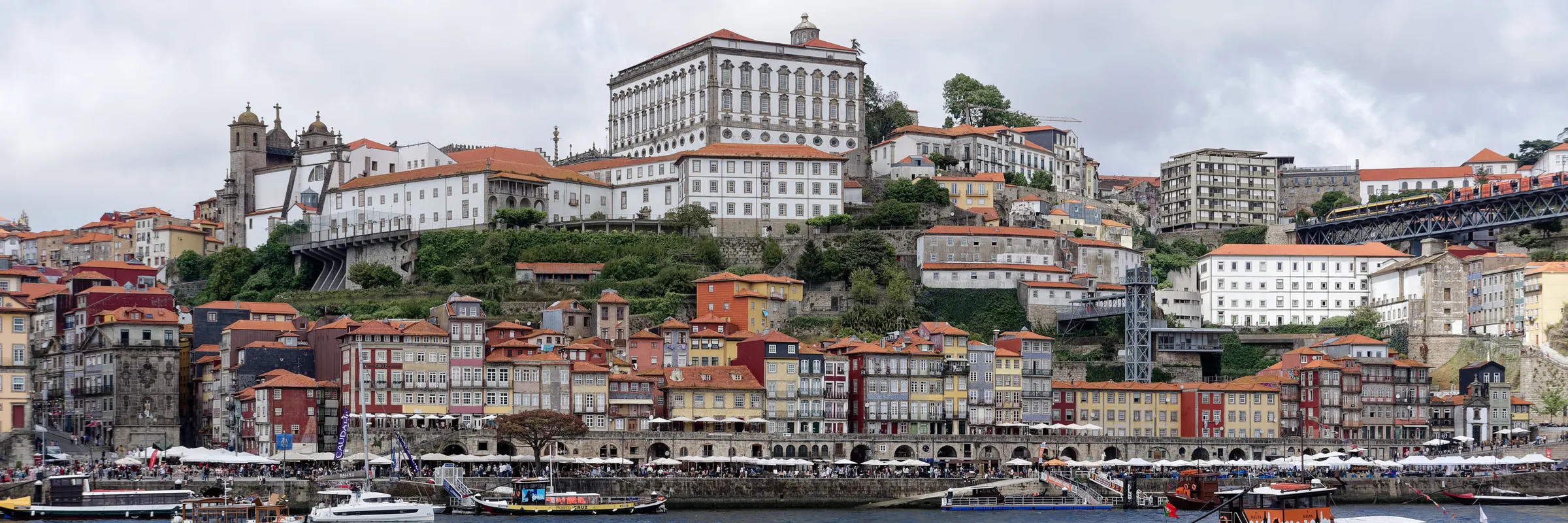
Porto: The Ribeira and the cathedral, from across the Douro
Photo: Jakub Hałun · CC BY 4.0
Portugal

Porto: how many days you need and the best months to go

Porto is built on a steep bank above the Douro, and almost everything about it follows from that: the streets go up, the views are free, and the bridges are the landmarks. The country is named after it — Portus Cale, the Roman port at the river mouth — and so is the wine, which is aged across the water in a different municipality. Two days covers the centre. Three is right, and a fourth buys the Douro valley, which is the reason many people extend.

Short answers

What people ask before booking

How many days do you need in Porto?

Porto needs two days for the old town and the port lodges, three to do it without rushing, and a fourth for the Douro valley. Plan around the rain rather than the heat: this is one of the wettest cities in southern Europe and its winter is nothing like Lisbon's.

What is the best month to visit Porto?

May and June — Dry, warm, long days and not yet full. September — The harvest month, and the crowds gone.

Which months are worth avoiding in Porto?

November, December, January and February — Genuinely wet: this is not Lisbon.

How many days Porto needs

Two days does the core: the Ribeira on the waterfront, the Sé cathedral and the Clérigos tower on one day, and the Bolsa palace, the São Bento station tiles and a port lodge across the bridge on the other. The historic centre is small and the walking is vertical rather than long.

Three days is right, and the third goes to Foz do Douro where the river meets the Atlantic — a tram runs there along the water — or to the Serralves museum and its park. A fourth day is for the Douro valley, which is genuinely the best thing in the region: terraced vineyards up a river gorge, reachable by a train line that runs along the water for the last stretch and is one of the great rail journeys in Europe.

The wine is not made in Porto

This is the fact that surprises everyone and it is not a technicality. The grapes are grown in the Douro valley, a hundred kilometres upriver, and the wine is aged in lodges in Vila Nova de Gaia — which is a separate municipality on the opposite bank. The city of Porto has the name and the fame; Gaia has the cellars.

The practical consequence is that the port tastings everyone comes for are across the bridge. Walk over the upper deck of the Dom Luís I bridge for the view, do the lodges on the Gaia side, and come back along the lower deck — that is the standard circuit and it is a good afternoon. The wine got the city's name because Porto was the port it was shipped from, which is also why the British houses are so prominent in it: the trade was built on English demand when France was unavailable.

  • Ribeira — the waterfront row of tall narrow houses under the bridge. A UNESCO World Heritage site and the postcard.
  • Dom Luís I bridge — two decks, both walkable, the upper one carrying the metro. The view is from the top.
  • São Bento station — twenty thousand azulejo tiles telling Portuguese history, in a working railway station. Free, and takes ten minutes.
  • Livraria Lello — the neo-Gothic bookshop with the staircase. Ticketed, crowded, and worth deciding about in advance.
  • Vila Nova de Gaia — the other bank, where every port lodge actually is. Not Porto, technically.

The hills, and what they cost you

Porto is built on a gorge and the difference between the riverside and the upper city is around seventy metres of climb, done on granite steps and steep lanes. A map that shows a short distance is not showing the vertical, and this is the single most common complaint from visitors here.

There are ways around it. The Guindais funicular runs from the Ribeira up to the Batalha area, the metro crosses the top deck of the bridge, and the standard trick is to walk down rather than up: start at the top of the city and end at the water. Shoes with grip matter, because the granite gets slippery in the rain and it rains a lot. If mobility is a factor, this city is harder work than Lisbon, which is saying something.

The rain nobody warns you about

Portugal has a reputation for sun and Porto quietly does not fit it. This is one of the wettest cities in southern Europe — it sits on the Atlantic in the north of the country, and the winter here is genuinely wet, grey and windy in a way Lisbon's is not.

What that means practically is that November to February is a real avoid rather than a shoulder season, and that even in spring an umbrella is not optional. The compensation is that the same Atlantic keeps the summer mild: while the Algarve and the interior are baking, Porto in July rarely gets uncomfortable. It is the coolest major city in mainland Portugal and that is an advantage half the year.

Practical things worth knowing

The airport is connected to the centre by metro in about half an hour, which is unusually easy for a European city this size. From Lisbon the train takes under three hours and is the sensible way to combine the two.

Two more. The Livraria Lello charges for entry and the fee is redeemable against a book — that is not a scam, it is a response to the crowds the Harry Potter association brought, and going early or booking a slot is the difference between seeing it and queueing. And Porto has a lot of steps and a lot of granite; the tram network is a heritage line rather than transport, so treat the number 1 along the river as a sightseeing ride rather than a way of getting somewhere.

What to eat in Porto, and where

Northern Portuguese cooking is heavier than the south's and Porto's is heavier still: this is a city that invented a sandwich you need a knife and fork for, and whose nickname comes from tripe. Eat the big things at lunch.

  • Francesinha

    What to order

    The dish this city invented

    Layers of steak, sausage, ham and cured meat between bread, covered in melted cheese and drowned in a hot sauce of beer and tomato, usually with chips. It was invented here in the 1950s by a returning emigrant adapting the croque-monsieur, and it exists in Porto and essentially nowhere else. Order one between two people the first time.

    Check it on Wikidata
  • Vino de Oporto

    What to order

    The wine, and where it actually is

    A fortified wine from the Douro valley, aged in lodges across the river in Vila Nova de Gaia — not in Porto itself, which only gave it the name and the harbour. The styles matter: ruby is young and fruity, tawny is oxidised and nutty, white is drunk cold as an aperitif and surprises people. The lodges all run tastings.

    Check it on Wikidata
  • Tripas à moda do Porto

    What to order

    The dish behind the city's nickname

    Tripe stewed with white beans, sausage and cumin, and the reason people from Porto are called tripeiros — tripe eaters. The story is that the city gave all its good meat to a fifteenth-century expedition fleet and kept only the offal, and the name stuck as a badge of pride. It is heavy, it is Sunday food, and it is genuinely good.

    Check it on Wikidata
  • Mercado do Bolhão

    Market

    The market, and the date that matters

    The city's great iron-and-stone market hall, which reopened in 2022 after five years of restoration — any guide older than that describes it closed or in scaffolding. Fruit, fish, flowers and a ring of small counters upstairs. Go in the morning; it is a working market before it is a sight.

    Check it on Wikidata
  • Pastel de nata

    What to order

    The pastry, everywhere and always

    A small custard tart in flaky pastry, scorched on top, eaten warm with cinnamon. It is Portuguese rather than specifically from Porto, and the good ones are baked through the day rather than sitting since morning. Ask if they are fresh out; the answer changes the pastry completely.

    Check it on Wikidata

When to go, and what each month costs you

Porto's calendar is set by rain rather than heat: the Atlantic keeps summers mild and winters genuinely wet. This is not Lisbon's climate and planning it as though it were is the mistake.

  • May and June

    Go now

    Dry, warm, long days and not yet full

    The best window of the year: the rain has stopped, the terraces are open, the days are long and the summer crowd has not landed. The São João festival on the night of 23 June is the city's great party — a whole-city street festival with grilled sardines and plastic hammers — and it is a fixed date, so it can be planned for or around.

  • September

    Go now

    The harvest month, and the crowds gone

    Warm, dry and quiet after the August peak, and this is when the Douro valley is picking grapes, which is the best time of year to go up the river. Prices ease. If you want Porto plus the wine country in one trip, this is the month to pick.

  • July and August

    Worth it, but

    Peak season, but mild by Portuguese standards

    The busiest and most expensive months, with the Ribeira crowded and the lodges booked — though the Atlantic keeps Porto pleasant while the rest of Portugal bakes, which is a genuine advantage over Lisbon or the Algarve in the same weeks. Book ahead and go early in the day.

  • April and October

    Worth it, but

    Shoulder months, cheap and wet-ish

    Lower prices, fewer people and reasonable temperatures, with rain a real possibility on any given day. October still has autumn colour in the Douro valley, which is worth something. Bring a waterproof and keep an indoor plan; the tile churches and the museums cover a bad afternoon.

  • March

    Worth it, but

    The rain easing, the city empty

    The wet season is ending but has not ended, and the city is at its cheapest while still being walkable on a good day. Easter moves between late March and April and fills the centre for a week. A gamble, and one that pays more often than the months before it.

  • November, December, January and February

    Think twice

    Genuinely wet: this is not Lisbon

    Porto is one of the wettest cities in southern Europe and the winter here is grey, windy and persistently rainy, not the mild sunny thing people expect from Portugal. The granite steps get slippery and the whole point of the city — walking it, looking at it from the water — stops working. Cheap, and there is a reason.

Things that change the trip

  • The port lodges are in Vila Nova de Gaia, not Porto. Cross the upper deck of the bridge for the view, taste on that side, come back along the lower deck.
  • Walk downhill, not up. Start at the top of the city and end at the river; the climb is seventy metres and the map does not show it.
  • Do not plan Porto with a Lisbon weather forecast. This is one of the wettest cities in southern Europe and the winter is genuinely wet.
  • Give São Bento station ten minutes. Twenty thousand tiles, free, and you are probably passing through it anyway.
  • Book or go early for the Livraria Lello. The entry fee is redeemable against a book and the queue is the real cost.
  • Add a day for the Douro valley, and go in September if you can. The train along the river is one of the great rail journeys in Europe.

Plan Porto and northern Portugal

A trip beyond four days, or one that pairs Porto with the Douro valley, Braga or Lisbon — with the train times, the harvest season and the rain worked out around it — is exactly what Premium is for. The free version covers one destination for up to three days.

Destinations