Skip to content
JoruJoru
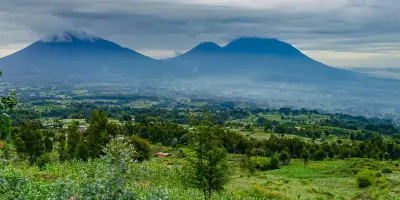
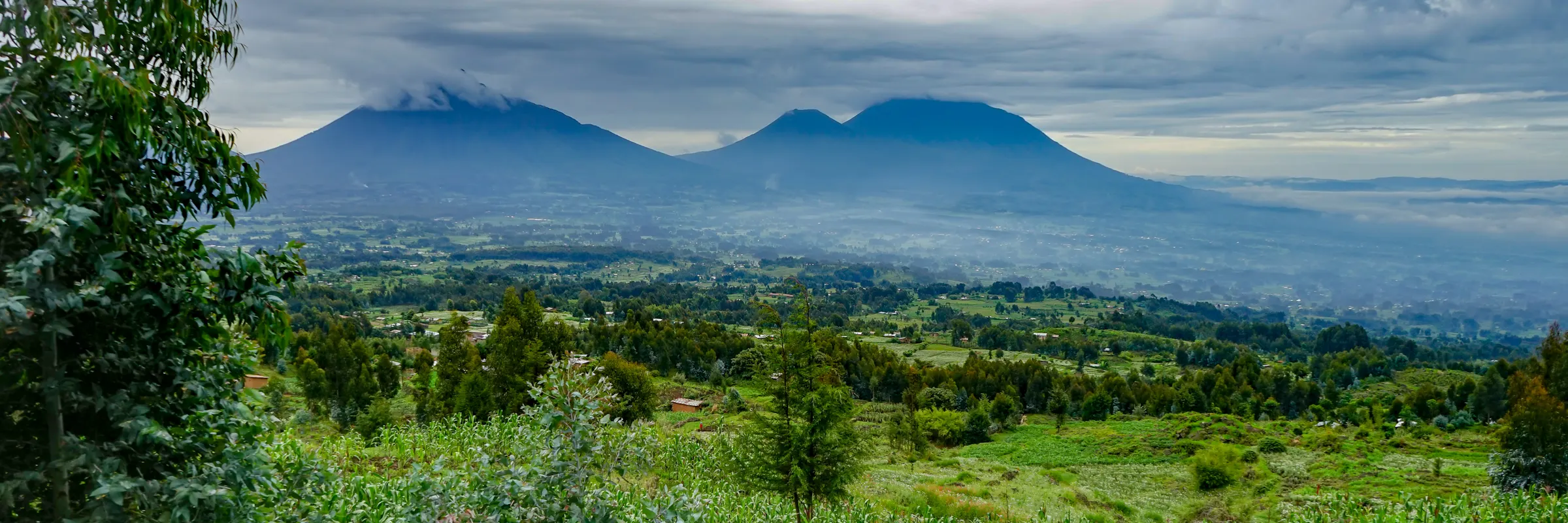
Kigali: the Virunga volcanoes and the terraced hills below them, two hours from the city
Photo: Nina R · CC BY 2.0
Rwanda

Kigali: how many days you need and the best months to go

Kigali sits at about fifteen hundred metres on a series of hills, which is why it never gets properly hot and why every street seems to be going up or down. It is small for a capital, it is one of the safest cities in Africa to walk around, and most visitors treat it as a transit stop and give it half a day — which is a mistake in one direction and, honestly, correct in another. Two days is right: one for the memorial and the city, one for what surrounds it. Then you go north.

Short answers

What people ask before booking

How many days do you need in Kigali?

Kigali needs one day for the genocide memorial and the city, and two to do it properly with the church memorials outside town or a walk through Nyamirambo. Most people are here because of the gorilla permit, which is booked long before the flight.

What is the best month to visit Kigali?

June, July, August and September — The long dry season, and the easiest trekking. January and February — The short dry season, quieter and cheaper.

Which months are worth avoiding in Kigali?

March and April — The long rains: the wettest months of the year. November — The short rains at their peak.

How many days Kigali needs

One full day covers the essentials honestly: the Kigali Genocide Memorial in the morning, the Nyamirambo quarter and a market in the afternoon, and dinner somewhere in the ridge-top restaurants. Kigali is not a city of monuments and it does not pretend to be.

Two days is the better number, and the second day is the one people skip. It buys the Nyamata and Ntarama church memorials outside the city, or the Ellen DeGeneres Campus and Dian Fossey exhibit, or simply the time to walk Nyamirambo slowly with a local guide, which is the single best thing on offer here. Anything longer and you should be heading north to the volcanoes or west to Lake Kivu.

The memorial, and how to visit it

The Kigali Genocide Memorial is the burial place of more than two hundred and fifty thousand people killed in the 1994 genocide against the Tutsi, and it is the reason most first-time visitors come to the city. It is a serious, extremely well-made museum and it is not a sight to fit between other sights.

Practical things that matter. Give it a minimum of two hours and put nothing after it; plan the rest of that day loosely, because people routinely find they want to stop. The audio guide is worth taking. Photography is restricted inside and the rules are posted; follow them. The upstairs section on children who were killed is the part most visitors are unprepared for. Entry is free with a fee for the audio guide, and it is entirely appropriate to leave a donation.

One thing about language: in Rwanda the event is called the genocide against the Tutsi, that phrasing is used officially and in the museum, and using it is a matter of basic respect rather than politics. Rwandans will often speak about it openly and directly if the subject comes up; follow their lead and do not open it yourself.

  • Kigali Genocide Memorial — the main site, with gardens and mass graves. Two hours minimum, and nothing scheduled after.
  • Nyamata and Ntarama — two church memorials south of the city, left largely as they were found. Far harder than the Kigali museum.
  • Nyamirambo — the oldest and liveliest quarter, best seen on a walking tour run by the women's centre there.
  • Kimironko market — the big city market: produce, fabric and tailors who will make something while you wait.
  • Inema Arts Centre — the anchor of a genuinely active contemporary art scene, with studios you can walk into.

The gorillas, and what the permit really means

Almost everyone who comes to Rwanda is going to Volcanoes National Park, two to three hours north, to spend one hour with a habituated family of mountain gorillas. The permit is expensive — one of the most expensive wildlife experiences in the world — and it is capped by number of visitors per day, so it books out months ahead in high season. Rwanda's price is deliberately high; Uganda's is lower for the same species, which is a real alternative worth knowing about.

What the money buys is not luxury. It is one hour, timed, with a group of eight people, after a hike that can be forty minutes or four hours depending on where the family moved overnight. You need proper boots, rain gear and a reasonable level of fitness, and porters are available and worth hiring. There is a minimum age. If you are ill, you will not be allowed to go — gorillas catch human respiratory infections, which is why masks are required at close range.

Golden monkey trekking in the same park costs a fraction and is genuinely good, and the Dian Fossey tomb hike is a hard half-day walk to the research site where she worked and is buried. Both are worth doing if the gorilla permit is out of reach or already booked.

Why the city feels different

Visitors notice three things within an hour of arriving. It is exceptionally clean — plastic bags have been banned since 2008, bags are confiscated at the airport, and on the last Saturday of the month there is a nationwide community cleaning morning called umuganda, during which traffic is limited and many businesses open late. Plan around that Saturday morning rather than being surprised by it.

It is very safe by any standard, including walking at night in central areas, which is not the case in most capitals on the continent. And it is orderly in a way that is immediately visible: moto-taxi passengers wear helmets, drivers stay in lanes, and there is very little street hustle. Rwanda is also a country where photographing government buildings, police or military is not acceptable, and where the state is present in ways that are worth being aware of. Ask before photographing people; it is expected.

Beyond Kigali, and how to combine it

Rwanda is small, which is its great practical advantage: you can cross the country in a day and nothing is more than a few hours from the capital. North is Volcanoes National Park for gorillas and golden monkeys, and the chain of volcanoes on the Congo and Uganda borders.

West is Lake Kivu, a large freshwater lake with no bilharzia and no crocodiles or hippos, so swimming is actually safe — it is where Rwandans go to relax, and the towns of Gisenyi and Kibuye are the usual bases. Southwest is Nyungwe, a large montane rainforest with chimpanzees and a canopy walkway, and east is Akagera, a savannah park that now has all of the big five after a long restoration. A good Rwanda trip is usually Kigali plus two of those, and ten days covers the country comfortably.

Practical things worth knowing before you land

The airport is fifteen minutes from the centre, which is unusual and pleasant. Visas are straightforward for most nationalities and there is an East Africa tourist visa covering Rwanda, Uganda and Kenya, which is worth looking at if you plan to combine countries. Yellow fever vaccination requirements depend on where you are arriving from.

Ride-hailing apps work well and moto-taxis are the local default; both are metered or app-priced, so the haggling that defines transport in many cities is largely absent here. Payment by card and by mobile money is widespread. English is an official language and widely spoken, French less than it used to be, and any attempt at Kinyarwanda is received warmly. Altitude means evenings are cool: bring a layer, whatever the guidebook photos suggest.

What to eat in Kigali, and where

Rwandan food is starch-led, gentle and cooked simply, and the everyday format is the buffet lunch: you pay by the plate and take what you want, which is how most of the country eats at midday. The coffee is the surprise.

  • Brochette

    What to order

    What to eat with a beer in the evening

    Grilled skewers of goat, beef or fish over charcoal, cut small, salted hard and served with grilled plantain or chips. This is the standard evening food across the country and it is what the bars are built around. Goat is the default; ask for it well done unless you are told otherwise.

    Check it on Wikidata
  • Isombe

    What to order

    The national dish, and it is a leaf

    Cassava leaves pounded fine and simmered for hours with onion, aubergine and often peanut, until they turn dark and thick. It is Rwanda's national dish, it takes real work to make, and there is no equivalent to compare it to — the closest relatives are elsewhere in the Great Lakes. Served with rice or the maize staple.

    Check it on Wikidata
  • Ubugali

    What to order

    The staple everything is served with

    A stiff dough of maize or cassava flour cooked with water and eaten by hand, torn off in pieces and used to pick up the stew. It is the plate and the cutlery at the same time, and it is what fills a Rwandan lunch. Almost flavourless on purpose; it carries whatever it is served with.

    Check it on Wikidata
  • Plátano de cocinar

    What to order

    The banana that is not a dessert

    Starchy green bananas, cooked as a vegetable rather than eaten raw, boiled or grilled and served alongside meat and beans. Confusing them with sweet bananas is the single most common visitor mistake here. They are also the base of the local banana beer, which is an acquired taste and worth one glass.

    Check it on Wikidata
  • Café arábica

    What to order

    The thing Rwanda is quietly excellent at

    High-altitude washed arabica, grown on the hills at fifteen hundred metres and above, with a bright acidity that specialty roasters compete for. For decades Rwanda exported all of it green and drank instant; the good cafés in Kigali are recent and they are very good. Buy beans here rather than at the airport.

    Check it on Wikidata

When to go, and what each month costs you

Rwanda sits on the equator, so temperature barely moves all year and rain is the only variable that matters. There are two dry seasons and two wet ones, not one of each, and the long rains are the ones that will affect a gorilla trek.

  • June, July, August and September

    Go now

    The long dry season, and the easiest trekking

    The driest stretch of the year, with firm trails, the clearest views of the volcanoes and the shortest, least muddy gorilla hikes. This is peak season: permits sell out months ahead and lodges are at their most expensive. Book the permit before anything else, including the flight.

  • January and February

    Go now

    The short dry season, quieter and cheaper

    A second dry window, warmer and greener than mid-year, with far fewer visitors and better permit availability. This is the best-value time to see gorillas. Rain is still possible — this is rainforest — but it comes in bursts rather than in days.

  • December

    Worth it, but

    The rains ease, and the holidays arrive

    The short rains are tailing off and the country is green, but the second half of the month is a holiday peak with prices to match. Trails are still soft. Good if you can travel in the first half rather than the second.

  • May

    Worth it, but

    The long rains ending

    The wettest stretch is finishing and conditions improve week by week, with the landscape at its greenest and very few visitors. Trails are still deep and a gorilla hike can be genuinely hard work. Cheap, and a real gamble on the second half of the month being better than the first.

  • October

    Worth it, but

    The short rains starting

    Afternoon storms return but mornings are often clear, and treks generally still go ahead. Prices drop from the peak and permits open up. A reasonable compromise if the dry season is fully booked.

  • March and April

    Think twice

    The long rains: the wettest months of the year

    The heaviest and most persistent rain, with muddy, slippery trails, longer treks and a real chance of being soaked for the whole hour with the gorillas. Rwanda holds its official genocide commemoration period from early April, during which the atmosphere is subdued nationwide and some businesses close or reduce hours. Plan accordingly.

  • November

    Think twice

    The short rains at their peak

    Rain most days, usually in the afternoon, with soft ground and unreliable views of the volcanoes. Cheaper and empty. It works if you are flexible and only mildly attached to staying dry.

Things that change the trip

  • Book the gorilla permit before the flight. Daily visitor numbers are capped, and the dry-season dates go months ahead.
  • Give the genocide memorial two hours and put nothing after it. Plan the rest of that day loosely.
  • Plastic bags are banned and are confiscated at the airport. Repack before you fly; this is enforced, not decorative.
  • The last Saturday of the month is umuganda, a national community work morning. Traffic is limited and many places open late.
  • Do not photograph government buildings, police or military, and ask before photographing people. Both are expected here.
  • Bring boots and rain gear for any trek, and a layer for Kigali evenings. Fifteen hundred metres on the equator is cooler than it sounds.

Plan Kigali and Rwanda

A trip that combines Kigali with Volcanoes National Park, Lake Kivu, Nyungwe or Akagera — with the permit date fixed and everything else built around it — is exactly what Premium is for. The free version covers one destination for up to three days.

Destinations