




Skip to content
Joru
Kansai, Japan

Kyoto

Kyoto is the strongest argument for planning a trip at all. The things you came for are scattered across a wide, low city, several of them at the end of a bus ride, and a day put together in the wrong order can lose you two hours in transit without you noticing until you are standing at a stop.

How many days, and why fewer is worse here

Three days is the honest minimum, and it will feel tight. Kyoto's sights are not clustered the way a European old town is: they sit in a ring around the edges of the city, in different directions, and each one wants half a day rather than an hour.

Four or five days is where Kyoto stops feeling like a checklist. It also opens up Nara and Osaka as day trips, both close enough to do without moving hotels — which is the shape Joru's day-trip planning exists for.

How the city is arranged

Kyoto is a grid on a valley floor with the interesting parts pushed to the hills on either side. That geography is the whole planning problem: two places can look adjacent on a map and belong to completely different days.

  • Eastern hills (Higashiyama) — the densest concentration of temples and the most walkable stretch. A day on its own, easily.
  • Central Kyoto — the grid, the market, the castle, and where most people sleep. Flat and easy.
  • North-west (Arashiyama and around) — far enough out that it needs its own half-day and a train, not a detour.
  • North — quieter temples and gardens, spread thin. Best combined deliberately, not stumbled into.

When to go, and what each month costs you

Kyoto has the same seasons as Tokyo but reacts to them far more sharply, because the crowd concentrates into a much smaller set of places. Two weeks of the year are genuinely spectacular and genuinely unbearable.

  • Late October and NovemberGo now

    The best month, and the autumn colour

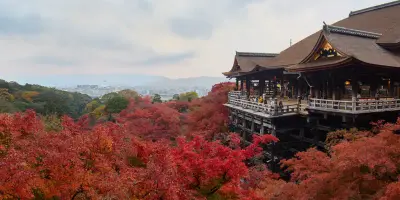
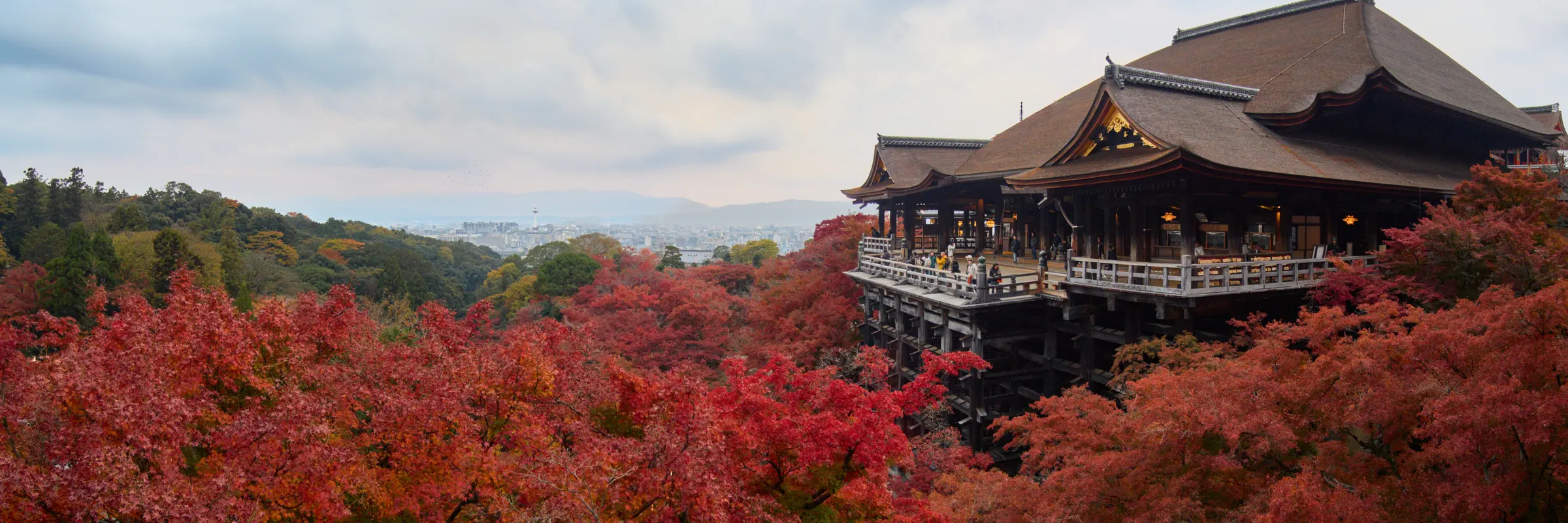
    Dry, clear and comfortable. Autumn colour peaks in Kyoto around the second half of November — a week or two earlier than Tokyo — and while the popular temples get busy, it is nothing like the spring crush.

  • Late February to mid-MarchGo now

    Cold, empty and genuinely pleasant

    The quietest useful window of the year. Cold mornings, clear light, plum blossom in late February, and temples you can actually stand in.

  • May and early JuneGo now

    Green, mild, after the rush

    Once Golden Week ends in the first week of May, Kyoto empties out and the gardens are at their best. One of the most underrated windows.

  • Late March to early AprilWorth it, but

    Hanami, at full price and full capacity

    Cherry blossom peaks somewhere in this window and moves by a week or two each year. Kyoto in bloom is worth seeing once. It is also the single most crowded thing you can do in Japan, hotels are booked months out, and the popular temples become queues.

  • June to mid-JulyThink twice

    Rainy season, in a valley

    Tsuyu is worse in Kyoto than in Tokyo because the valley traps humidity. Gion Matsuri, the city's major festival, runs through July and is a real reason to come anyway — but expect heat and crowds with it.

  • Late July and AugustThink twice

    The hottest city in the country

    Kyoto's basin geography makes it reliably hotter and more humid than the coast. Walking days become genuinely difficult, and the temples offer little shade.

Things that change the trip

  • Keep each day inside one geographic area. Eastern hills one day, Arashiyama another. Mixing them is the classic Kyoto mistake.
  • Buses are the main way to reach the temples and they get very full. Starting early is worth more here than anywhere else in Japan.
  • The most photographed sites are calm at opening and unbearable by mid-morning. The gap is about ninety minutes.
  • Many temples close in the late afternoon, earlier than you would expect. An evening plan needs to be a food plan, not a temple plan.
  • Nara and Osaka are both under an hour away, which makes a bad-weather day easy to redeploy.

Plan Kyoto before you land

A three-day Kyoto trip needs Premium; the free version covers one destination for up to three days. Either way, generation is unlimited and there is no account to start.

Destinations