

Skip to content
JoruJoru
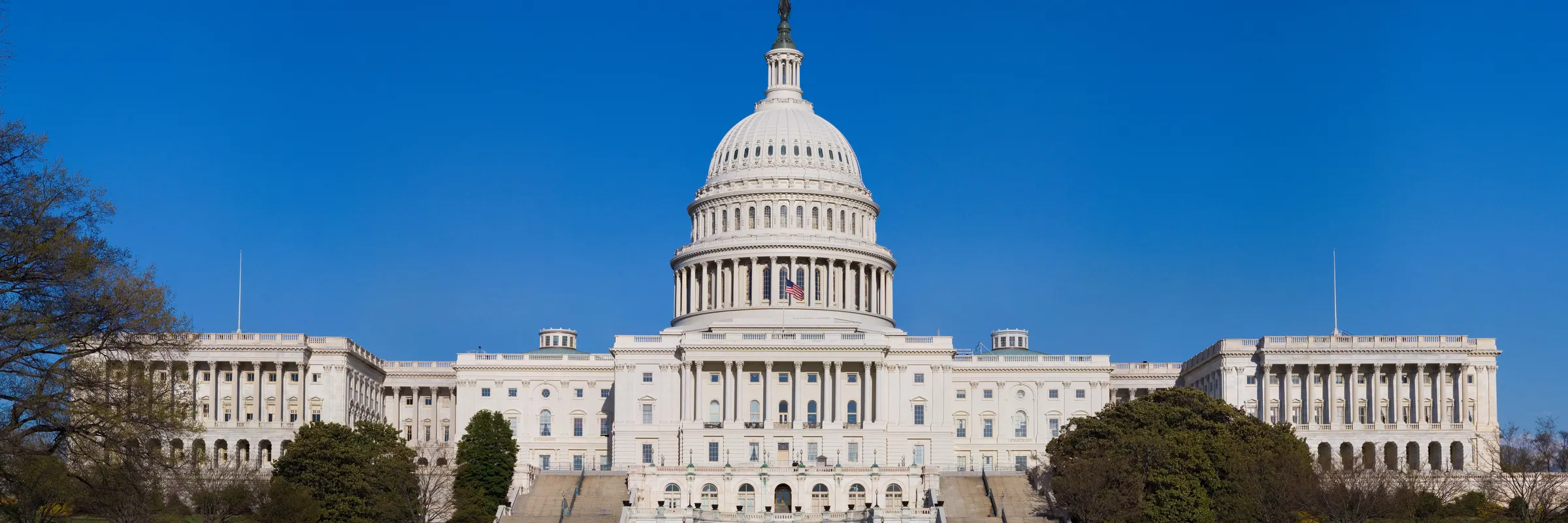
Washington: the west front of the Capitol
Photo: Noclip · Public domain
District of Columbia, United States

Washington DC: how many days you need and the best months to go

Washington was built to be a capital and looks it: no skyscrapers, wide avenues, long sightlines and a two-mile lawn with the national museums along both sides. Almost all of those museums are free, which changes how you plan a trip here more than any other single fact. Three days is the working figure. A fourth buys the neighbourhoods, which are where the city stops being a set of institutions and starts being a place people live.

Short answers

What people ask before booking

How many days do you need in Washington?

Washington needs three days: the Mall's monuments, two or three of the free museums, and the Capitol. A fourth should leave the Mall for the neighbourhoods behind it.

What is the best month to visit Washington?

April — The blossom month, and the best weather of the year. September and October — Warm days, cool evenings, no humidity.

Which months are worth avoiding in Washington?

July and August — Heat and humidity, and no shade on the Mall. December, January and February — Cold, grey, and the outdoor half of the city shut down.

How many days Washington needs

Three days is the honest figure: one for the Mall's monuments and memorials, one for two or three museums, and one for the Capitol, the archives and the government buildings if that is your interest.

The fourth day should leave the Mall. Georgetown, Adams Morgan, the U Street corridor and Eastern Market are all short Metro rides away and are the difference between visiting a capital and visiting a city. If you have a fifth, Arlington and Mount Vernon are across the river.

The museums are free, and that changes the plan

The Smithsonian Institution runs a large group of museums and the National Zoo, and admission to all of them is free — no ticket, no reservation for most, no time slot. So is the National Gallery of Art, which is not Smithsonian but works the same way.

The consequence is that you should plan for short visits and several of them, rather than one exhausting sweep. There is no sunk cost to justify: walk out after forty minutes if you have seen what you came for. Two museums a day, an hour or two each, is a far better trip than one museum from opening to close. A small number of the most popular buildings do use free timed passes in busy periods, which is worth checking a few days ahead rather than a few months.

The Mall is much bigger than the photographs suggest

The National Mall reads as one open space and is not one walk. From the Capitol steps to the Lincoln Memorial is about three and a half kilometres in a straight line, with the Washington Monument in the middle and no shade to speak of. Add the memorials on the Tidal Basin loop and a thorough day here is fifteen kilometres on foot.

That distance is the most common planning mistake in this city. In July, crossing it at midday is genuinely unpleasant. Split it: monuments early in the morning or in the evening — several are lit and open late, and they are better after dark — and museums in the middle of the day, when the air conditioning is the point.

  • Lincoln Memorial — at the far west end, and the one to see at night. The steps are where the 1963 march speech was given.
  • Vietnam Veterans Memorial — a black granite wall sunk into the ground, listing every name. The most affecting thing on the Mall.
  • Tidal Basin — the Jefferson, Roosevelt and King memorials on a loop around the water, and where the cherry trees are.
  • The Capitol — free tours, but they are booked in advance and the interior is worth the planning.
  • Arlington — across the river in Virginia: the cemetery, the changing of the guard and the view back over the city.

The cherry blossom, and the date nobody can promise

Japan gave the city three thousand cherry trees in 1912, and they are planted around the Tidal Basin. When they bloom, it is one of the best few days in any American city, and the date moves: peak bloom has fallen anywhere from the middle of March to the middle of April depending on the winter.

The National Park Service issues a forecast each year, refined as the buds develop, and peak bloom itself lasts only a handful of days. Booking a trip months ahead to catch it is a gamble — the festival is scheduled for a fixed window, but the trees are not on the same calendar. If the blossom is the reason for the trip, either book late or accept the odds.

How the city is arranged, and the address trick

Washington is a planned city on a grid of numbered and lettered streets, with diagonal avenues named after states cut across it. The whole grid is divided into four quadrants — NW, NE, SW, SE — radiating from the Capitol, and every address carries one. Ignore that suffix and you will end up on the right street corner in the wrong part of the city, several kilometres away. Most of what a visitor wants is NW.

The Metro is clean, quiet and genuinely useful, and the network was built to serve commuters from Maryland and Virginia rather than to crisscross the centre, so some short hops are faster on foot. There is also a height limit on buildings dating to 1910, which is why the skyline is flat and why the Washington Monument is still visible from most of the city.

The other Washington: neighbourhoods and Go-go

Away from the federal core the city is a real one, and for most of the twentieth century it was a majority Black city with a culture the Mall does not represent. U Street was the centre of Black cultural life in the segregated capital, known as Black Broadway, and Duke Ellington was born a few blocks away. The corridor still carries that history alongside the bars that came later.

The city also has its own music. Go-go, a percussion-driven funk built on continuous live performance, was created in Washington in the 1970s and exists essentially nowhere else; in 2020 it was made the official music of the District. Adams Morgan, Shaw and H Street carry the nightlife now, and Georgetown — older than the capital itself — carries the cobbles and the waterfront.

What to eat in Washington, and where

Two things define eating here and neither is what visitors expect: the Chesapeake Bay, an hour east, and an Ethiopian community that is the largest outside Ethiopia. The crab and the injera are the two genuinely local answers, and both are better than the museum cafés.

  • Half-smoke

    What to order

    The city's own sausage

    A coarse half-pork half-beef sausage, smoked before it is grilled, split and served with chilli on top. It is specific to Washington and effectively unknown elsewhere in the country, sold from lunch counters and street carts. The chilli is not optional; that is the dish.

    Check it on Wikidata
  • Ben's Chili Bowl

    Institution

    The institution to eat it in

    A diner on U Street that opened in 1958, stayed open through the 1968 riots when almost nothing else did, and became a fixture of the corridor's history as much as its food. It has an entry of its own precisely because it is a landmark rather than just a restaurant. Order the half-smoke and expect a queue.

    Check it on Wikidata
  • Blue crab

    What to order

    The crab, and the season

    Blue crab from the Chesapeake Bay, steamed under a heavy spiced salt crust and served whole on brown paper, to be broken open with a mallet by hand. It is a summer thing and it takes two hours — the picking is the meal. The crab cake is the same meat with the work already done.

    Check it on Wikidata
  • Injera

    What to order

    The bread you eat with instead of cutlery

    A large, soft, sour flatbread made from teff, spread across a communal platter with stews piled on it, torn and used to scoop. Washington has the largest Ethiopian community outside Ethiopia and the food here is the real thing, concentrated in Shaw and along Ninth Street. There is no cutlery and none is needed.

    Check it on Wikidata
  • Ethiopian cuisine

    What to order

    What to order at an Ethiopian table

    Spiced stews of lentil, split pea, collard and beef, served together on one platter to be shared. Ask for the vegetarian combination once: it is half a dozen dishes at once and it is how to learn what you like. Wednesdays and Fridays are traditional fasting days, when the vegan version is the default.

    Check it on Wikidata
  • Eastern Market

    Market

    The public market, and which one it is

    A brick public market on Capitol Hill, operating since 1873 and still a working market with butchers, produce and a weekend farmers' line outside. Note that a search for the name will offer you a Metro station, a district in Detroit and a market in Melbourne first — this is the one on Seventh Street SE. Saturday morning is the point.

    Check it on Wikidata
  • Adams Morgan

    Where to look

    The neighbourhood for the evening

    A dense, hilly neighbourhood north of downtown with the highest concentration of bars, restaurants and live music in the city, and a long history as the arrival point for the city's Ethiopian and Latin American communities. It is fifteen minutes from the Mall and belongs to a different city.

    Check it on Wikidata

When to go, and what each month costs you

Washington was built on low ground near a river and the summers show it: hot, still and very humid. Spring and autumn are excellent and short, and July and August are the reason the government used to leave town.

  • April

    Go now

    The blossom month, and the best weather of the year

    Mild, bright and green, with the Tidal Basin at its best and the whole city outdoors. Peak bloom moves between mid-March and mid-April depending on the winter, and it lasts only days — plan for the month, not the week. Busy and priced accordingly.

  • September and October

    Go now

    Warm days, cool evenings, no humidity

    The humidity breaks in September and the city becomes comfortable again, with clear light and the trees turning through October. Congress is in session so hotels are busier midweek, but the weather is the best of the year. The most reliable window if you cannot come in April.

  • May and June

    Worth it, but

    Warm and green, with the humidity building

    Long days and everything open, and school groups everywhere — this is peak field-trip season and the museums show it. The heat and damp build steadily through June. Mornings and evenings are still fine.

  • March

    Worth it, but

    Cold, cheap, and a chance at the blossom

    Grey and chilly with occasional real cold, and the lowest hotel prices of the spring. In a warm year the cherry trees peak inside this month, which is the reason to gamble on it. The museums are indoors and unaffected either way.

  • November

    Worth it, but

    Crisp, quiet and getting dark early

    Cool and often clear, with the crowds gone and the city easy to move around. The Mall is exposed and cold in wind. A good museum month with short daylight for everything else.

  • July and August

    Think twice

    Heat and humidity, and no shade on the Mall

    Hot, still and heavily humid, with afternoon thunderstorms and a Mall that offers almost no shade for its three and a half kilometres. Congress is in recess and the city empties, which is the one upside. Fourth of July on the Mall is a genuine spectacle and a genuinely difficult day to be there.

  • December, January and February

    Think twice

    Cold, grey, and the outdoor half of the city shut down

    Cold and often wet, occasionally with snow that the city handles badly. The museums are free, warm and empty, which is a real argument. But the monuments, the Basin and the walking — most of the reason to come — are miserable in it.

Things that change the trip

  • Plan two short museum visits a day, not one long one. They are free, so there is no sunk cost to justify staying.
  • Check the quadrant on every address. NW, NE, SW and SE repeat the same street names several kilometres apart.
  • See the monuments after dark. Several are lit and open late, they are far better at night, and it solves the shade problem.
  • Do not build a trip around the cherry blossom unless you can book late. Peak bloom moves between mid-March and mid-April and lasts days.
  • Leave the Mall for one day. U Street, Adams Morgan and Eastern Market are where the city rather than the capital is.
  • Book the Capitol tour in advance. It is free, it is genuinely good, and it is the one thing here that runs out.

Plan Washington and the coast around it

A trip beyond four days, or one that adds Baltimore, Annapolis, Philadelphia or New York with the trains and the museum days arranged around them, is exactly what Premium is for. The free version covers one destination of up to three days.

Destinations