


Skip to content
Joru
Italy

Rome

Rome is compact enough to walk almost entirely, which is why so many itineraries here fail: people plan a European-city amount of walking into a Mediterranean-summer amount of heat, and lose the afternoon of every day to it.

How many days Rome needs

Three days covers the ancient centre, the Vatican and enough of the neighbourhoods to feel like you were somewhere. A fourth day is what lets you slow down instead of route-marching between the big four.

Rome also rewards splitting the day rather than filling it: the classic local pattern of a long morning, a long lunch and a late evening is not laziness, it is an adaptation to the climate that a badly built itinerary ignores.

How the centre is laid out

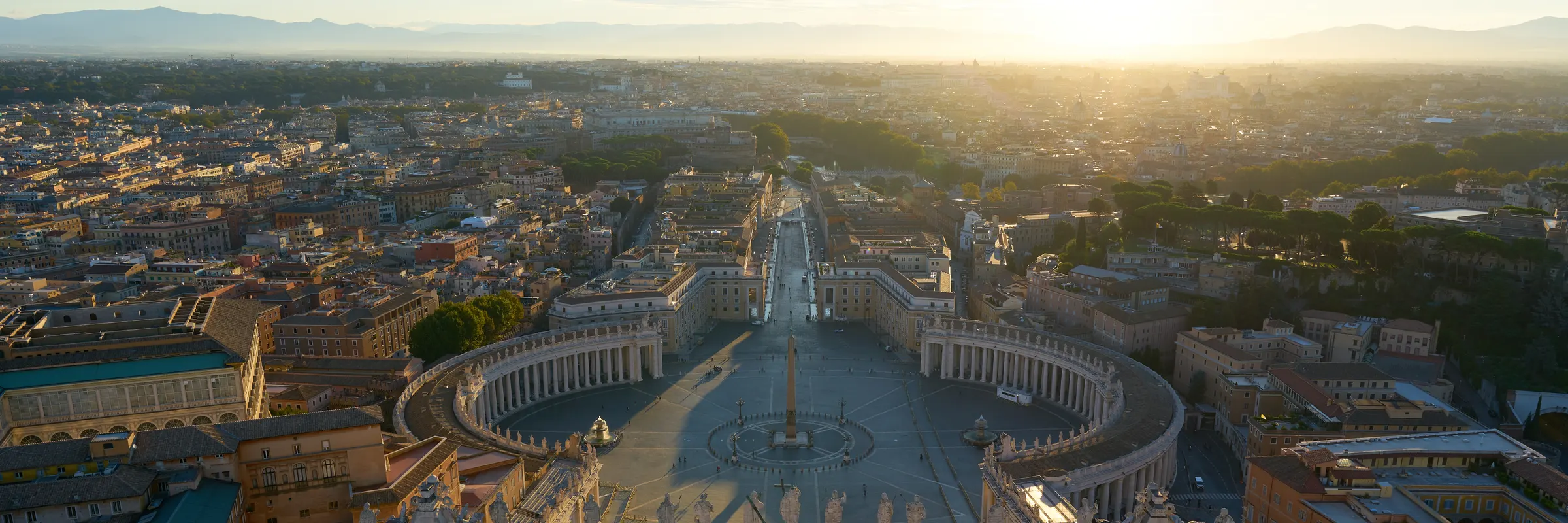
Almost everything you came for sits inside a walkable core, with the Vatican just across the river. The distances are short; the problem is that they add up in a way you feel by day three.

  • The ancient centre — Forum, Colosseum, Palatine. One long morning, and the least shaded part of the city.
  • The historic centre — Pantheon, Navona, Trevi. Dense, tangled, and best walked without a fixed route.
  • Vatican and Prati — across the river, and a half-day minimum with the museums.
  • Trastevere and Testaccio — where the evening happens, and where the food gets noticeably better value.

When to go, and what each month costs you

Rome's seasons are unusually consequential: the difference between April and August is not comfort, it is how many hours a day you can actually be outside.

  • April, May, early JuneGo now

    Warm, long days, everything open

    The best walking weather of the year. Note that Easter is a genuine exception — it moves between late March and late April, and the Vatican area becomes extremely crowded for the week around it.

  • Late September and OctoberGo now

    The quiet half of the good weather

    Still warm, noticeably emptier than spring, and the light is at its best. October brings some rain, usually in short bursts rather than whole days.

  • November to MarchWorth it, but

    Cold, cheap and empty

    The queues largely disappear and prices drop. Days are short and some outdoor sites are less pleasant, but for a trip built around interiors — churches, museums, food — this is arguably the best value of the year.

  • July and AugustThink twice

    Heat that takes half the day away

    Midday is genuinely hard outdoors, and the ancient sites have almost no shade. August adds the Italian holiday closure: many family-run restaurants and shops shut for two or three weeks, usually around mid-month.

Things that change the trip

  • Build the outdoor sites into the morning and the interiors into the afternoon. In summer this is not a preference, it is the difference between seeing the Forum and giving up on it.
  • The Vatican Museums and the major sites use timed entry. Book first, then build the day around the slot.
  • Dress codes at churches are enforced, including at some you will pass by chance. Covered shoulders and knees saves a wasted walk.
  • Restaurants immediately next to a major monument are the worst value in the city. Two streets away is a different price and a different meal.
  • Easter and any Jubilee year change the Vatican area completely. Check before assuming a normal week.

Plan Rome around the heat, not against it

A three-day Rome trip is inside the free version. Adding Florence or Naples in the same trip, with the transport between them, is what Premium is for.

Destinations