Skip to content
JoruJoru
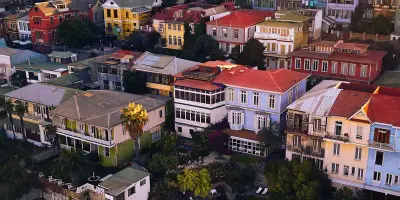
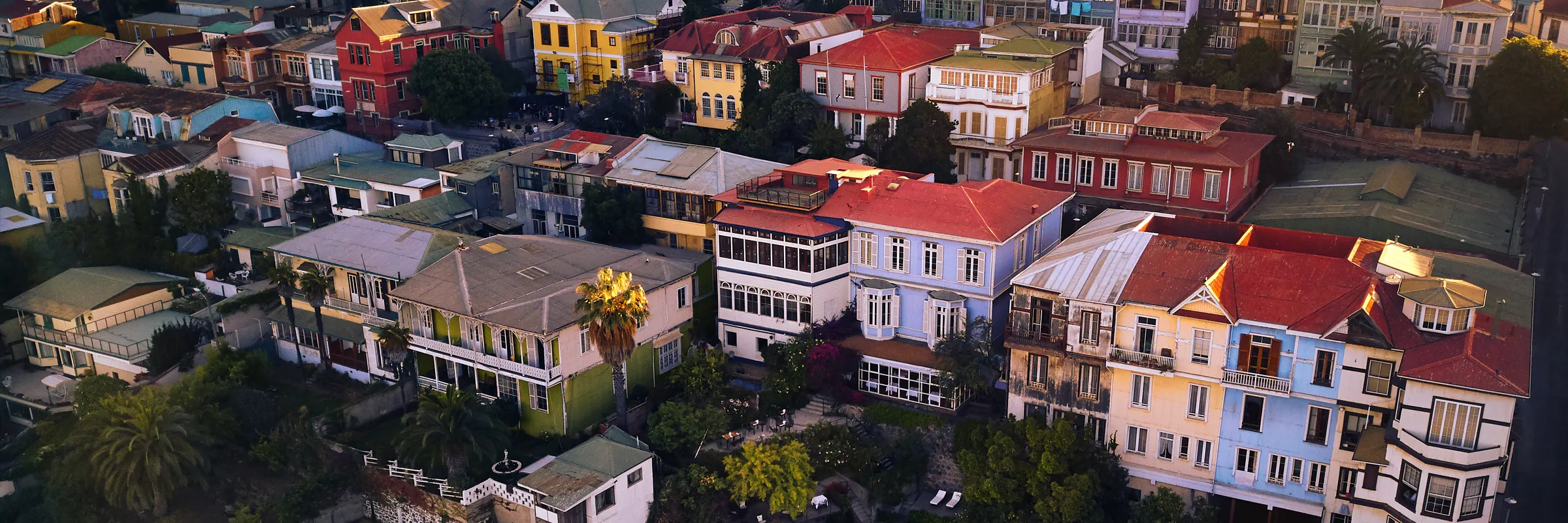
Valparaíso: The painted houses of Cerro Alegre
Photo: Deensel · CC BY 2.0
Valparaíso, Chile

Valparaíso: how many days you need and the best months to go

Valparaíso is a working port stacked up a natural amphitheatre of hills, with a flat commercial strip along the water and everything else climbing behind it on stairs, alleys and antique funiculars. It got rich as the last stop before Cape Horn, and the Panama Canal ended that in 1914 — the city has been half-declining and half-reinventing itself ever since. Two days is right for the hills. Three if you want Neruda, the wine valley or Santiago as a day trip in reverse.

Short answers

What people ask before booking

How many days do you need in Valparaíso?

Valparaíso needs two days, both spent walking: one for Cerro Alegre and Concepción, one for the port and the less polished hills. March and April are the best window — the Chilean holidays are over and the weather is still dry.

What is the best month to visit Valparaíso?

March and April — Autumn: warm, clear and empty. November — Spring: mild, dry and before the crowd.

Which months are worth avoiding in Valparaíso?

June, July and August — Winter: wet, grey and hard on a hill city.

How many days Valparaíso needs

Two days is the honest number and both of them are spent walking. One for Cerro Alegre and Cerro Concepción — the two adjoining hills with the murals, the restored mansions and most of the good restaurants — and one for the port, the flat centre and a second pair of hills, Bellavista and Cerro Polanco, which are less polished and more interesting.

A third day buys one of three things: Pablo Neruda's house La Sebastiana, up on a hill with the best window in the city; the Casablanca valley, the wine region halfway to Santiago, which does proper tastings; or Viña del Mar, the resort town fifteen minutes away that is Valparaíso's exact opposite — flat, modern, orderly, with beaches. Santiago is ninety minutes by bus, so this also works as the coastal half of a longer trip.

The canal that ended the boom

Before 1914 every ship sailing between the Atlantic and the Pacific went round Cape Horn, and Valparaíso was the first major port after the passage — which made it the financial capital of the Pacific coast. It had South America's first stock exchange, the continent's oldest Spanish-language newspaper still publishing, and a population of British, German and Italian merchants who built the hills.

The Panama Canal opened in 1914 and the traffic stopped coming. The city lost its reason to be rich almost overnight, and a century of decline followed: the grand buildings stayed and the money left. What you are walking through is the physical record of that — mansions turned into hostels, banks turned into bars, funiculars built for commuters now carrying tourists. UNESCO listed the historic quarter in 2003, and the tourism and the art scene that followed are the current chapter.

  • Cerro Alegre and Cerro Concepción — the two hills to walk first: murals, restored houses, restaurants, and the promenades looking over the bay.
  • The funiculars — Victorian wooden cars on rails up the cliffs, some over a century old. A few are restored and running; others are not.
  • La Sebastiana — Neruda's house on Cerro Bellavista, kept as he left it, with the view he chose it for.
  • The port and Plaza Sotomayor — the flat centre, the naval headquarters and the working docks. A different city from the hills above.
  • Cerro Polanco — a residential hill with a mural festival's worth of art and almost no visitors. The reason to stay a second day.

The hills, the stairs and the funiculars

The city has more than forty hills and the flat part is a narrow strip along the water; everything else is vertical. Between 1883 and the 1930s the port built ascensores — funicular lifts on rails — to carry people up the cliffs, and at the peak there were around thirty of them. Some are declared national monuments and a number have been restored and run today.

Use them, and use them as transport rather than as an attraction: they save you a climb of a hundred steps or more for a trivial fare, and riding up and walking down is the sensible way to do a hill. Which ones are running changes — restoration is ongoing and individual lifts close for works — so treat any specific list as provisional and check on the day. The rest of the vertical connection is stairs, and there are thousands of them. This city is genuinely hard on knees, and it is worth knowing before you book a hilltop apartment.

Safety, honestly

Valparaíso has a real reputation for petty crime and it is neither a myth nor a reason to stay away. Phone snatching and bag theft are the actual risks, they concentrate in specific places — the flat centre after dark, the area around the bus terminal, empty stair passages — and violent crime against visitors is rare.

The practical version: keep your phone out of your hand while walking, do not carry a visible camera in the port area at night, and take an Uber or a taxi after dark rather than walking down through unlit stairs. Cerro Alegre and Cerro Concepción are busy and fine in the evening. Beyond the tourist hills, walk in daylight. This is the same advice that applies in a dozen South American cities, and Valparaíso is not worse than most of them — it just has more dark staircases than most.

The art, and why it is everywhere

Valparaíso has the densest street art of any city in South America and it is not decorative in the ordinary sense. The city licensed and encouraged murals from the 1990s onwards, and Cerro Polanco runs a mural festival, so what covers the walls ranges from commissioned pieces by internationally known artists to neighbourhood work to political graffiti about the port and the water.

It changes constantly, which is the point and also the caveat: a mural photographed in a guidebook may well be painted over. Walk the hills without a checklist, and if a specific piece matters to you, expect to look for it. The corrugated iron helps — the houses are clad in sheet metal painted in the colours of ships' paint, because that is what the port had.

What to eat in Valparaíso, and where

Port food and Chilean comfort food, and one dish that was actually invented in this city: seafood off the cold Humboldt current is the local part, and the fried, piled-up plates are the port part. The market is where to eat cheaply and well.

  • Chorrillana

    What to order

    The dish this city invented

    A mountain of chips under sliced beef, fried onion and fried eggs, served on one platter and eaten by everyone at the table with forks. It was invented in a restaurant in this port and is named after a district of Lima, for the Peruvian cooks who made it. One order feeds three or four people. It is late-night food and it does not pretend otherwise.

    Check it on Wikidata
  • Completo

    What to order

    The everyday cheap thing

    A hot dog buried under mashed avocado, chopped tomato and a great deal of mayonnaise, which is the standard Chilean version and not a variation. The avocado is not optional — it is what makes it Chilean. Sold everywhere, eaten at any hour, and messier than it looks.

    Check it on Wikidata
  • Caldillo de congrio

    What to order

    The soup with a poem about it

    A conger eel stew with tomato, onion, potato and white wine, from the Chilean coast. Neruda wrote an ode to it, and his house on the hill above is a museum, which makes ordering it here slightly more pointed than usual. Rich, simple, and the best thing to eat on a grey coastal day.

    Check it on Wikidata
  • Machas a la parmesana

    What to order

    The starter to order at the port

    Razor clams in their shells under melted cheese and a splash of white wine, grilled until bubbling. The name says parmesan and the cheese usually is not, which nobody minds. It is the standard shellfish starter along this coast and it is best within sight of the boats that brought them in.

    Check it on Wikidata
  • Mercado Cardonal

    Market

    Where to eat well for very little

    The city's main produce market, in the flat part of town, with fruit and fish stalls below and a floor of small kitchens above cooking for the traders. That upstairs floor is the best cheap lunch in Valparaíso. Busy at midday, which is exactly when to go, and daylight hours only.

    Check it on Wikidata

When to go, and what each month costs you

The Humboldt current keeps this coast cool all year and the seasons are inverted: summer runs December to February, winter June to August, and the shoulder months are the best of it. The sea is cold in every month, whatever the calendar says.

  • March and April

    Go now

    Autumn: warm, clear and empty

    The best window of the year. The Chilean holidays end in early March and the city empties while the weather stays warm and dry, with clear light on the bay and none of the summer crowd. Prices fall back. If you can choose, come now — this is also when the wine valley is harvesting.

  • November

    Go now

    Spring: mild, dry and before the crowd

    Warming up, dry, and still ahead of the December rush, with long enough days for two hills and dinner. Comfortable walking weather, which matters more here than in most cities because you will spend both days climbing. Good value and no queues.

  • December, January and February

    Worth it, but

    Summer: warmest, busiest, and New Year is its own event

    The warmest and driest stretch, with everything open and the coast at full tilt — and Chilean summer holidays filling Viña del Mar next door. New Year's Eve here is a very large fireworks display over the bay and the city is booked out and gridlocked for it. Fine otherwise; just not the quiet version.

  • October

    Worth it, but

    Spring starting, still unsettled

    Warming and mostly dry, with rain still possible and the sea wind sharp. Cheap, quiet and perfectly workable, with the flowers out in the Casablanca valley. A reasonable choice if the dates are fixed, and slightly behind November on every measure.

  • May and September

    Worth it, but

    The edges of winter

    Cool, changeable and quiet, with rain arriving in May and receding in September. The city looks its most atmospheric under grey coastal cloud, and the murals do not care about the weather. Cheap. Take a waterproof and expect to lose an afternoon.

  • June, July and August

    Think twice

    Winter: wet, grey and hard on a hill city

    The wet season, with cold rain off the Pacific, short days and steep wet stairs everywhere. This is a city you experience by walking outdoors, and winter removes exactly that. Cheap and empty, and the museums and restaurants still work — but the hills, which are the point, are miserable in the rain.

Things that change the trip

  • Ride the funiculars up and walk down. They cost almost nothing, they save a hundred steps, and which ones are running changes — check on the day.
  • Keep your phone out of your hand in the street, and take a taxi after dark rather than walking down unlit stairs.
  • Walk Cerro Polanco as well as the two famous hills. It has as much art and almost no visitors.
  • Eat lunch upstairs at the Cardonal market. It is the best cheap meal in the city and it is daylight-hours only.
  • Pack shoes for stairs. There are thousands of them and the city is genuinely hard on knees; think twice about a hilltop apartment.
  • Do not book New Year's Eve casually. The fireworks over the bay are a national event and the city sells out for it.

Plan Valparaíso and central Chile

A trip that combines Valparaíso with Santiago, the Casablanca wine valley or the coast north of here — with the bus times, the funicular closures and the inverted seasons worked out around it — is exactly what Premium is for. The free version covers one destination for up to three days.

Destinations