Skip to content
JoruJoru
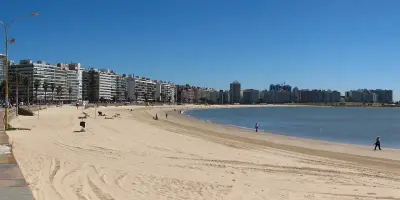
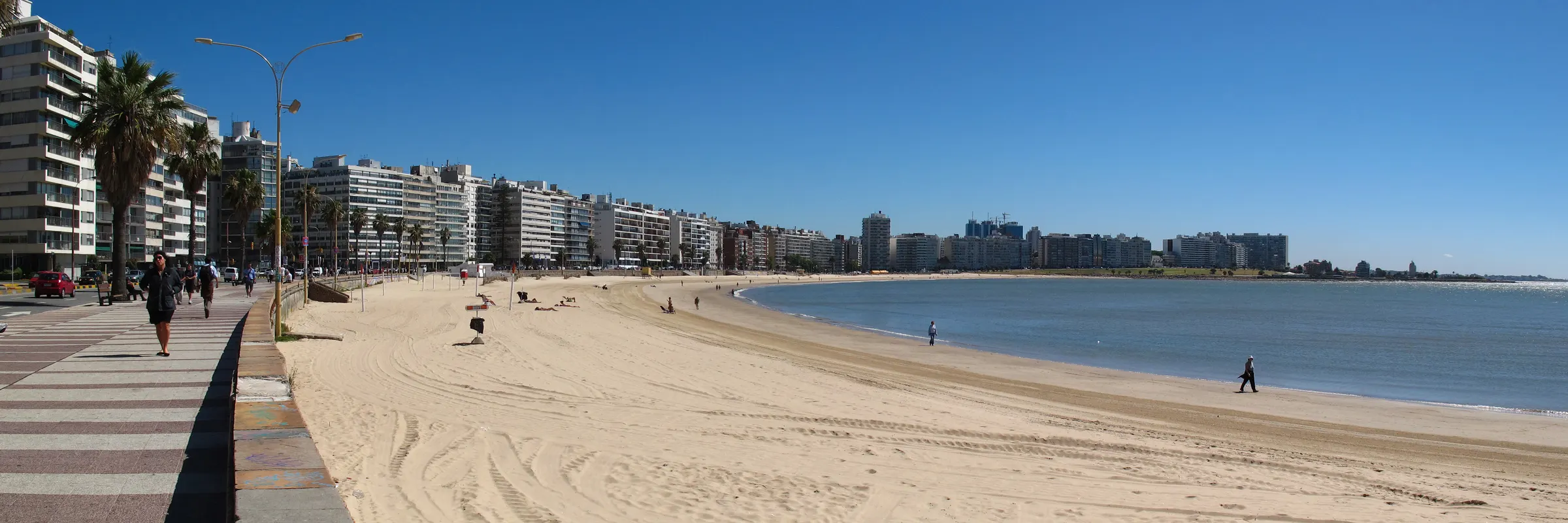
Montevideo: Pocitos beach and the rambla
Photo: Elemaki · CC BY 3.0
Uruguay

Montevideo: how many days you need and the best months to go

Montevideo holds nearly half of Uruguay's population and still feels like a large town. It sits on the north bank of the Río de la Plata, which is fresh water so wide you cannot see across it, and its defining feature is the *rambla*: a continuous seafront promenade running more than twenty kilometres past the city's own beaches. Two days covers what there is to see. The third day is for doing nothing on that promenade, which is what the city is actually for.

Short answers

What people ask before booking

How many days do you need in Montevideo?

Montevideo needs two days for the old town, the port market and the rambla, and a third for doing nothing on that seafront — which is what the city is actually for.

What is the best month to visit Montevideo?

December, January and February — Southern summer: the beaches on and carnival running. March — Summer weather without the summer prices.

Which months are worth avoiding in Montevideo?

May and September — Cold, damp and nothing in season. June, July and August — Winter: wind off the river and short days.

How many days Montevideo needs

Two days is enough for the sights: one for the Ciudad Vieja, the port market and the Plaza Independencia, and one for the rambla, Pocitos and a museum or two. The city is not large and nothing takes long.

The third day is the one that makes people like the place. Montevideo is not a checklist city; it is a place to sit on the seafront with a thermos, eat a long lunch and watch a football match. If your trip is two days here and three in Buenos Aires, you have the ratio backwards for what this city offers.

The rambla, which is the entire point

The seafront promenade runs continuously for more than twenty kilometres from the port around the whole southern edge of the city, past half a dozen city beaches, and it is where Montevideo actually happens. In the evening it fills with runners, fishermen, dog walkers, couples on the wall and hundreds of people carrying a thermos under one arm and a gourd in the other hand.

The water in front of it is the Río de la Plata, an estuary so wide the far shore is invisible; the colour is brown rather than blue, which surprises people, and it becomes properly clear at the eastern end of the city. The city beaches — Ramírez, Pocitos, Buceo, Malvín — are genuinely used by residents, not just looked at.

  • Pocitos — the classic city beach, backed by a wall of apartment towers. The most photographed stretch and the busiest.
  • Ciudad Vieja — the old town on the peninsula: colonial and art deco, the port market, and best in daylight.
  • Punta Carretas and Punta Gorda — the eastern headlands, quieter water and the lighthouse. Where locals walk on Sundays.
  • Barrio Sur and Palermo — the Afro-Uruguayan neighbourhoods where candombe drumming happens on the street. Go on a Sunday evening.
  • Prado — inland and green, with the botanical garden and the rose garden, and almost no visitors.

Carnival, and the record nobody expects

Montevideo holds the longest carnival in the world: it runs for around forty days, considerably longer than Rio's, and it is a genuine city-wide event rather than a tourist product. It begins in late January and runs through February, and the exact dates move with Easter each year, so check them rather than assuming.

Two things make it distinctive. The *tablados* are neighbourhood stages where troupes perform through the night across the whole city, and the *murga* is a choral form — twelve or so singers, three percussionists, elaborate makeup — that satirises the year's politics in songs written for that season. The other half is candombe: drumming brought by enslaved Africans, played on three drums of different pitch, recognised by UNESCO and still played in the street every week of the year in Barrio Sur and Palermo.

The city and the country behind it

Uruguay is small, flat and unusually stable, and the capital reflects that. It is one of the safest capitals in South America, it has legal frameworks that are liberal by regional standards, and the pace is slower than any of its neighbours. What that means for a visitor is a city with very little pressure in it.

It is also the natural base for the country. Colonia del Sacramento is about two and a half hours west, a Portuguese-founded UNESCO town of cobbled streets on the river. Punta del Este is two hours east and is where the region's summer money goes. Buenos Aires is a ferry across the estuary — a genuine day trip, though a long one.

Football, and how seriously to take it

Uruguay has about three and a half million people and has won the football World Cup twice, including the first one, which it hosted and won in 1930 in a stadium built for the purpose in this city. The Estadio Centenario is still in use, still holds the football museum, and is a reasonable visit even if the sport means nothing to you.

The city derby between Peñarol and Nacional is one of the oldest club rivalries anywhere, and both clubs predate almost every European giant. If there is a match on while you are here and you can get in safely, go: it is the loudest thing that happens in an otherwise very quiet city.

Mate, and why everyone is carrying a thermos

You will notice within an hour that a large share of the people around you are carrying a flask of hot water under one arm and a gourd with a metal straw in the other hand. Uruguay drinks more mate per person than any other country on earth, and it is drunk while walking, working and driving, not only sitting down.

It is shared: one gourd, one straw, refilled and passed around a group in turn, and passing it is the social act rather than the drinking. As a visitor you will be offered it eventually. Take it, drink the whole gourd — that is expected, not greedy — and hand it back to the person who is serving rather than to the next person along.

What to eat in Montevideo, and where

Uruguay eats beef, and it eats a great deal of it — it is one of the highest per-person beef consumers in the world. The distinctive things here are the wood-fired grill and the sandwich the country calls its own, and the wine is a genuine surprise.

  • Chivito

    What to order

    The national dish, and it is a sandwich

    A thin steak in a bread roll with ham, cheese, bacon, egg, lettuce, tomato and olives, and usually more. It is the national dish of Uruguay and it is enormous — the full version defeats most people. Ordering it *al plato*, without the bread, is normal and does not count as cheating.

    Check it on Wikidata
  • Mercado del Puerto

    Market

    The market that is really a room full of grills

    An iron market hall of 1868 in the old town, which stopped being a produce market and became a hall of wood-fired grills. It is a national historic monument, not a restaurant that can close, and the smoke and the noise are half the reason to go. Lunchtime, and expect to wait.

    Check it on Wikidata
  • Tannat

    What to order

    The wine nobody expects

    A dark, tannic red grape brought from south-west France in the nineteenth century, which found the climate here better than at home. Uruguay is now the largest producer of it in the world, and it is the national grape in a way that malbec is Argentina's. Ask for one from Canelones, just north of the city.

    Check it on Wikidata
  • Yerba mate

    What to order

    The drink that is not really a drink

    A bitter infusion drunk from a shared gourd through a metal straw, refilled from a thermos carried under the arm. Uruguay drinks more of it per person than any country on earth. It is a social ritual rather than a beverage; being offered it is being included, and finishing the gourd is the correct response.

    Check it on Wikidata
  • Dulce de leche

    What to order

    The sweet in everything

    Milk and sugar cooked down slowly to a thick caramel, and the base of most Uruguayan desserts, pastries and ice creams. The regional argument about whose it is has been running for a century and this page is not going to settle it. Try it in an alfajor, which is two soft biscuits with it in between.

    Check it on Wikidata

When to go, and what each month costs you

Montevideo has a mild Atlantic climate with no real extremes, and the deciding factor is not weather but the Uruguayan holiday calendar. In January the entire country is at the coast, and the capital is both emptier and more expensive.

  • December, January and February

    Go now

    Southern summer: the beaches on and carnival running

    Warm, long-lit and the rambla at its best, with the city beaches actually in use. Carnival begins in late January and runs about forty days, and the dates move with Easter. January is when Uruguayans leave for Punta del Este, so the capital is quieter and the coast is not.

  • March

    Go now

    Summer weather without the summer prices

    Still warm, the sea at its warmest of the year, the holiday crowd gone home and carnival finishing. Prices ease and the city is back to normal. The best single month here if you can choose one.

  • November

    Worth it, but

    Spring, cheap, and not yet beach weather

    Mild and green with long evenings, prices below summer and no crowds. The water is still cold and the rambla is for walking rather than swimming. Everything indoors is open and uncrowded.

  • April

    Worth it, but

    Autumn, quiet and comfortable

    Warm days and cool nights, the Prado and the parks turning, and hotel prices low. Some coastal businesses to the east close after Easter. A good, undramatic month.

  • October

    Worth it, but

    Unsettled, windy, and very cheap

    Changeable weather with wind off the river and prices at spring lows. The city works fine; the seafront half of it is a gamble. Reasonable if the trip is museums, food and football.

  • May and September

    Think twice

    Cold, damp and nothing in season

    Grey and chilly with a persistent wind off the estuary, and the rambla — most of the reason to come — unpleasant to be on. Prices are at their lowest and so is the reason to be here.

  • June, July and August

    Think twice

    Winter: wind off the river and short days

    The coldest and wettest stretch, rarely freezing but damp and windy in a way that gets into everything, with early dark. Indoor Montevideo — the market, the theatres, the football — carries on perfectly. What you lose is the promenade and the beaches, which is most of the city.

Things that change the trip

  • Give the city three days, not two. Montevideo rewards sitting still, and a two-day checklist trip misses what people actually like about it.
  • Walk the rambla in the evening. It is where the whole city goes, it costs nothing and it is the single most Montevidean thing you can do.
  • Check the carnival dates before booking February. It runs about forty days, the longest in the world, and the dates move with Easter.
  • Take the mate if you are offered it, and finish the gourd. Handing it back half-drunk is the mistake, not drinking all of it.
  • Eat lunch at the port market, not dinner. It is a lunch place, it is busiest and best then, and the smoke is half the point.
  • Add Colonia del Sacramento if you have a spare day. It is two and a half hours west and the cobbled quarter is worth the ride.

Plan Montevideo and the Uruguayan coast

A trip beyond three days, or one that adds Colonia, Punta del Este, the thermal towns or a ferry across to Buenos Aires with the seasons arranged around them, is exactly what Premium is for. The free version covers one destination of up to three days.

Destinations