



Skip to content
Joru
Singapore

Singapore

Singapore is the rare destination where seasonal planning almost does not apply: it sits close to the equator, so the temperature is much the same in January as in July. What changes is rainfall, price and one specific air-quality risk — and those are worth knowing about.

How many days Singapore needs

Two days covers the city comfortably and three is generous. It is compact, the metro is excellent, and the distances are short — which makes it an unusually easy first stop or stopover in Asia.

The mistake is treating it as a checklist of attractions. The districts are the interesting part, and they are close enough together that a day of walking between two or three of them beats a day of ticking off sights.

How the city is arranged

Everything of interest sits within a small area around the river and the bay, connected by a metro that goes almost everywhere and runs on time.

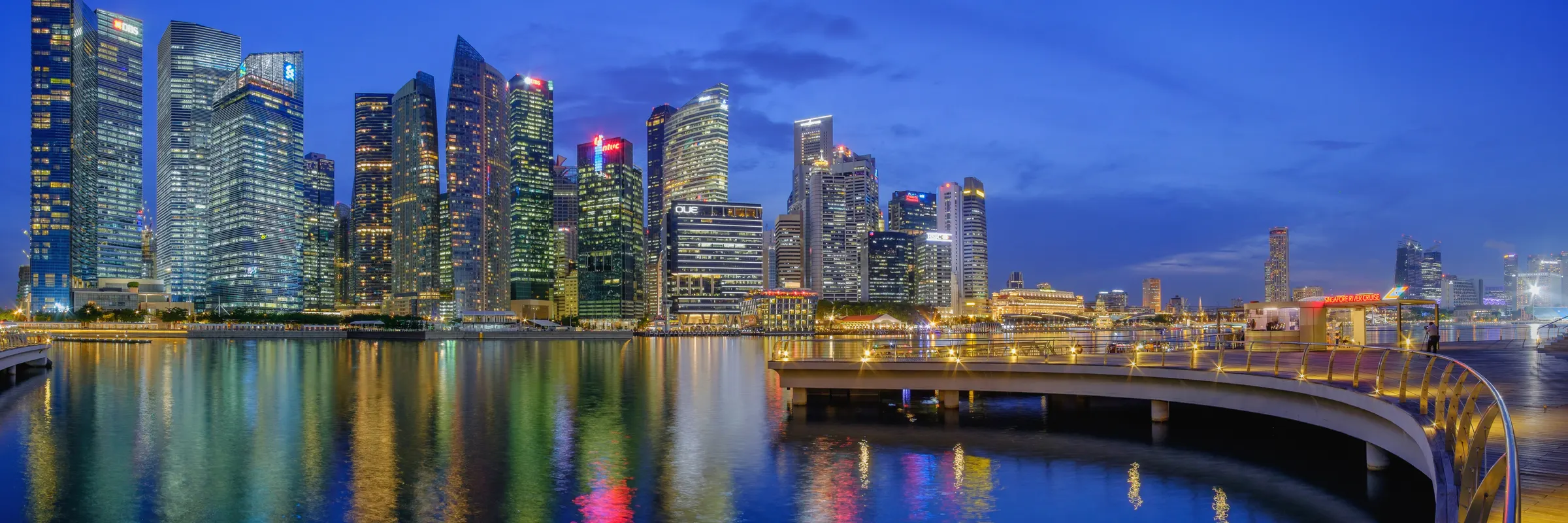
  • Marina Bay and the CBD — the postcard skyline, the gardens, and the waterfront walk.
  • Chinatown, Little India, Kampong Glam — three distinct historic quarters, each walkable and each a food destination.
  • Orchard — shopping, and mostly indoors, which matters more here than it sounds.
  • Sentosa and the south — the resort island. Worth half a day if that is your kind of trip, skippable if not.

When to go, and what actually varies

Temperature is effectively constant year-round: hot and humid, every month. What varies is how much it rains, how expensive it is, and one seasonal risk that is worth checking before you book.

  • February to AprilGo now

    The driest stretch of the year

    Still hot and humid, but with the least rain and the most reliable days. As close to a 'best season' as this city has.

  • May to JulyGo now

    Warm, drier than autumn, and busy with events

    Reliable weather and a dense events calendar. Prices rise around major events, which is worth checking against your dates.

  • August to OctoberWorth it, but

    Watch for regional haze

    Weather is fine, but this is when smoke from agricultural fires elsewhere in the region can drift over and push air quality down for days at a time. It varies enormously year to year — some years there is none at all — but it is worth checking the forecast rather than assuming.

  • November to JanuaryWorth it, but

    The wet monsoon, and peak prices

    The wettest months, usually as heavy afternoon downpours rather than constant rain. It is also the busiest and most expensive period, especially around the turn of the year.

Things that change the trip

  • Plan for the humidity, not the temperature. Two hours outside here is more tiring than four in a dry climate; build indoor stops into every afternoon.
  • Hawker centres are the food story of the city and are cheap, regulated and excellent. They are not a budget compromise.
  • The metro reaches almost everything and is far more pleasant than walking in the middle of the day.
  • Singapore has strict, genuinely enforced rules on things many countries treat casually — including what you can bring in. Worth two minutes of reading before you fly.
  • It works extremely well as a two-day stopover between long flights, which is often the best way to use it.

Plan Singapore in an afternoon

Two or three days in Singapore is inside the free version: one destination, up to three days, no account.

Destinations