Skip to content
JoruJoru
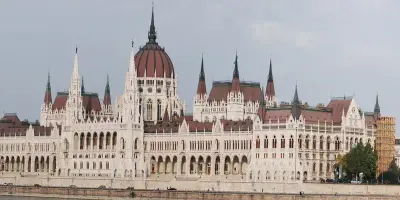
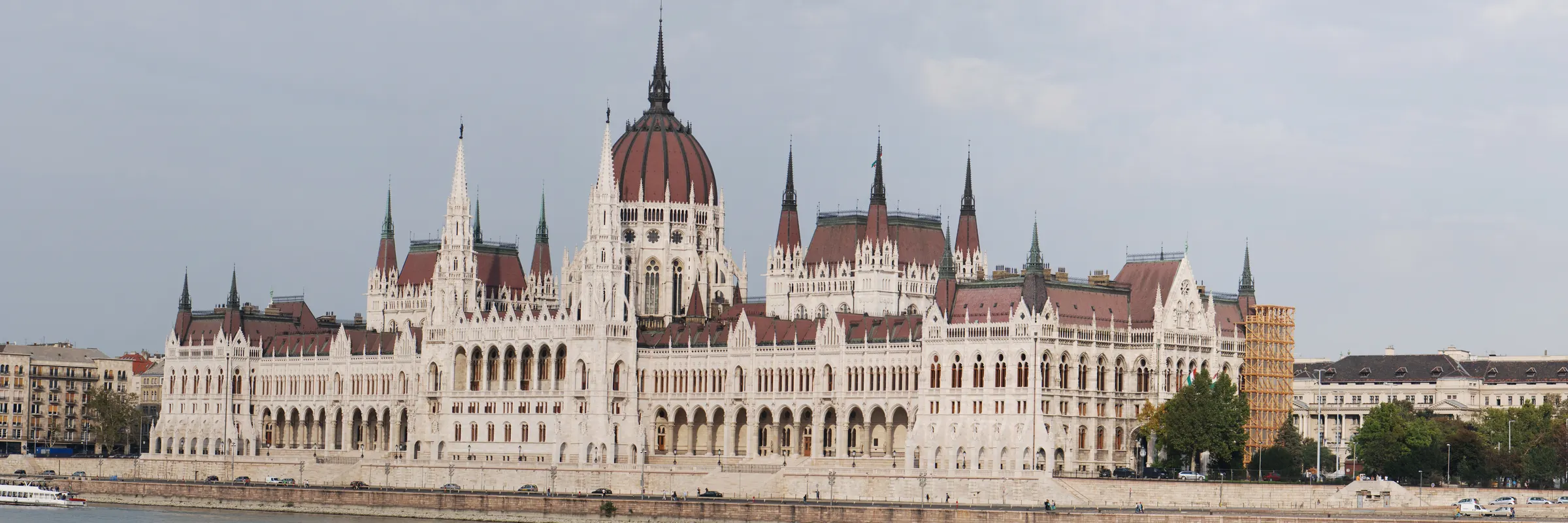
Budapest: the Parliament from across the Danube
Photo: Thomas Quine · CC BY 2.0
Budapest, Hungary

Budapest: how many days you need and the best months to go

Buda is the hill with the castle; Pest is the flat side with the boulevards, the cafés and most of the people. They became one city in 1873, and the Danube between them is still the thing that organises everything. What makes Budapest unlike anywhere else in central Europe is underneath it: the city sits on a fault line that pushes up thermal water, and it has been bathing in it since the Romans. Three days covers both banks. A fourth is the baths without hurrying, which is the point.

Short answers

What people ask before booking

How many days do you need in Budapest?

Budapest needs three days — one for Pest, one for the castle hill, one for a thermal bath — and a fourth for a second bath without a schedule, which is what the city is actually for.

What is the best month to visit Budapest?

May and June — Warm, long evenings, and the terraces open. September — Summer warmth without the summer crowds.

Which months are worth avoiding in Budapest?

November — The grey month, before the markets open. March — Cold, wet and nothing has started yet.

How many days Budapest needs

Three days is the working figure: one for Pest and its boulevards, one for the castle hill and the views back across the river, and one for a bath and whatever the bath leaves you the energy for.

The fourth day is where the trip improves rather than lengthens. It goes to a second bath, to a district with nothing to see in it, or to the Danube bend an hour north — and the best version is usually the first of those, because two hours in thermal water is a different experience from ninety minutes with a schedule.

Buda and Pest, and which side you want

The two halves are genuinely different places and the difference survives a hundred and fifty years of being one city. Buda is hilly, residential, quiet and holds the castle, the old town and the best views; Pest is flat, dense, loud and holds the boulevards, the ruin bars, the market and almost everything you will actually do.

The practical consequence is that the views are from Buda and the life is in Pest, and the bridges between them are short. Most visitors stay in Pest and cross for the day, which is the right way round.

  • District V (Belváros) — the inner city on the Pest side: the parliament, the basilica, the river promenade and the smartest streets. Central, safe, and priced accordingly.
  • District VII (Erzsébetváros) — the old Jewish quarter, the ruin bars and the densest eating and drinking in the city. Loud until very late, which is the point and also the warning.
  • District I (Várnegyed) — the castle hill in Buda: the palace, the old streets, the fisherman's bastion and the views. Beautiful, and it empties in the evening.
  • District VIII and IX — the parts of Pest that were rough and are now where residents eat. Cheaper, more real, and a tram ride from everything.
  • Margaret Island — a park in the middle of the Danube with no traffic on it, a running track and a bath at one end. The city's release valve.

The baths, and how to use one

Budapest sits over more than a hundred thermal springs, and the bathing culture runs continuously from the Romans through four hundred years of Ottoman rule to the grand nineteenth-century houses that people picture. This is not a spa treatment; it is a civic habit — people play chess in the water at nine in the morning on a Tuesday.

There are two families of bath and choosing between them is most of the decision. The Ottoman ones are small, domed, dim and quiet. The Habsburg-era ones are enormous, neo-baroque and full. Both are open all year and both are best in winter, when the outdoor pools steam and the cold makes the water make sense.

  • Take flip-flops, a towel and a swimming cap. The first two you can hire at a cost; the cap is required in the lap pools and nowhere else.
  • The big Habsburg baths have an outdoor pool that runs all winter. That is the photograph everyone has seen, and it is genuinely better in the snow.
  • The Ottoman baths are four hundred years old and much smaller. Some have single-sex days; check which before you plan around one.
  • Go on a weekday morning. Weekends after midday are full, and some baths run parties at night that are a different product entirely.

The language, and why none of it looks familiar

Hungarian is not related to German, Slavic or Romance languages, or to almost anything else in Europe. It is a Uralic language, and its nearest relatives are Finnish and Estonian — which are themselves so distant that speakers cannot understand each other. The practical effect is that a traveller with school French and some German gets no free words at all: not the numbers, not the days, not *thank you*.

This matters less than it sounds. English is widespread in the centre and among younger people, and menus in the tourist areas are translated. Away from the middle it thins out quickly, and the two words worth memorising are *köszönöm* — thank you — and *egészségedre*, which is what you say before drinking and which nobody expects you to pronounce correctly.

The ruin bars, and what they actually are

In the early 2000s a group of people took over an abandoned building in the old Jewish quarter, filled it with salvaged furniture and opened a bar without renovating anything. The formula — a derelict courtyard block, mismatched junk, cheap drinks and no interest in looking finished — spread across District VII and became the thing Budapest is known for at night.

The originals are still there and still worth going to. What has changed is the scale: the quarter is now a stag-party destination, the largest bars are effectively nightclubs, and the residents who live above them have been fighting the noise for years. Go early in the evening when it is a bar rather than a queue, and go to a small one.

Practical things that catch visitors

The airport transfer is the one that costs people money. There is an official taxi company with a fixed-price rank outside arrivals, and taking any other car is where the overcharging happens — this is a long-standing and well-documented problem. The public bus and metro combination works and is a fraction of the fare.

The other thing is money. Hungary is in the European Union and does not use the euro; the currency is the forint, prices are quoted in it, and places that accept euros do so at a rate designed to punish you. Change at a proper exchange office in the centre rather than at the airport or a hotel.

  • Use the official airport taxi rank or the public transport. Accepting a ride from someone who approaches you in the terminal is the classic mistake here.
  • Pay in forints. Anywhere quoting euros is applying its own exchange rate, and it is never in your favour.
  • Validate your ticket before boarding, and keep it. Inspectors work the metro escalators and the fines are immediate.
  • Tipping is around ten per cent and is often already added as a service charge on the bill. Check before adding a second one.

What to eat in Budapest, and where

Hungarian cooking is built on one ingredient that arrived late and took over completely. Paprika only reached Hungary in the seventeenth century and is now in almost everything, and the rest of the kitchen is meat, sour cream, dumplings and a serious quantity of it.

  • Gulyás

    What to order

    The national dish, and the thing foreigners get wrong

    Beef and vegetables cooked slowly with a great deal of paprika. Outside Hungary this is a thick stew; here it is a soup, and the thick version has a different name. It was herdsmen's food cooked in a cauldron over a fire, which is why the good versions still taste of smoke and time rather than of sauce.

    Check it on Wikidata
  • Lángos

    What to order

    The street food, and the topping that sounds wrong

    A disc of deep-fried dough the size of a plate, eaten hot from a stall. The standard dressing is sour cream and grated cheese, with a garlic rub underneath, and it is far better than that description suggests. Sweet versions exist and are not what anyone here orders.

    Check it on Wikidata
  • Kürtőskalács

    What to order

    The chimney cake, and where it is not from

    A ribbon of sweet dough wound around a wooden cylinder, rolled in sugar and baked over coals until the outside caramelises. It is Transylvanian in origin rather than strictly Hungarian, and the version filled with ice cream that has spread across Europe is a recent invention. Eat it plain and hot, unwinding the spiral.

    Check it on Wikidata
  • Paprika

    What to order

    The ingredient that defines the whole kitchen

    Dried, ground red pepper, which reached Hungary via the Ottomans and became the base of the national cooking. Buy it in the market rather than at a souvenir stall, and know that the choice is between sweet and hot rather than between brands. It loses its colour and its point within a year, so buy less than you think.

    Check it on Wikidata
  • Tokaji

    What to order

    The sweet wine that kings wrote about

    A sweet wine from the volcanic hills in the north-east, made from grapes deliberately left to be attacked by a benign mould that concentrates the sugar. Its wine region was demarcated in 1737, one of the first anywhere in the world, and Louis XV is supposed to have called it the wine of kings. Dry versions exist and are excellent and almost never exported.

    Check it on Wikidata
  • Nagyvásárcsarnok

    Market

    Where to buy the paprika and eat upstairs

    The great iron-and-tile market hall by the river, opened in 1897 and restored in the nineties. Produce and butchers on the ground floor, food counters on the upper gallery, and the paprika, salami and honey that people take home. Busy with visitors and still used by residents; go early for the second.

    Check it on Wikidata
  • Romkocsma

    Where to look

    The category of place, not one address

    A bar in a building that was left to fall down and then filled with salvaged furniture, rather than renovated. The first opened in 2002 in the old Jewish quarter and the format spread across the district. The small ones are still what the idea was; the biggest are now nightclubs with a queue.

    Check it on Wikidata

When to go, and what each month costs you

Budapest has a continental climate: hot summers, cold winters and two short shoulders that are the best of it. The unusual thing here is that winter has a genuine argument — the outdoor thermal pools are better in the cold, and the city is at its cheapest and emptiest exactly when they are.

  • May and June

    Go now

    Warm, long evenings, and the terraces open

    The best window: warm without the August heat, light until late, the river promenades and the island in use and the festival season starting. Prices are high and the city is busy. Worth it.

  • September

    Go now

    Summer warmth without the summer crowds

    Warm days, cool evenings, the wine harvest in the hills and the cultural season restarting. Fewer visitors than June and slightly cheaper. The single best month if you only get one.

  • April and October

    Worth it, but

    Unpredictable, cheaper, and everything open

    Both swing between mild and raw without much warning. The baths, the museums and the restaurants are unaffected and prices drop noticeably. Easter moves between late March and late April and fills the city when it lands.

  • July and August

    Worth it, but

    Hot, crowded, and the city half-empties

    The warmest and busiest weeks, with festivals and the island in full use. The catch is the heat in a city with a lot of stone and not much shade, plus locals leaving town. The outdoor baths become a swimming pool rather than a thermal experience.

  • December, January and February

    Worth it, but

    Cold and grey, and the baths are at their best

    Short days, frequent cloud and real cold — and the season when sitting in thirty-eight degree water outdoors in the snow makes complete sense. Christmas markets run from late November. This is the cheapest the city gets, and the one argument for winter anywhere on this site.

  • November

    Think twice

    The grey month, before the markets open

    Damp, dark by mid-afternoon and without either October's colour or December's markets, which mostly start in the last week. The baths still work. Everything else is a compromise.

  • March

    Think twice

    Cold, wet and nothing has started yet

    The tail of winter without the winter appeal: too cold for terraces, too grey for the river, and the spring festivals not yet running. Prices are at their lowest alongside November. The baths are the reason to come and the only one.

Things that change the trip

  • Take the official taxi rank or public transport from the airport. Anyone approaching you inside the terminal is the overcharge.
  • Go to a bath on a weekday morning. Weekend afternoons are full and some baths run night parties that are a different thing.
  • Pay in forints, always. Anywhere quoting euros is setting its own rate and it is never in your favour.
  • Stay in Pest and cross for the views. The life is on the flat side and the panorama is from the hill.
  • Winter is a real option here, which is rare in central Europe. The outdoor thermal pools are better in the cold and the city is at its cheapest.
  • Buy paprika in the market hall rather than at a souvenir stall, and buy less than you plan to. It fades within a year.

Plan Budapest and the Danube around it

A trip longer than four days, or one that adds Vienna, Bratislava or the Danube bend with the trains between them, is exactly what Premium is for. The free version covers one destination of up to three days.

Destinations