
Skip to content
Joru
Czechia

Prague

Prague's historic core is genuinely small — you can cross it in half an hour — and that is exactly the problem. The entire visitor load of a major European capital funnels through a handful of streets, so the difference between a good trip and a frustrating one is largely a question of when you show up.

How many days Prague needs

Two days covers the castle side and the old town properly. A third turns it into a real trip: the neighbourhoods outside the centre are where the city stops performing for visitors, and they are twenty minutes away by tram.

Because the core is so compact, Prague rewards planning by hour more than by area. The same square is a different place at eight in the morning and at two in the afternoon.

How the city is laid out

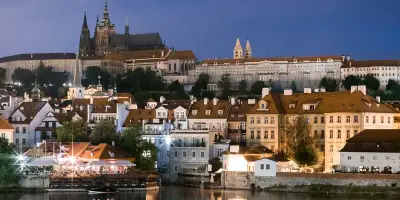
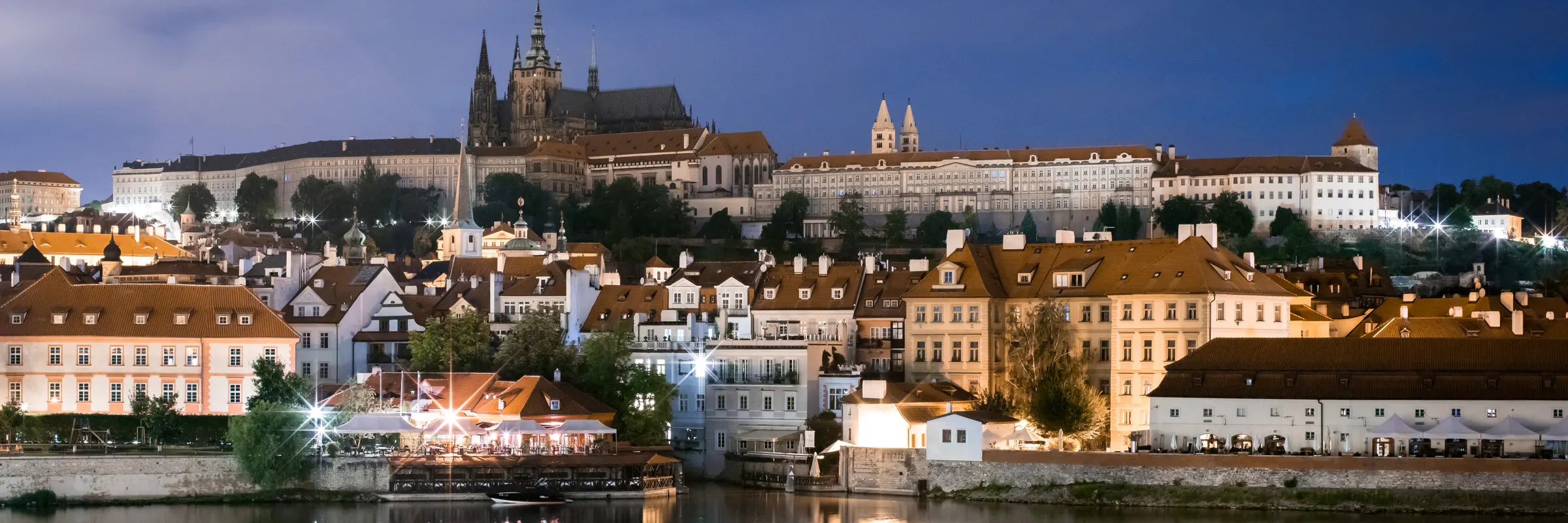
The river splits the city into two halves that feel completely different, joined by a bridge that is itself one of the busiest points in the country.

  • Staré Město and Josefov — the old town and the Jewish quarter. Dense, and the epicentre of the crowd.
  • Malá Strana and the castle — across the river and uphill. A half-day, and better started early.
  • Nové Město — the 'new' town, which is six hundred years old, wider streets and where daily life happens.
  • Vinohrady and Žižkov — outside the centre, where the food and the prices become normal again.

When to go, and what each month costs you

Prague has a real winter and a genuinely crowded summer, and the shoulder months in between are noticeably better than either.

  • May, June, SeptemberGo now

    Long days without peak density

    Warm enough for the terraces, long light, and the old town still passable if you start early. September is marginally the quieter of the three.

  • April and OctoberGo now

    Cool, cheap and much emptier

    Fewer people by a wide margin, and the city looks better under low autumn light than under high summer sun. Bring a layer; the mornings are cold.

  • DecemberWorth it, but

    Christmas markets, and everyone who came for them

    The markets are genuinely good and genuinely packed, and prices in the centre rise accordingly. Days are very short, which limits how much you can see.

  • January and FebruaryWorth it, but

    Cold, dark and almost empty

    Properly cold and with little daylight, but the old town is briefly a normal place again and prices are at their lowest. Good for a short, interior-heavy trip.

  • July and AugustThink twice

    Maximum crowd in minimum space

    The weather is fine; the density is the issue. The Charles Bridge and the old town square are at their worst, and the centre's prices peak with them.

Things that change the trip

  • Do the bridge and the old town square before nine in the morning. It is a different city, and the only reliable way to see either without a crowd.
  • Currency exchange booths in the centre are a well-known tourist trap with terrible rates. Use a card or a bank.
  • Restaurants on the main squares charge several times what the same food costs three streets away, and often add cover charges.
  • The castle complex is large and mostly outdoors. Give it a half-day and check which parts need a ticket.
  • Trams are fast, frequent and cover the whole city. The metro is less useful here than the tram network.

Plan Prague by the hour, not just the day

Two or three days in Prague is inside the free version: one destination, up to three days, no account.

Destinations