
Skip to content
JoruJoru
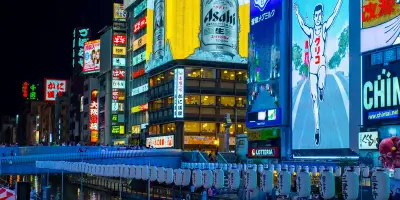
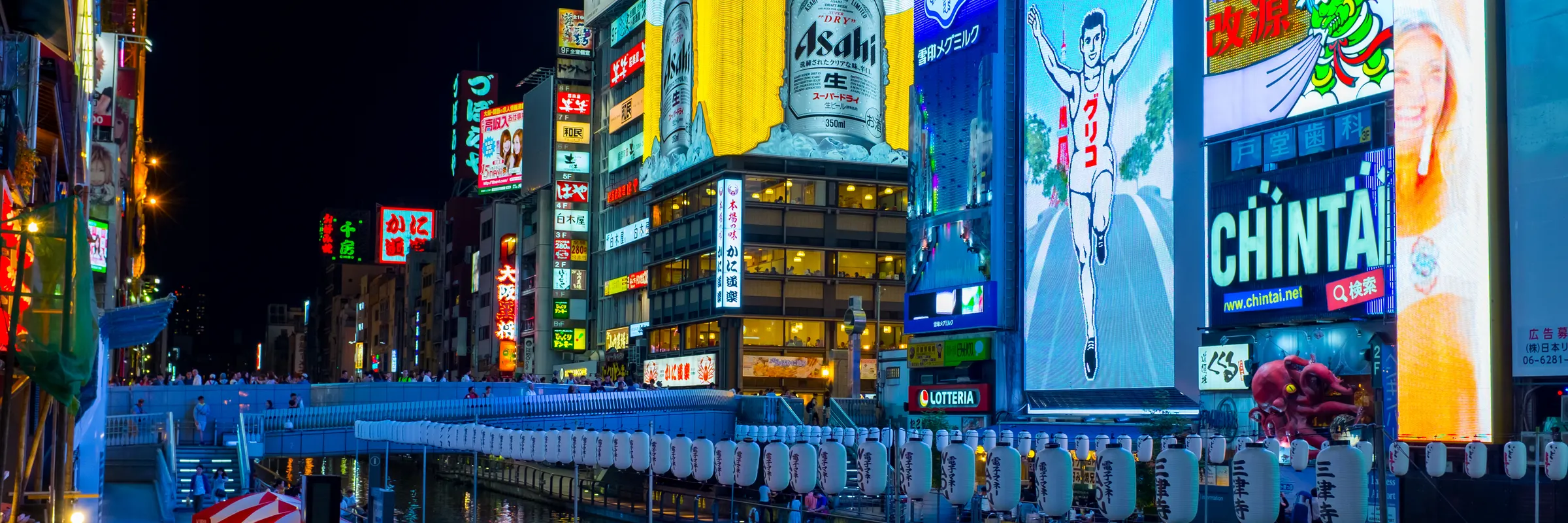
Osaka: Dotonbori and its signs at night
Photo: Kristoffer Trolle from Copenhagen, Denmark · CC BY 2.0
Kansai, Japan

Osaka: how many days you need and the best months to go

Osaka has a nickname it gave itself — *the nation's kitchen* — and a reputation within Japan for being blunter, funnier and less formal than Tokyo or Kyoto. It is also the most practical base in the Kansai region: Kyoto, Nara and Kobe are all under an hour away, which makes a hotel here worth more nights than the city's own sights strictly require.

Short answers

What people ask before booking

How many days do you need in Osaka?

Osaka needs two days for itself and four if you use it as a base, which is what most people should do. Kyoto, Nara and Kobe are all under an hour away and Osaka hotels cost less.

What is the best month to visit Osaka?

October and November — The best window of the year, and the autumn colour. April and May — Cherry blossom, and the most comfortable air of the year.

Which months are worth avoiding in Osaka?

June to mid-July — The rainy season. Late July and August — Heat and humidity that shorten the day.

How many days Osaka needs

Two days covers Osaka itself without hurrying: the castle, the two main districts and a proper evening eating. Four is the number if you use it as a base — and that is what most people should do, because Kyoto, Nara and Kobe are all close enough to visit without changing hotel.

Staying in Osaka and day-tripping to Kyoto is usually cheaper and easier than the reverse. Osaka hotels cost less, the trains run constantly, and the evening in Osaka is far better than the evening in Kyoto, which shuts early.

How the city is arranged

Osaka has two centres rather than one, and knowing which you are in explains what you are looking at. The locals call them Kita — north — and Minami — south — and they behave completely differently.

  • Kita, around Umeda — the northern hub: the main station, department stores, offices and a genuinely bewildering underground shopping network. Business by day and restaurants by night.
  • Minami, around Namba and Shinsaibashi — the southern hub and the fun one. Dotonbori, the neon, the covered shopping arcades and most of the eating.
  • Osaka Castle and the park around it — between the two, and the main historic sight. The keep is a twentieth-century reconstruction, which is worth knowing before you queue; the grounds and the moat are the better half.
  • Shinsekai — a district built before the war, left behind for decades, and now a working corner of old Osaka with a tower in the middle of it.
  • Osaka Bay — the aquarium and the theme parks, west of the centre and a trip in itself.

Where to stay, and why the station matters

Osaka is a two-hub city, so the honest question is which hub. Kita is better if you are day-tripping, because Osaka Station is where the trains to Kyoto, Kobe and the airport all converge. Minami is better if you are here for the city, because that is where the food and the evening are.

The other thing that shapes a stay is the underground. Umeda's station complex is one of the most confusing in Japan, several operators joined by tunnels with no unified signage, and finding a specific exit takes practice. If you land there late with luggage, budget more time than the map suggests.

AreaWho it suitsThe catch
Umeda and KitaDay trips to Kyoto, Nara and Kobe, and the airport trains.The station complex is a genuine maze, and the area is offices rather than atmosphere.
Namba and MinamiThe food, the neon and the nightlife, all on foot.Loud until very late, and the busiest tourist concentration in the city.
Shin-OsakaShinkansen connections, and a quiet night before an early train.It is a transfer station with nothing around it. Fine for one night, dull for four.
TennojiBetter value, good transport, and close to Shinsekai.Less polished than the two main hubs, and further from the classic sights.

The airports, and getting around Kansai

Kansai International is built on an artificial island and the train in takes roughly forty minutes to an hour depending on which service you take. Itami is the domestic airport, much closer, and handles almost no international flights — booking sites list both, so check which one your ticket actually uses.

For the region, the private railways matter as much as JR here, which is different from Tokyo. Several lines run to Kyoto and Nara and they are not all covered by the same passes; the fastest route between two Kansai cities is often on a company you have never heard of.

  • Get a rechargeable IC card at the airport. It works on every operator, JR and private alike, and removes the need to work out which company runs which line.
  • A JR pass covers only JR lines. In Kansai that leaves out several of the useful routes, so the maths is different from a Tokyo trip.
  • Kyoto is under half an hour from Osaka on the fast services, which is why a hotel here can serve both cities.
  • Nara is about forty minutes and works as a half-day trip rather than a full one, which surprises people who allocated a whole day.

Day trips, and the reason to base yourself here

This is the strongest day-trip list of any city on this site, and it is the actual argument for Osaka. Everything below is under an hour and a half each way, with trains that run constantly rather than hourly.

  • Kyoto — under half an hour. Temples, gardens and the historic capital. Doing Kyoto from Osaka means you avoid Kyoto's hotel prices and get a better evening, and it costs you nothing but the train.
  • Nara — forty minutes. The great bronze Buddha, the deer in the park, and the oldest capital of Japan. A half day is honestly enough.
  • Kobe — half an hour west. A port city with a different history, a good food scene and the hills right behind it.
  • Himeji — an hour, and the castle is the finest surviving original in Japan. Unlike Osaka's, this keep was never destroyed, which is exactly why it is worth the trip.
  • Koyasan — a mountain temple complex about two hours south, where you can stay overnight in temple lodgings. Not a day trip and worth mentioning: it is the best overnight in the region.

How eating works here

Osaka's food culture has its own word — kuidaore, eating yourself into ruin — and the local claim is that Osakans spend on food what Kyotoites spend on clothes. The practical effect is that the good stuff is cheap, informal and everywhere, and the city has very little interest in ceremony.

Most of it is cooked in front of you on a griddle or a fryer, eaten standing or at a counter, and finished quickly. Queues are the normal signal, and a place with a line of locals at seven in the evening is worth twenty minutes of your time.

  • Many small places are cash only, and the ticket-machine system common in Tokyo is less universal here.
  • Dotonbori is worth seeing and is not where the best food is. It is the neon and the crowds; the good places are on the surrounding streets and in the covered arcades.
  • Standing bars are a local institution. No seats, cheap drinks, a short menu, and you leave after two.
  • Kuidaore is a real word and a real attitude. Ordering more than you planned is the correct behaviour here, not a failure of discipline.

Where to eat in Osaka, dish by dish

This is the best eating city in Japan for the money, and almost all of it is street food and counters rather than restaurants. Three dishes were invented here and are better here than anywhere else. The rule is the same as everywhere in this city: follow the queue, not the sign.

  • Dotonbori

    Where to look

    The famous strip, and how to use it properly

    The canal-side street with the giant mechanical crab and the running-man sign, and the most photographed place in Osaka. Walk it once for the spectacle and eat one street back. The stalls on the strip itself are priced for people taking photographs; the arcades either side are where the city eats.

    Check it on Wikidata
  • Takoyaki

    What to order

    The snack Osaka invented and does best

    Balls of batter with a piece of octopus inside, cooked in a dimpled iron pan and turned with a pick, topped with sauce, mayonnaise and bonito flakes that move in the heat. They are molten in the centre and will burn your mouth if you rush, which every visitor does once. Six to a tray, eaten standing.

    Check it on Wikidata
  • Okonomiyaki

    What to order

    The savoury pancake, and the Osaka way of doing it

    Cabbage, batter, and whatever you choose, cooked on a hotplate. The Osaka style mixes everything together before cooking; the Hiroshima style layers it — and mentioning the difference in the wrong city is a running national joke. Many places cook it at your table and expect you to do the last part.

    Check it on Wikidata
  • Kushikatsu

    What to order

    Deep-fried skewers, and the one rule that matters

    Skewered meat, vegetables and cheese, battered and deep-fried, dipped in a communal sauce pot on the counter. You may not double-dip. Ever. It is the single strictest and most seriously observed rule in Osaka eating, and the cabbage on the table is there to scoop extra sauce with.

    Check it on Wikidata
  • Shinsekai

    Where to look

    The district where those skewers belong

    A pre-war district around the Tsutenkaku tower, left behind for most of the twentieth century and now a working, slightly rough-edged corner of old Osaka. This is the home of kushikatsu and the streets are full of it. It feels like a different decade to Namba, which is the reason to walk over.

    Check it on Wikidata
  • Kura Sushi

    Chain

    Conveyor sushi, with a group and without a booking

    Tablet ordering, express lane and prices that make a family meal painless — the same chain format as in Kyoto and Tokyo. In Osaka it is the fallback rather than the highlight, because the street food is better, but it solves the evening when there are four of you and nobody wants to queue.

    Check it on Wikidata

When to go, and what each month costs you

Osaka shares Kansai's climate with Kyoto and it is not gentle. The summer is genuinely hard — hot, humid and preceded by a rainy season — and the two good windows are short and busy. The calendar matters as much here as anywhere in Japan.

  • October and November

    Go now

    The best window of the year, and the autumn colour

    Warm days, low humidity, clear skies, and the autumn colour arriving in late November — later than most visitors expect. Less crowded than the spring and just as good, which makes it the single best time to come.

  • April and May

    Go now

    Cherry blossom, and the most comfortable air of the year

    The blossom window moves by a week or two each year and lasts about ten days, so it needs checking rather than assuming. May is reliably pleasant and much less crowded. Osaka Castle park is one of the better blossom spots in the region and one of the least precious about it.

  • March

    Worth it, but

    Cheap and cool, just before the crowd arrives

    Still cold at the start and warming through, with prices below the spring peak and the city half empty. A good compromise if you do not need the blossom, and a bad one if you do.

  • June to mid-July

    Think twice

    The rainy season

    The tsuyu runs roughly through this window on the main island. It rarely rains all day, but it is persistent and very humid, and it makes long days of walking unpleasant. Museums and covered arcades are the fallback, and Osaka has a lot of both.

  • Late July and August

    Think twice

    Heat and humidity that shorten the day

    Genuinely difficult: high heat with high humidity and little relief at night. Mid-August is also Obon, a national holiday week when the whole country travels and prices rise everywhere. The underground shopping cities exist partly because of this month.

Things that change the trip

  • Base yourself in Osaka and day-trip to Kyoto, not the other way round. Hotels cost less, trains are constant, and the evening here is much better.
  • Get an IC card at the airport. Kansai has several rail companies and the card removes the need to know which is which.
  • A JR pass does not cover the private lines, and in Kansai several of the useful routes are private. Work out the actual journeys before buying one.
  • Never double-dip the kushikatsu sauce. It is the one rule everyone here takes seriously, and the cabbage is for scooping.
  • Walk Dotonbori for the spectacle and eat a street back. The strip itself is priced for photographs.
  • Osaka Castle's keep is a modern reconstruction. The grounds are lovely; go for those and adjust your expectations about the building.

Use Osaka as the base it is

A trip of more than three days, or one that adds Kyoto, Nara and the trains between them, is what Premium is for. The free version covers one destination of up to three days.

Destinations