
Skip to content
JoruJoru
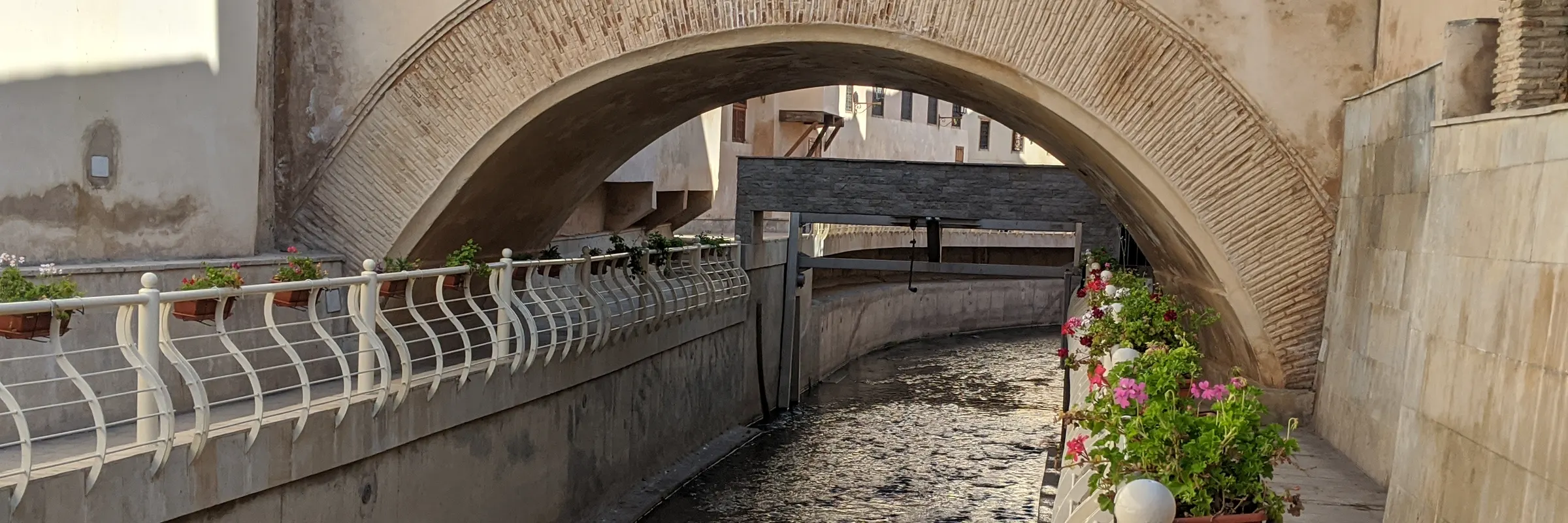
Fez: the medina rooftops
Photo: bobistraveling · CC BY 2.0
Morocco

Fez: how many days you need and the best months to go

Fez has the largest car-free urban area in the world and it is not a preserved quarter with a working city behind it — the medina is the city, with thousands of lanes too narrow for anything with wheels, and donkeys still doing the delivering. It is the older and less packaged of Morocco's two famous cities, and getting lost here is not a figure of speech.

Short answers

What people ask before booking

How many days do you need in Fez?

Fez needs two days for the medina and a third to use it as a base for central Morocco. It is smaller than Marrakesh in visitor terms and slower, because the medina has no cars and thousands of lanes.

What is the best month to visit Fez?

March to May — The best window of the year, and it is not close. October and November — The autumn equivalent, with fewer visitors.

Which months are worth avoiding in Fez?

July and August — Serious inland heat with no coast to soften it.
How many days Fez needs

Two days covers the medina properly, which is the reason to come. A third turns it into a base for the middle of the country — the Roman ruins at Volubilis, the blue town of Chefchaouen, or the cedar forests to the south.

Fez is smaller than Marrakesh in visitor terms and it needs less time. What it does not need less of is patience: navigating the medina is slow by design, and a day here covers less ground than a day almost anywhere else on this site.

How the city is arranged

Fez is three cities that grew separately and are now stitched together, and knowing which one you are in explains almost everything about what you are seeing.

  • Fes el Bali — the old medina, founded in the ninth century, and the reason to be here. Thousands of lanes, no cars, and the largest car-free urban zone anywhere. Everything you came for is inside it.
  • Fes el Jdid — the newer medieval quarter, thirteenth century, with the royal palace gates and the mellah, the old Jewish quarter.
  • Ville Nouvelle — the French-built new town, broad avenues and modern buildings, about half an hour on foot from the medina. Cafés, banks, the train station.
  • The tanneries — inside Fes el Bali, and the most photographed thing in the city. They have worked the same way since the medieval period, which is exactly what the smell is telling you.
  • Al-Qarawiyyin — founded in 859 and described by UNESCO as the oldest continuously operating educational institution in the world. Non-Muslims cannot enter the prayer hall, though the associated library and some courtyards can be seen.

Where to stay: a riad inside, or a hotel outside

The choice in Fez is the same as in Marrakesh and the answer is more clear-cut. Stay in a riad inside the medina. A riad is a traditional house built around an interior courtyard, and staying in one is the single best thing about visiting this city — you step off a lane barely wide enough for two people into a tiled courtyard with a fountain.

The practical cost is real and should be stated plainly: taxis cannot reach most riads. You will be dropped at a gate and walk the last stretch with your luggage, and the riad will usually send someone to meet you. Arriving after dark on your first night without arranging that is the mistake to avoid.

AreaWho it suitsThe catch
A riad in Fes el BaliAnyone visiting for the medina, which should be everyone.No vehicle access. Arrange the meeting point before you arrive, especially at night.
Near Bab BoujloudFirst visit. The main western gate, easiest to find and to leave from.The busiest and most touristed corner of the medina, and the restaurants right at the gate reflect that.
Fes el JdidQuieter, close to the palace gates and the mellah, and cheaper.Less atmospheric than the old medina and a walk from the main sights.
Ville NouvelleModern hotels, parking, and rooms with reliable lifts and air conditioning.You are half an hour from the reason you came, and the new town is unremarkable.

Getting there, and finding your way once inside

Morocco's trains are good and Fez is well connected by them — Casablanca, Rabat, Marrakesh and Tangier all run direct, and the station is in the Ville Nouvelle. The airport is small and handles mostly European short-haul; many visitors arrive by train from a bigger airport, and that is usually the better plan.

Inside the medina, accept that you will get lost. It is not a criticism of your navigation: the lanes are too narrow and too enclosed for a phone to locate you reliably, and they do not follow a pattern. The medina slopes down from the western gates towards the river, so heading uphill will eventually bring you to a wall and a gate.

  • Hire an official guide for the first day. This is the one city on this site where a guide genuinely changes the experience, and an official one is licensed and identifiable.
  • Unofficial guides will approach you at the gates, sometimes claiming a street is closed or a festival is on, and the destination is a shop that pays commission. A firm no and continuing to walk is the whole technique.
  • Agree every price before anything is served, made or handed to you. This includes a plate, a glass of juice and a photograph. It is the local norm rather than rudeness.
  • Fes el Bali is stepped and uneven. Wheeled luggage is close to useless on the lanes, and a small case you can carry is worth the packing discipline.

Day trips, and what is within reach

Fez sits in the middle of the country, which makes it a better base than Marrakesh for the north and the interior. Everything here is a shared taxi, a bus or a hired driver, and the road journeys are longer than the map suggests.

  • Volubilis and Meknes — Roman ruins with mosaics still in the ground, and a walled imperial city next door. Around an hour and a half west, and the two combine into one very good day.
  • Chefchaouen — the blue-painted town in the Rif mountains, about four hours north. It is too far for a comfortable day trip and works much better as an overnight stop on the way to Tangier.
  • Ifrane and the cedar forests — an hour and a half south, into the Middle Atlas. A completely different Morocco: alpine-looking, cool, and with Barbary macaques in the cedars.
  • Sefrou — a small walled town under an hour away, with a medina and none of the visitors. The easy half-day if you want to see an ordinary Moroccan town rather than a famous one.

How eating works here

Fez has a reputation within Morocco for being the country's culinary capital, and the food here is more refined and less adapted than in the coastal cities. This is also a conservative, working city rather than a resort, and dressing modestly — covered shoulders and knees — is both respectful and practical.

Alcohol is limited. Some hotels and a few restaurants in the Ville Nouvelle serve it; most places in the medina do not, and expecting a beer with lunch is expecting the wrong city. Mint tea is the constant, and it is served sweet unless you say otherwise.

  • Lunch is the main meal, and the day slows down around it.
  • During Ramadan the whole rhythm changes — many restaurants close during daylight and the city comes alive after sunset. The dates move by about eleven days each year, so check them against your trip rather than assuming.
  • Friday is couscous day. It is a family meal at home rather than a restaurant dish, but many places serve it that day and few serve it on others.
  • Bread is the utensil. Eating with the right hand, using bread to lift food, is normal and expected in traditional places.

Where to eat in Fez, dish by dish

Fez is where Moroccan cooking is at its most refined, and the good version of it is not in a restaurant with a view of anything. The rooftop terraces around the main gates charge for the view, not the food. What follows is what to order rather than where — in this city the dish is more useful than the address.

  • Fes el Bali

    Where to look

    Understanding where you are before you eat anything

    The ninth-century medina is the largest car-free urban area in the world and it is a working neighbourhood, not a preserved one. Eat where the lane is residential rather than where it is lined with rugs. Two turns off a tourist artery, the same tagine costs a fraction and is cooked for people who will come back tomorrow.

    Check it on Wikidata
  • Bissara

    What to order

    The breakfast the city actually eats, in winter

    A thick broad-bean soup with olive oil, cumin and bread, sold from tiny counters from very early in the morning. It is a winter dish and a working person's breakfast, and it costs almost nothing. Look for a counter with a queue of men before eight; that is the whole selection method.

    Check it on Wikidata
  • Pastilla

    What to order

    The dish Fez is famous for inside Morocco

    A pie of thin pastry filled with pigeon or chicken, almonds and cinnamon, dusted with icing sugar. The sweet and savoury together is the point and it surprises people the first time. It is a celebration dish, so it is better at a good restaurant than at a stall, and it is the one thing worth booking a proper meal for here.

    Check it on Wikidata
  • Harira

    What to order

    The soup that breaks the fast, all year round

    A tomato, lentil and chickpea soup with lamb and fresh herbs, eaten year-round and the dish that breaks the fast during Ramadan. Served with dates and a sticky honey pastry. Cheap, everywhere, and the most reliable thing to order when you cannot read the rest of the menu.

    Check it on Wikidata
  • Msemen

    What to order

    The street snack to eat while you are lost

    A square flatbread folded and fried on a griddle, eaten with honey and butter or plain. It is made in front of you and costs almost nothing, which makes it the right thing to buy from a lane stall. Best in the morning, and the queue moves fast because there is only one thing being made.

    Check it on Wikidata

When to go, and what each month costs you

Fez is inland and it is not Marrakesh. It gets hotter in summer and genuinely colder in winter than the coastal cities, because there is no sea to moderate it. The medina is stone and shaded, which helps in July and works against you in January.

  • March to May

    Go now

    The best window of the year, and it is not close

    Warm days, cool evenings, the countryside around the city green, and the medina comfortable to walk for hours. If you can pick your dates, pick these.

  • October and November

    Go now

    The autumn equivalent, with fewer visitors

    The heat has broken, the light is good, and the city is quieter than in spring. October in particular is very close to ideal, and the mountains to the south are at their best.

  • December to February

    Worth it, but

    Cold in a way that surprises people who packed for Africa

    Fez sits at altitude and inland, and winter here is properly cold — frost is possible and the medina's stone lanes hold it. Riads are often heated poorly or not at all, which is the real issue rather than the outside temperature. Prices are at their lowest and the city is empty.

  • July and August

    Think twice

    Serious inland heat with no coast to soften it

    The hottest stretch by a distance, and the medina becomes something to endure between shaded stops. Mornings work; afternoons largely do not. This is when Moroccans who can leave for the coast.

  • Ramadan (it moves each year)

    Worth it, but

    A different city, and worth understanding before you book

    During the fasting month many restaurants close during daylight, the pace changes completely, and the evenings become the centre of the day. It can be a remarkable time to visit and it is a different trip. The dates shift by around eleven days a year, so they need checking against your own rather than assuming a season.

Things that change the trip

  • Stay in a riad inside the medina, and arrange the pick-up. Taxis cannot reach most of them and the last stretch is on foot.
  • Hire an official guide for the first day. It is the one city on this site where that genuinely changes what you see.
  • Agree the price before anything is served, made or handed to you. It is the norm here and not a confrontation.
  • Bring a small case you can carry. The medina is stepped and uneven and wheels are close to useless.
  • Check Ramadan against your dates. The month moves by about eleven days each year and it changes the city completely.
  • Dress modestly. Fez is a working, conservative city rather than a resort, and covered shoulders and knees make the day easier.

Plan Fez around the medina and the season

A trip of more than three days, or one that adds Chefchaouen or the Atlas and the driving between them, is what Premium is for. The free version covers one destination of up to three days.

Destinations