




Skip to content
Joru
Quintana Roo, Mexico

Cancún

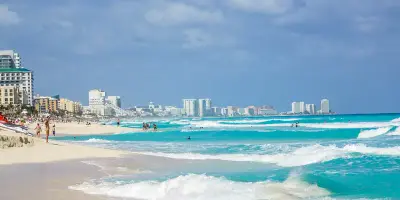
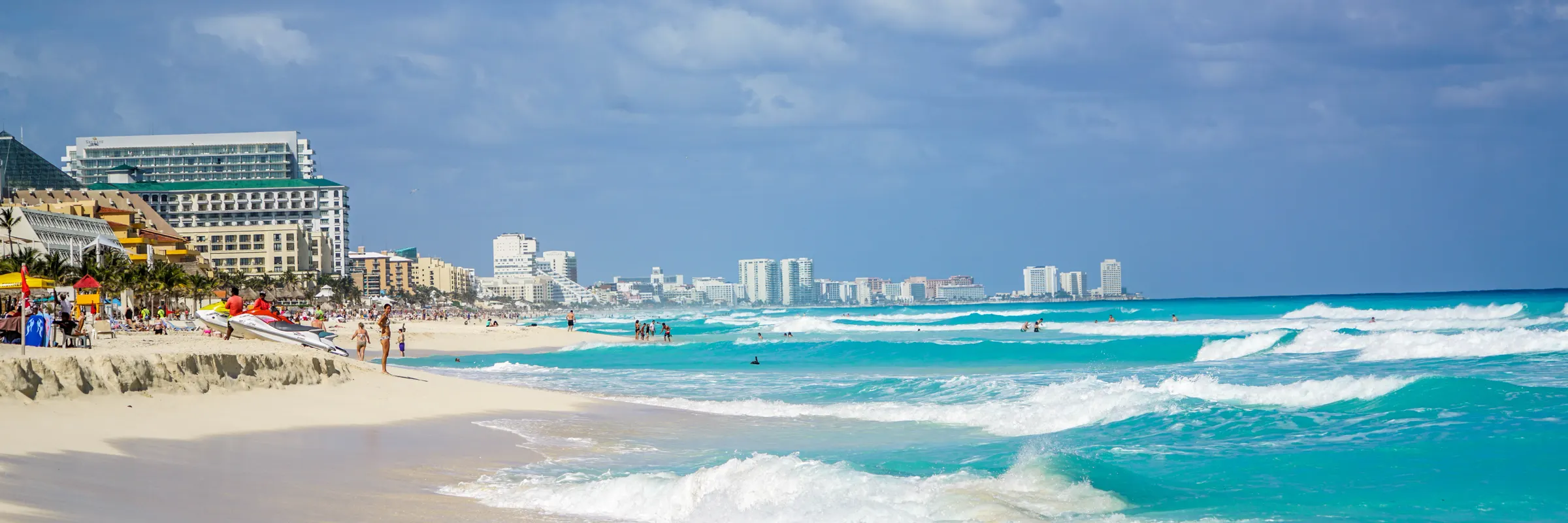
Cancún is the most-visited destination in Latin America and the one where seasonal planning matters most, for a reason that rarely appears in the brochures: alongside the hurricane season there is a seaweed season, and it can change the beach completely.

How to think about the trip

Cancún itself is a hotel strip, and treating it as the destination is what produces disappointing trips. It works far better as a base: the ruins, the cenotes, the smaller coastal towns and the islands are all within reach, and they are what people actually remember.

Four days is enough for the beach plus two excursions. A week lets you move down the coast rather than commuting back to the same hotel every evening — which is the shape multi-destination planning is for.

What is within reach

The coast road runs south from Cancún, and almost everything worth doing is strung along it or a short ferry away.

  • Isla Mujeres and Cozumel — the islands, reachable by ferry, and calmer than the mainland strip.
  • Tulum and the coast south — ruins on the sea, and a very different pace from the hotel zone.
  • Chichén Itzá and Cobá — the major archaeological sites, inland. Both far better early in the day.
  • Cenotes — the freshwater sinkholes, scattered through the interior. Cool, shaded, and the best answer to a hot afternoon.

When to go, and the two seasons nobody mentions

There are three overlapping calendars here: the weather, the hurricane risk and the sargassum seaweed. The third is the one that most often ruins a beach trip and the one least likely to be on your radar.

  • December to AprilGo now

    Dry season, low seaweed risk, best beaches

    The dry, warm, low-humidity window, outside hurricane season, and generally the clearest water of the year. It is also the busiest and most expensive — especially the weeks around the new year and around Easter, which moves each year.

  • NovemberGo now

    The sweet spot at the end of the risk window

    Hurricane season is winding down, the crowds have not arrived, prices are lower and the sea is still warm. The single best value month if you are comfortable with a small residual storm risk.

  • May to AugustWorth it, but

    Peak sargassum risk

    Sargassum seaweed tends to arrive in quantity between roughly spring and late summer, and in a bad year it covers the beaches and smells. It varies enormously year to year and beach to beach — the island and west-facing beaches are usually much less affected. Worth checking current reports before booking a beach-led trip.

  • September and OctoberThink twice

    The peak of hurricane season

    Statistically the highest-risk months for hurricanes in this part of the Caribbean, and the wettest. Prices are at their lowest for exactly that reason. If you go, travel insurance and flexible bookings stop being optional.

Things that change the trip

  • Check current sargassum reports before booking, not after. Local monitoring maps are published and updated through the season.
  • The ruins are hot and unshaded. Arriving at opening rather than mid-morning is the difference between enjoying them and enduring them.
  • Colectivos along the coast road are cheap, frequent and how most people actually move around. Far better value than organised transfers.
  • Cenotes are the right plan for the hottest part of the day, and there are far more than the handful that appear in every tour.
  • Prices inside the hotel zone bear little relation to prices twenty minutes away in the city itself.

Plan the coast, not just the hotel

A week along the Riviera Maya — several places with the transport between them — is what Premium is for. The free version covers one destination for up to three days.

Destinations