




Skip to content
Joru
Türkiye

Istanbul

Istanbul is not one city but several separated by water, and the single most common planning mistake is treating the crossing as an obstacle. The ferries are frequent, cheap and the best view in the city — a plan that uses them deliberately is a better plan than one that avoids them.

How many days Istanbul needs

Four days is a realistic minimum. The historic peninsula alone is a full two days, and a trip that never crosses to the Asian side or up the Bosphorus has seen a fraction of the city.

Five days lets you give a day to the water itself — a slow ferry up the strait and back — which more people remember than the monuments.

How the city is arranged

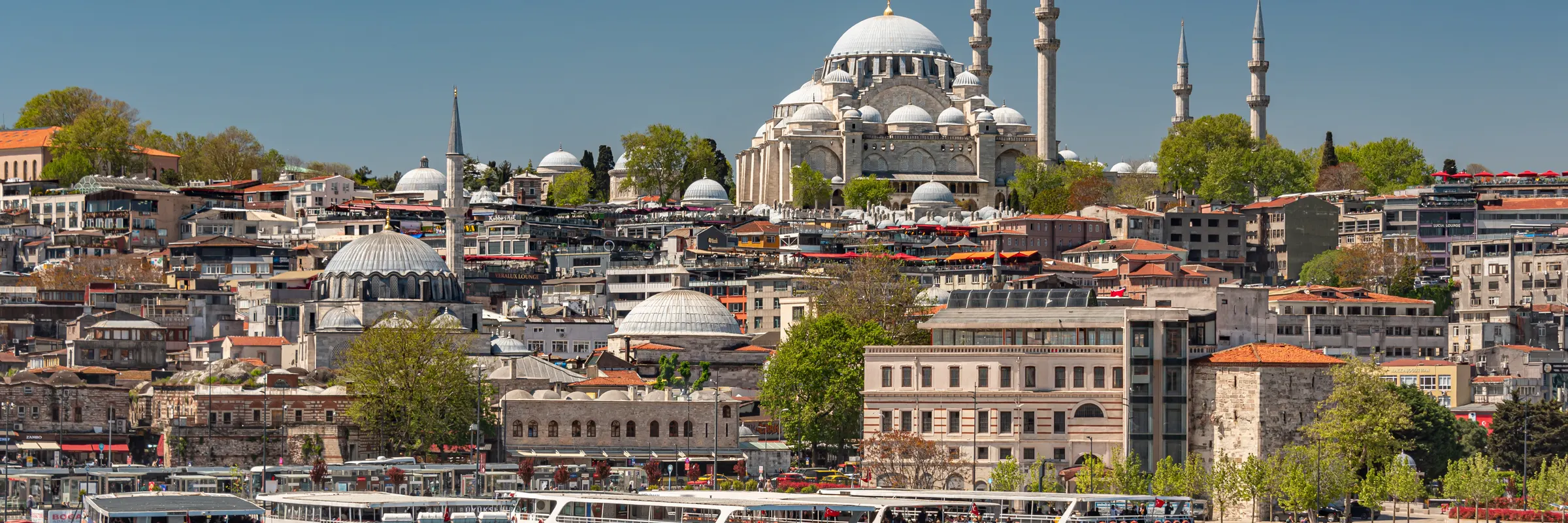
Two bodies of water divide the city into three parts. Which part you are in decides your day far more than distance does.

  • Sultanahmet and the historic peninsula — the great mosques, the palace, the bazaars. Dense, and the most visited square kilometre in the country.
  • Beyoğlu and Karaköy — across the Golden Horn, the nineteenth-century city, and where the food and nightlife are.
  • The Asian side (Kadıköy, Üsküdar) — a twenty-minute ferry and a completely different pace. Where the city stops performing.
  • Up the Bosphorus — villages along the strait, reachable by ferry, and worth a full day.

When to go, and what each month costs you

Istanbul has four real seasons and two clearly better ones. There is also one moveable factor worth checking: Ramadan shifts about eleven days earlier each year and changes the rhythm of the city.

  • April to early JuneGo now

    The best window of the year

    Mild, long days, and the city at its most pleasant for walking. April brings the tulip season, which is a genuine local tradition rather than a tourist invention.

  • September and OctoberGo now

    Warm water, thinner crowds

    Summer heat has broken, the Bosphorus is still warm, and the summer visitors have largely gone. Arguably the single best month is October.

  • November to MarchWorth it, but

    Grey, cheap and atmospheric

    Cold, often wet, and occasionally snowy — which is genuinely striking here. Prices drop sharply and the great interiors are empty. A good trip if you are content to spend it indoors and on ferries.

  • July and AugustThink twice

    Hot, humid and at peak load

    High heat with high humidity, and the historic peninsula at its most crowded. The queues at the major sites are at their worst and the walking is unpleasant by midday.

  • Ramadan (moves each year)Worth it, but

    A different city, worth knowing about in advance

    The dates move roughly eleven days earlier every year, so check them against your trip. Daytime rhythms change, evenings become livelier, and the holiday at the end is a major domestic travel period with full transport and hotels.

Things that change the trip

  • Use the ferries as transport, not as an excursion. They are frequent, cheap, and usually faster than going around by land.
  • Get a rechargeable transit card at the airport. It works on ferries, trams, metro and buses.
  • Mosques are working places of worship: dress modestly, and expect them to close to visitors around prayer times.
  • The main bazaars are worth seeing but are not where locals shop. The neighbourhood markets are better and cheaper.
  • Cross to the Asian side at least once. It is twenty minutes and it is the part of the trip most people say they wish they had given more time.

Plan Istanbul across the water

A four-day Istanbul trip needs Premium; the free version covers one destination for up to three days. Generation is unlimited on both.

Destinations