

Skip to content
JoruJoru
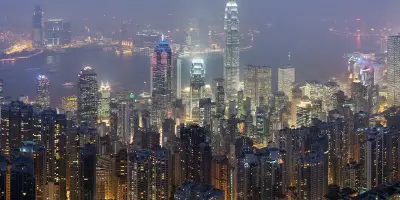
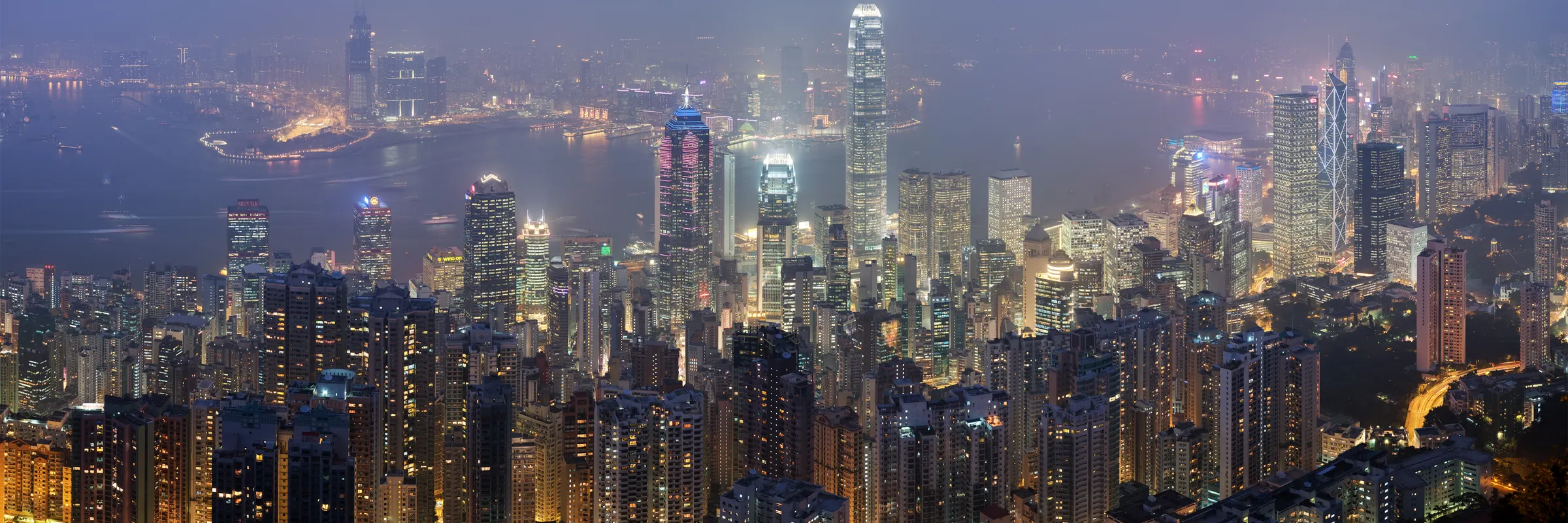
Hong Kong: the skyline across Victoria Harbour
Photo: Diliff · CC BY 3.0
Hong Kong SAR, China

Hong Kong: how many days you need and the best months to go

Hong Kong is two cities that share a transport card. There is the vertical one — Central, Kowloon, the harbour, the neon — which is what everyone books for, and there is the one where roughly three quarters of the territory is country park, with ridge trails and beaches reachable on an ordinary metro fare. Planning only the first gives you a good three days. Planning both is what makes the trip unusual.

Short answers

What people ask before booking

How many days do you need in Hong Kong?

Hong Kong needs three days for the city — the harbour from both sides, the Peak, Kowloon's markets and dim sum — and five if you want the country parks and islands, which is the half most visitors skip.

What is the best month to visit Hong Kong?

October, November and December — Dry, clear and comfortable — the season the city waits for. January and February — Cool, dry and quiet, with one very busy fortnight.

Which months are worth avoiding in Hong Kong?

May and June — The humidity becomes the trip. July, August and September — Peak heat, peak rain, peak typhoon risk.

How many days Hong Kong needs

Three days covers the city: the harbour from both sides, the Peak, a temple or two, Kowloon's markets and enough dim sum to understand why people talk about it. That is a complete trip and most people take it.

Five is where Hong Kong becomes different from every other Asian city break. The extra two days go to the outlying islands and the trails, and they cost almost nothing — a ferry to Lamma or Cheung Chau, the Dragon's Back ridge, a beach on the south side of the island. Nine of ten visitors skip this and it is the half that people remember.

How the territory is arranged

The map looks complicated and is not: there is an island, a peninsula facing it, and a lot of hills and water behind both. The harbour between the first two is the axis of the whole place, and crossing it is a two-minute ride that is also one of the best things to do here.

  • Central and Sheung Wan — banks, the mid-levels escalator, antique streets and the ferry piers. The steepest part of the city and the one that rewards wandering uphill.
  • Wan Chai and Causeway Bay — markets, tram lines, shopping and the working middle of Hong Kong Island. The trams here are the cheapest sightseeing on the planet.
  • Tsim Sha Tsui — the tip of Kowloon, the waterfront promenade and the view back at the skyline. Museums, the ferry, and the best place to be at dusk.
  • Mong Kok and Yau Ma Tei — the dense Kowloon street markets, the neon and the crowds. Louder, cheaper and more alive at night than anywhere on the island.
  • The country parks and islands — Lantau, Lamma, Cheung Chau and the trails on the island's south side. Twenty to forty minutes from Central and a completely different territory.

Where to stay, and what the harbour side actually buys you

Hong Kong rooms are small — this is a fact of the city, not of your booking — so the useful variables are location and transport rather than square metres. Being on an MTR line matters more than being in a specific district, because the network is fast and the walking here is vertical.

The harbour view is the thing people overpay for. It is genuinely spectacular, and it is also free from the promenade, the ferry and the tram. Pay for it if the view from the room matters to you; skip it if you will be out until late anyway.

AreaWho it suitsThe catch
Tsim Sha TsuiFirst visit. The skyline view, the promenade, the ferry and museums on foot.Very touristed, and the streets behind the waterfront are a tailor-and-copy-watch gauntlet.
Central and Sheung WanBars, restaurants, the escalator and the fastest access to the island's trails.The most expensive beds, and genuinely quiet on a Sunday.
Causeway Bay and Wan ChaiLocal food, trams at the door, and better value on the island.Crowded pavements, and the shopping-mall density is relentless.
Mong Kok and JordanNight markets, cheap rooms and the most street life per square metre.Loud, cramped, and a longer trip to the island's hikes.
Near the airport or on LantauA long layover, or a trip built around Disneyland and the big Buddha.You are not in Hong Kong; the city is a train ride away and evenings die early.

The Octopus card, the Airport Express, and how to move

An Octopus card is the first thing to buy and it solves more than transport. It works on the MTR, buses, trams, the Star Ferry and the airport train, and it also pays in convenience stores, bakeries and many small restaurants. Hong Kong runs on it, and topping it up at a station is a thirty-second job.

From the airport, the Airport Express is the fast, expensive option and the ordinary bus is the slow, cheap one that shows you the bridges. Both are straightforward, and the train has free shuttle buses from its stations to most central hotels — a detail that catches people out because it is not obvious at the platform.

  • The Star Ferry costs almost nothing and is the best view in the city. Take it at dusk, sit on the lower deck, and do not pay for a harbour cruise until you have.
  • The trams on the island are slow and that is the point. A ride across the north shore on the upper deck is an hour of the city passing at eye level.
  • The MTR is fast, clean and signed in English, and it reaches the border, the airport and both hiking coasts.
  • Escalators are transport here. The mid-levels system runs uphill in the morning and downhill the rest of the day, and it is a legitimate way to cross Central.

The half of Hong Kong nobody books: trails, islands and beaches

Roughly three quarters of the territory is protected country park, and the trails start where the buses stop. This is the single biggest gap between what Hong Kong is and what visitors plan for, and none of it needs a tour.

  • Dragon's Back — a ridge walk on the island's south-east with the sea on both sides, reachable by bus from Central and finishing at a beach. A half-day and the most popular hike here for good reason.
  • Lamma Island — a ferry from Central, no cars, a path across the island between two villages, and seafood at the far end. The easiest island day and the one that needs no plan.
  • Cheung Chau — a denser, older fishing island with a harbour full of boats and lanes too narrow for traffic. Busy at weekends and worth a weekday.
  • Tai O — a stilt-house village on Lantau's west coast, reached by bus over the mountain. Combine it with the big Buddha rather than treating either as a whole day.
  • The beaches of the south side — Shek O, Big Wave Bay, Repulse Bay. On a bus route, and empty on a weekday outside the summer.

How eating works here

Hong Kong eats out constantly and at every price level, and the etiquette is looser than visitors expect. Sharing a table with strangers is normal in a busy place, tea is poured for others before yourself, and tapping two fingers on the table is how you say thank you for a refill without interrupting.

The other structural fact is timing. Dim sum is a morning-to-early-afternoon meal, not a dinner; the tea houses fill with families and newspaper readers from early and thin out after lunch. Turning up at seven in the evening for dim sum is the most common visitor mistake and gets you a much worse version of it.

  • Order dim sum by ticking a paper sheet, not by pointing at a trolley — the trolleys are now rare and mostly in old, famous rooms.
  • A small charge for tea and pickles is standard and appears on every bill. It is not a scam; it is how these rooms work.
  • Cash still matters in the smallest places, even though Octopus is accepted almost everywhere else.
  • The queue is the signal. In a city this dense, an empty restaurant next to a full one at lunchtime is telling you something.

Where to eat in Hong Kong, and what to order

This is one of the best eating cities on earth and it is also cheap if you eat where people eat. The rule is that the room does not predict the food: a plastic-stool shop can be extraordinary and a hotel restaurant merely fine. What follows is what is specifically Hong Kong rather than generically Chinese.

  • Yum cha

    What to order

    The meal that defines the city, and the hours it exists

    Small steamed and fried dishes with tea, ordered a few at a time and eaten from mid-morning to early afternoon. It is breakfast and lunch, not dinner. Go before eleven on a weekday to sit down without waiting, and order in rounds instead of everything at once so it arrives hot.

    Check it on Wikidata
  • Cha chaan teng

    Where to look

    Cheap, fast local food at any hour

    The Hong Kong diner: a rapid, cheap, gloriously hybrid institution serving milk tea, macaroni soup, pineapple buns and rice plates all day. This is where the city actually eats, and there is one on nearly every street. Order the milk tea; it is strong, silky and unlike tea anywhere else.

    Check it on Wikidata
  • Wonton noodles

    What to order

    The bowl to order in a noodle shop

    Thin springy egg noodles in a prawn-shell broth with dumplings, served in shops that do nothing else. The noodles should be firm to the point of chewy — that is correct, not undercooked. A small bowl is the traditional size and two is not greedy.

    Check it on Wikidata
  • Char siu

    What to order

    The window full of hanging meat, explained

    Barbecued pork glazed red-brown, hung in the window and sliced over rice. Order it with rice and greens for the standard plate, and ask for the fattier cut if you want the version locals prefer. Roast meat shops are a lunch trade and the best pieces go early.

    Check it on Wikidata
  • Roast goose

    What to order

    The dish worth queueing for once

    Whole goose roasted over charcoal, crisp-skinned and served in pieces over rice or on its own. It is the celebratory version of the roast-meat shop and the one Hong Kong is genuinely famous for. The leg is the prized cut and it sells out first.

    Check it on Wikidata
  • Egg tart

    What to order

    The pastry to buy from a bakery counter

    A small custard tart in a flaky or shortcrust shell, sold warm from bakeries all over the city. Eat it within a few minutes of buying it — it is a different thing hot. Two versions exist and the flaky-pastry one is the older, more delicate of the two.

    Check it on Wikidata
  • Temple Street Night Market

    Market

    Eating outdoors at night, on the Kowloon side

    A long night market with stalls of clothes and trinkets, fortune tellers and Cantonese opera singers, and open-air seafood restaurants at the edges. The shopping is unremarkable and the eating is the point. Go late; it does not really start until after dark.

    Check it on Wikidata

When to go, and what each month costs you

Hong Kong's year is dominated by humidity rather than temperature, and the difference between a comfortable trip and an exhausting one is almost entirely that. There is also a typhoon season, which is not a reason to avoid the city but is a reason to have flexible plans: when a signal is raised, transport, shops and attractions close in a defined sequence and stay closed until it is lowered.

  • October, November and December

    Go now

    Dry, clear and comfortable — the season the city waits for

    Low humidity, reliable sunshine and the best visibility of the year, which matters when half the point is a skyline and a view from a peak. The hiking is at its best and the evenings are pleasant outdoors. This is the peak season and prices reflect it.

  • January and February

    Go now

    Cool, dry and quiet, with one very busy fortnight

    The coolest months, still comfortable, and the least crowded of the good half of the year. The exception is Lunar New Year, which moves between late January and mid-February: a few days of parades and flower markets, when many small restaurants and family businesses close and prices rise sharply.

  • March and April

    Worth it, but

    Mild, and the fog arrives

    Comfortable temperatures with rising humidity and the season's characteristic haze, which can hide the skyline for days at a time. Good for eating and markets, unreliable for views. Prices are lower than autumn and the trails are still pleasant.

  • May and June

    Think twice

    The humidity becomes the trip

    Hot, very humid and increasingly wet as the summer rains set in. Walking uphill in Central becomes genuinely hard work, and this is a city where a lot of the good parts are uphill. The typhoon season also begins.

  • July, August and September

    Think twice

    Peak heat, peak rain, peak typhoon risk

    The hottest and wettest stretch, with the highest chance of a typhoon signal that shuts the city for a day or more. Malls and museums are cold and pleasant; everything outdoors is not. If you must come now, keep a spare day in the plan and book flexible accommodation.

Things that change the trip

  • Buy an Octopus card on arrival. It covers every transport mode and pays in shops and small restaurants, which removes almost all cash handling.
  • Take the Star Ferry at dusk before paying for any harbour cruise. It costs a fraction and the view is the same water.
  • Give one day to a country park or an island. Dragon's Back or Lamma is a bus or ferry ride, and it is the half of Hong Kong that visitors miss.
  • Eat dim sum in the morning. It is not a dinner service, and the evening version in tourist areas is a different and worse meal.
  • Buildings here are cold. The air conditioning is aggressive in malls, offices and the MTR, so carry a light layer even in August.
  • If a typhoon signal is raised, check what number it is: at higher signals transport and attractions close in a set order, and it is announced clearly in English.

Plan Hong Kong with the trails in it

A trip of more than three days, or one that adds Macau, Shenzhen or the outlying islands and the ferries between them, is what Premium is for. The free version covers one destination of up to three days.

Destinations