

Skip to content
Joru
Catalonia, Spain

Barcelona

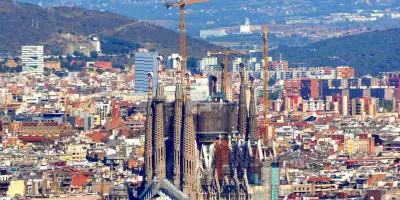
Barcelona is two cities stitched together: a nineteenth-century grid where every block is identical and predictable, and a medieval old town where the street you want is four metres wide and not where you thought. Planning that ignores the difference produces days that look fine on a map and do not work on the ground.

How many days Barcelona needs

Three days is enough for the Gaudí sites, the old town and a beach afternoon. A fourth buys you either the Montjuïc side or a day out — Montserrat, Girona, or the coast — without cutting anything.

Most of the timed-entry sites are in the Eixample, which is flat and walkable but deceptively large: the blocks are bigger than they look, and three sites that appear adjacent can be a forty-minute walk apart.

How the city is laid out

The grid runs from the hills down to the sea, so almost every walk is either along the slope or against it. Knowing which one you are doing changes how a day feels more than the distance does.

  • Ciutat Vella — the Gothic Quarter, El Born, the Raval. Medieval, dense, and the part where a map stops helping.
  • Eixample — the grid, most of the modernist architecture, and the widest range of food.
  • Gràcia — above the grid, smaller squares, and where the city feels least like a destination.
  • Montjuïc and the waterfront — the hill and the sea, both worth half a day and neither a detour.

When to go, and what each month costs you

Barcelona's problem is not weather, it is concentration: a huge share of the year's visitors arrive in the same ten weeks, into the same few streets.

  • May and JuneGo now

    Warm, swimmable, still manageable

    The sea is warm enough by June, the terraces are open, and the crowds have not peaked. The single best window of the year for this city.

  • September and OctoberGo now

    The water is still warm, the queues are not

    September keeps summer temperatures with far fewer people, and the sea stays warm well into October. Late September also brings La Mercè, the city's main festival, which is worth planning around rather than avoiding.

  • March, April, NovemberWorth it, but

    Mild and quiet, but not beach weather

    Comfortable for walking and much cheaper. Easter is the exception and moves between late March and late April, filling the old town for a week.

  • July and AugustThink twice

    Hot, humid and at maximum density

    The heat is worse than the numbers suggest because of the humidity, and the old town becomes genuinely unpleasant in the middle of the day. August also empties the city of locals, which changes what is open.

Things that change the trip

  • The main Gaudí sites sell out days ahead in season. Book them first and build the rest of the day around the slot.
  • Lunch runs late and dinner runs very late by northern European standards. An itinerary on a 19:00 dinner will find half the good places not yet open.
  • Pickpocketing on the Rambla and in the metro is persistent and well organised. It is the one practical warning worth taking seriously here.
  • The beach closest to the centre is the busiest. Twenty minutes up the coast changes the experience entirely.
  • Many museums have a free window, often late afternoon on a specific weekday. Worth checking before paying.

Plan Barcelona around the tickets and the heat

Three days in Barcelona is inside the free version. Adding Girona, Montserrat or a coastal day trip is Premium.

Destinations