




Skip to content
Joru
France

Paris

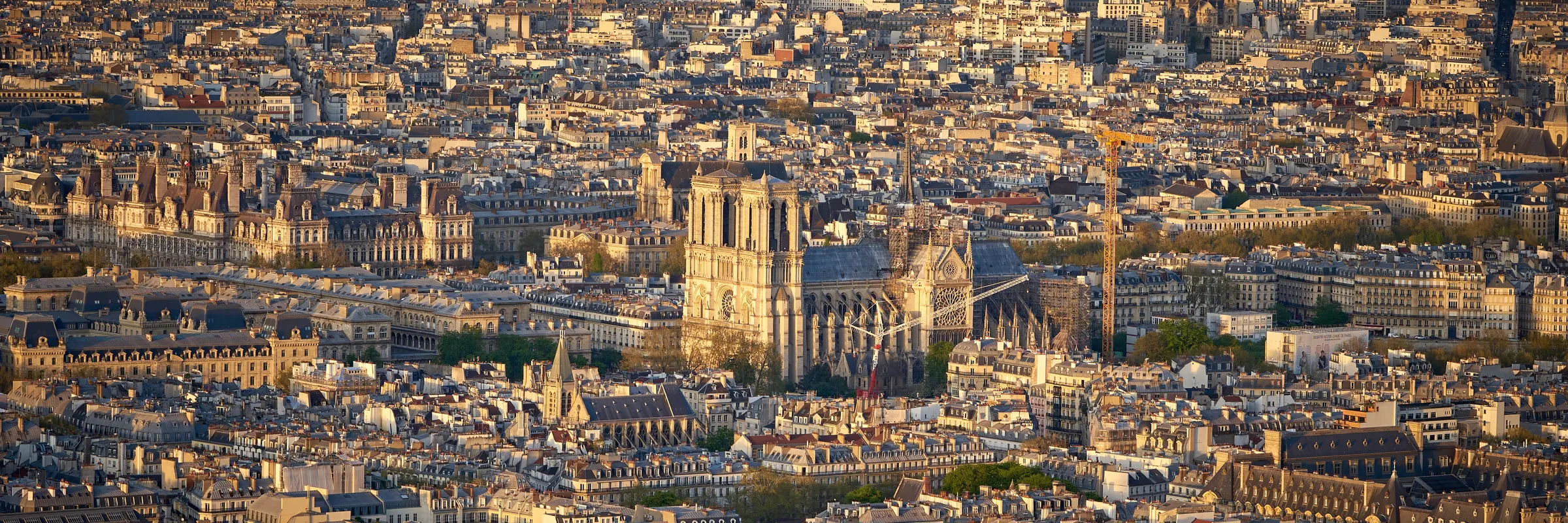
Paris is the most planned-around city in Europe and still the one most people plan badly. Everything is close, so it is tempting to improvise — and then you spend a morning crossing the city twice because two things you wanted were in opposite arrondissements.

How many days Paris needs

Three days covers the obvious Paris and will feel rushed. Five is where the city stops being a list of monuments and starts being a place you walked around — which is the actual reason to come.

The constraint is rarely distance. It is that the major sites now run on timed entry, and a day built without checking those slots first will collapse around a single 14:00 ticket you cannot move.

How the city is arranged

The arrondissements spiral out from the centre, which sounds neat and is genuinely useful: low numbers are central, and neighbouring numbers are usually walkable from each other. Plan by number and you will rarely cross the city twice.

  • 1st to 4th — the historic core, the islands, the Marais. Dense, walkable, and where most first trips spend day one.
  • 5th and 6th — the Latin Quarter and Saint-Germain, on the left bank. Easy to combine with the core.
  • 7th and 8th — the monumental Paris: the tower, the big avenues, several of the museums with timed entry.
  • 18th to 20th — Montmartre, Belleville and the east. Further out, better value, and worth a day rather than a detour.

When to go, and what each month costs you

Paris does not have a bad season so much as a set of trade-offs. The useful question is not *when is the weather best* but *what am I willing to queue for*.

  • May and JuneGo now

    The best balance of the year

    Long days, gardens at their best, and the city still working normally. Late June starts to fill up, but the terraces are open and you get light until late in the evening.

  • September and OctoberGo now

    Quieter, and the city is back at work

    The summer crowds are gone, everything that closed in August has reopened, and the light is good. October brings more rain but the queues drop noticeably.

  • March, April, NovemberWorth it, but

    Cheap and empty, with a weather gamble

    Fewer people and better prices, but you are betting on the sky. These work well if your plan can move indoor days around — which is precisely what an itinerary that reorders itself is for.

  • July and AugustThink twice

    Peak crowds, and half the city is away

    The heat is manageable but the queues are not, and a genuine Parisian tradition is closing for August: independent restaurants, small shops and neighbourhood bakeries shut for weeks. Museums stay open; the places locals actually go often do not.

  • DecemberWorth it, but

    Short days, good atmosphere

    Daylight is short enough to cut your sightseeing in half, but the city looks its best and the museums are calm. A good choice if the trip is about food and indoors rather than walking.

Things that change the trip

  • Book timed entry before you build the days, not after. The slot decides the day; everything else moves around it.
  • Many museums close one day a week, and it is not the same day everywhere. Two closed on the same weekday is a common way to lose an afternoon.
  • The centre is far more walkable than it looks on a métro map. Crossing three arrondissements on foot is often faster than two changes underground.
  • Sunday changes the city: many shops shut, but the Marais is a notable exception and museums are usually open.
  • If you go in August, plan around independent closures rather than assuming your list will be open.

Plan Paris around the tickets you actually have

Three days in Paris is inside the free version: one destination, up to three days, no account. Longer trips and day trips out to Versailles or Giverny are Premium.

Destinations