
Skip to content
JoruJoru
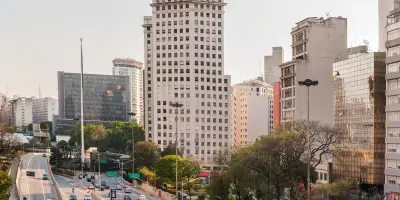
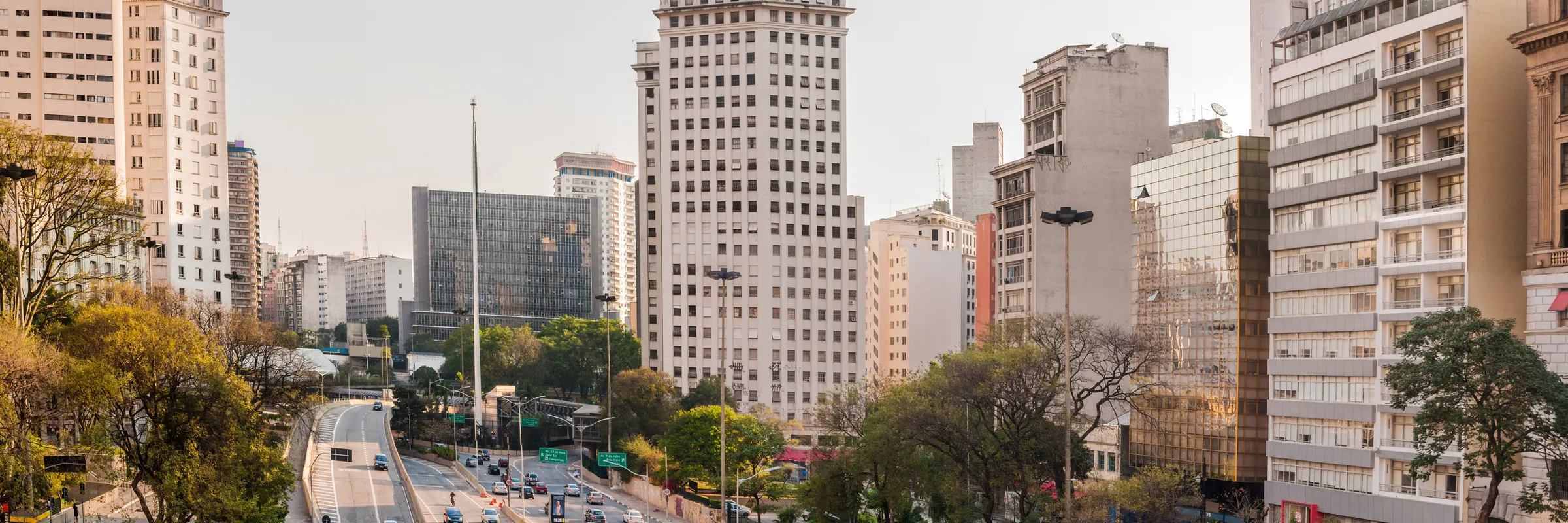
São Paulo: an avenue running into the downtown towers
Photo: Wilfredor · CC0
São Paulo, Brazil

São Paulo: how many days you need and when to go

Nobody comes to São Paulo for the view, and that is the honest starting point: it is enormous, grey, congested and has no single monument anyone photographs. What it has instead is the largest Japanese population outside Japan, an Italian one that shaped how the city eats, the best restaurants and galleries in South America, and a nightlife that starts when other cities are finishing. It is a city you go to for something specific, and it is extraordinary at that thing.

Short answers

What people ask before booking

How many days do you need in São Paulo?

São Paulo needs three days, and they are about what you came for rather than a list of sights: one for the centre and the art, one for a neighbourhood and its market, and one for the food.

What is the best month to visit São Paulo?

April and May — Autumn: the rain stops and the air clears. August and September — The end of winter, warming and still dry.

Which months are worth avoiding in São Paulo?

November — The rains settle in. December, January and February — Hot, wet and the streets flood.

How many days São Paulo needs

Three days is right for a first visit: one for the centre and the art, one for a neighbourhood and its market, and one for the food and the night. This is not a city you tick off — there is no list — so the days are about deciding what you are here for and going deep on it.

A fourth day is worth it if you want the coast at Santos or the mountains at Campos do Jordão, or simply to eat more. Many people give São Paulo a single night on the way to Rio or the north, which is a defensible plan for a beach trip and a waste if you care about food, art or music.

How the city is arranged

There is no centre in the way other cities have one, and the useful approach is to pick two or three neighbourhoods and treat them as separate towns. Distances are large and the traffic makes them larger, so an itinerary that hops across the city three times in a day is an itinerary spent in a car.

  • Centro — the historic core, the cathedral, the municipal theatre and the market. Busy and working by day, and not somewhere to wander after dark.
  • Avenida Paulista — the spine of the modern city, with the art museum, the bookshops and the Sunday closure to traffic that turns it into a promenade. The single best introduction to São Paulo.
  • Jardins and Pinheiros — the wealthy and the fashionable respectively, with the restaurants, the galleries and the bars that get written about.
  • Vila Madalena — the street-art quarter with the painted alley, the small bars and the music. Where a night out starts.
  • Liberdade and Bixiga — the Japanese and the Italian neighbourhoods, both a century old and both still cooking accordingly.

Where to stay, and being straight about safety

São Paulo has real street crime and it is concentrated and predictable rather than random. The practical version: phone snatching is the common risk, it happens on foot and at traffic lights, and the answer is not to have a phone visible in the street. Locals do not, and that is the whole adaptation most visitors need to make.

That shapes the neighbourhood choice. The areas below are the ones where visitors stay comfortably; the historic centre is worth a daytime visit and is not where to book a bed.

AreaWho it suitsThe catch
Paulista and Bela VistaA first visit. The art museum, the metro, the Sunday avenue and walkable streets.A business district at heart; the best eating is a short ride west.
JardinsRestaurants, shops and the calmest streets in the centre of the city.The most expensive area, and it can feel sealed off from the city around it.
PinheirosThe best combination of food, bars and metro access, and where the city's own crowd is.Busy and loud on weekend nights, which is the reason to be there.
Vila MadalenaNightlife, street art and small bars within walking distance.Poorly served by the metro, so late-night travel means an app.
CentroBeing next to the historic buildings and the market.Not a place to be on foot after dark. Visit by day and sleep elsewhere.

Getting around, and the traffic that shapes the day

The metro is excellent and it does not go everywhere. Where it reaches, it is fast, clean and the best way to move; where it does not — including some of the best eating and drinking — you are in a car, and the car is in traffic that is among the worst in the world.

The practical consequence is scheduling rather than distance. Crossing the city at six in the evening can take three times as long as the same trip at eleven in the morning, and the difference is enough to lose an afternoon.

  • Ride-hailing apps are cheap, universal and the normal way to move. Street taxis are fine too; the apps remove the fare question.
  • Check the hour, not the distance. The evening peak is long and it is not survivable by optimism.
  • Avenida Paulista closes to cars on Sundays and fills with people, musicians and stalls. It is free and it is the city at its best.
  • The city has a rotating driving restriction by number plate in the central zone at peak hours, which matters only if you rent a car — and you should not.

The art, the immigration and what the city is actually for

São Paulo's museums are the reason a lot of people come. The art museum on Paulista displays its collection on glass easels in the middle of the room rather than against walls, so you walk among the paintings and see the backs of them — an idea from the 1960s that is still unlike anywhere else.

The other thing to understand is the immigration, because it is not background — it is the city. The largest Japanese diaspora in the world lives here, alongside Italian, Lebanese, Portuguese and northeastern Brazilian communities that each brought a cuisine and kept it.

  • The Paulista art museum is free on one day a week, which it publishes and which is worth checking against your dates.
  • Liberdade is a century-old Japanese neighbourhood, not a themed street. The Sunday market there is the real thing.
  • Ibirapuera park is the city's Central Park with several museums inside it, and it is free.
  • The street art is officially tolerated and often commissioned, which is why it is at a scale you do not see elsewhere.

How eating works here

This is the best eating city in South America and it is not close. The reason is the immigration stack: an Italian tradition a century deep, the Japanese one, the Lebanese one, and the northeastern Brazilian food brought by internal migration. The everyday version of all of it is cheap.

The two conventions to know are the lunch buffet — *por quilo*, where you serve yourself and pay by the weight of the plate, which is how the city eats on a weekday — and the Saturday feijoada, which is a lunch and an afternoon rather than a meal.

  • Pay-by-weight lunch buffets are everywhere and are how the city eats. Take a plate, serve yourself, weigh it at the till.
  • Feijoada is a Saturday lunch and it is heavy enough that nothing is planned afterwards. Many places serve it only that day.
  • Dinner is late and nightlife is later. Bars fill after ten and clubs after one.
  • Tipping is usually a ten per cent service charge added to the bill. It is optional and almost always paid.

Where to eat in São Paulo, and what to order

You could eat in this city for a month without repeating a cuisine, and the good version of almost everything is cheap. Eat one pay-by-weight lunch, one feijoada on a Saturday, and one meal in a neighbourhood that immigrants built — and you will have understood more about São Paulo than any monument would tell you.

  • Feijoada

    What to order

    The Saturday meal, and what it commits you to

    Black beans slow-cooked with several cuts of pork, served with rice, greens, orange slices and toasted cassava flour. It is a Saturday lunch and it takes the afternoon with it. The orange is not a garnish — it cuts the fat, and it is why it is there. Order a light caipirinha with it and cancel your evening plans.

    Check it on Wikidata
  • Mercado Municipal

    Market

    The market, and the sandwich people queue for

    A 1930s market hall with stained-glass windows, fruit stalls that hand out samples, and an upstairs gallery of counters. The mortadella sandwich is the thing — an absurd quantity of thin-sliced mortadella in a roll — and the queue for it is the market's own landmark. Go hungry and share one.

    Check it on Wikidata
  • Coxinha

    What to order

    The everyday snack, from any bakery counter

    A teardrop of shredded chicken in dough, breaded and fried, shaped to imitate a chicken drumstick. It is in every bakery in the country and São Paulo argues it does them best. Eat one standing at a counter with a coffee; that is the format.

    Check it on Wikidata
  • Pastel

    What to order

    The market-day snack with an immigrant history

    A thin, deep-fried pastry envelope filled with cheese, meat or heart of palm, sold at street markets alongside sugarcane juice. It came from Chinese and Japanese immigrants adapting a fried dumpling, and the pairing with cane juice is the local ritual. Eat it at a weekend street market, not a restaurant.

    Check it on Wikidata
  • Liberdade

    Where to look

    The Japanese neighbourhood, which is not a theme

    A century-old district holding the largest Japanese community outside Japan, with the shops, the bakeries and a street market on Sundays. It is a working neighbourhood and not a tourist street, which is why the food is the real thing. Go on a Sunday for the market.

    Check it on Wikidata
  • Bixiga

    Where to look

    The Italian neighbourhood, and the Sunday it is built around

    The old Italian quarter, settled by immigrants from the late nineteenth century, with the cantinas that fed them and still do. Sunday lunch here is an institution — long, loud and family-sized. It is also the historic heart of the city's samba schools, which is a combination only São Paulo could produce.

    Check it on Wikidata

When to go, and what each month costs you

São Paulo sits at 800 metres, which makes it cooler and greyer than most people expect from Brazil — this is not a beach climate. The year splits into a wet, hot summer and a dry, mild winter, and the thing to plan around is the summer rain, which arrives as violent late-afternoon storms and floods streets fast. The seasons are reversed from the northern hemisphere.

  • April and May

    Go now

    Autumn: the rain stops and the air clears

    The wet season ends, the humidity drops and the days settle into something mild and dry. Comfortable for walking, which matters in a city this size. The best window of the year and one that few visitors know to pick.

  • August and September

    Go now

    The end of winter, warming and still dry

    Mild, dry and increasingly bright as spring arrives, with the storms not yet returned. Good for the parks and for walking Paulista on a Sunday. Prices are moderate and the city is at its most functional.

  • June and July

    Worth it, but

    Winter: dry, grey and cooler than you expect

    Dry and mild by any standard but genuinely cool by Brazilian ones, with grey overcast days and cold evenings. Bring a jacket — this surprises almost everyone. The museums, restaurants and music are entirely unaffected, and this is the cheapest good window.

  • March and October

    Worth it, but

    The edges of the wet season

    Warm with returning or receding afternoon storms, in no reliable pattern. Perfectly workable if you keep the afternoons flexible. Carnival moves between February and early March and changes the city completely for a week when it lands.

  • November

    Think twice

    The rains settle in

    Hot, humid and increasingly wet, with the storm season established. Traffic worsens sharply when it rains, which turns a short trip into a long one. Cheap, but the city is at its least pleasant to move around.

  • December, January and February

    Think twice

    Hot, wet and the streets flood

    The peak of the wet season: heavy daily storms, high humidity and flash flooding that closes roads with little warning. It is also the Brazilian summer holidays, so prices rise while the weather is at its worst. Carnival falls in this window and moves each year — the city empties towards the coast.

Things that change the trip

  • Pick two neighbourhoods and stay in them. Crossing this city repeatedly in a day is how a trip becomes a commute.
  • Check the hour before any journey, not the distance. The evening peak triples travel times and it is entirely predictable.
  • Do not have a phone visible in the street. This is what residents do and it is the single adaptation worth making.
  • Walk Avenida Paulista on a Sunday when it closes to cars. It is free, it is the whole city in one place, and it is the best introduction there is.
  • Eat a pay-by-weight lunch at least once. It is how the city eats on a weekday and it costs almost nothing.
  • Bring a jacket for June and July. São Paulo is at 800 metres and its winter is grey and genuinely cool.

Plan São Paulo around what you came for

A trip of more than three days, or one that adds Rio, the coast or Iguaçu and the flights between them, is what Premium is for. The free version covers one destination of up to three days.

Destinations