



Skip to content
Joru
Colombia

Cartagena

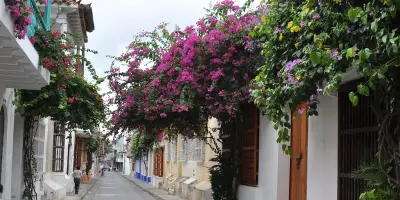
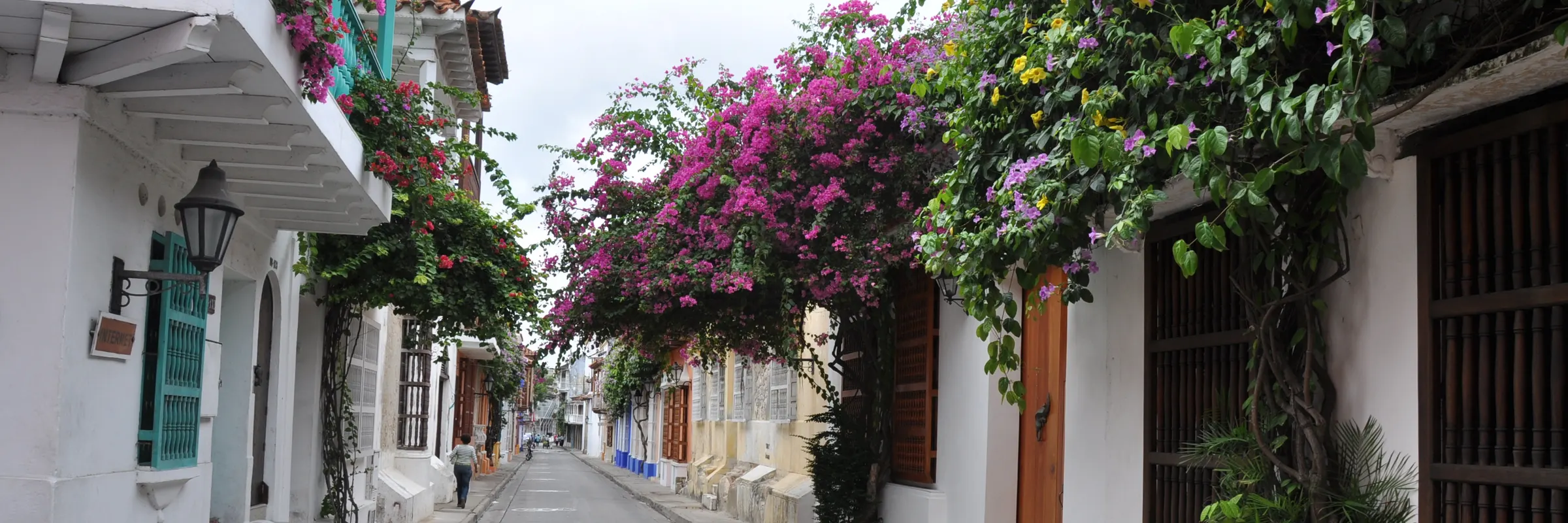
Cartagena's historic centre is compact enough to walk in an afternoon, which makes it deceptively easy to plan and surprisingly hard to enjoy at the wrong time of year. This is a hot, humid, coastal city, and the difference between the dry season and the wet one is substantial.

How many days Cartagena needs

Two days covers the walled city and Getsemaní properly. A third adds the islands or the beaches, which is what most people actually came for.

The city works best on a split-day rhythm: mornings and evenings outside, the hottest hours indoors or on the water. Fighting that produces a worse trip than accepting it.

How the city is arranged

Three quite different places within a few kilometres of each other, and each has a different reason to be there.

  • The walled city — colonial streets, the walls themselves, and where the evening is best spent.
  • Getsemaní — just outside the walls, livelier and better value, and where the food is more interesting.
  • Bocagrande — the modern high-rise strip on the beach, which feels like a different city entirely.
  • The Rosario islands — a boat trip out, and the clearest water in reach.

When to go, and what humidity does to a plan

Temperatures barely move across the year — it is hot in every month. What changes is rainfall and humidity, and that is enough to change the trip.

  • December to AprilGo now

    The dry season, and it is a real difference

    Little rain, more breeze and lower humidity, which makes walking the old city genuinely pleasant. This is peak season, so prices are high and the walled city gets busy — particularly around the turn of the year.

  • July and AugustWorth it, but

    A drier gap inside the wet season

    A relatively drier interlude between the two rainy peaks, with fewer visitors than the winter high season. A reasonable compromise if the dates suit.

  • May, June, NovemberWorth it, but

    Rain, but usually in bursts

    Wetter and more humid, typically as heavy afternoon showers rather than all-day rain. Prices are lower and the city is quieter.

  • September and OctoberThink twice

    The wettest months, and peak storm risk

    The heaviest rainfall of the year and the peak of the Atlantic hurricane season. Cartagena is rarely hit directly, but the weather is at its least cooperative and boat trips to the islands are more often cancelled.

Things that change the trip

  • Plan the walled city for early morning and after sunset. In the middle of the day it is genuinely uncomfortable, and the light is worse for it too.
  • Prices inside the walls are several times those in Getsemaní, a five-minute walk away, for very similar food.
  • Island boat trips are weather-dependent and get cancelled. Keep them early in the trip so there is a second chance.
  • The city beaches are not the reason to come. The islands are, and they are a different experience entirely.
  • Persistent street selling is part of the walled city. A polite, firm no is normal and expected.

Plan Cartagena around the heat

Three days in Cartagena is inside the free version: one destination, up to three days, no account. Adding the islands or the coast is Premium.

Destinations