


Skip to content
JoruJoru
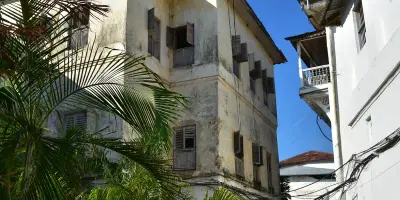
Zanzibar: the seafront at Stone Town
Photo: Richard Mortel from Riyadh, Saudi Arabia · CC BY 2.0
Zanzibar, Tanzania

Zanzibar: how many days you need and the best months to go

Two things about Zanzibar are not in the photographs. The first is that it is not only a beach: Stone Town is a thousand years of Swahili, Omani, Persian and Indian trade compressed into a warren of coral-stone alleys, and it is a UNESCO site for good reason. The second is the tide, which on the east coast goes out for hundreds of metres and takes the swimming with it — a fact that decides how a beach day works and that almost nobody plans for.

Short answers

What people ask before booking

How many days do you need in Zanzibar?

Zanzibar needs five days split between two bases: two nights in Stone Town, which is a UNESCO site and not optional, and three on a coast. Seven adds the spice farms and the forest.

What is the best month to visit Zanzibar?

June, July, August and September — The long dry season, cooler and reliable. December, January and February — The short dry season, hot and calm.

Which months are worth avoiding in Zanzibar?

April and May — The long rains, when parts of the island close.

How many days Zanzibar needs

Five days is the working minimum, split between two bases: two nights in Stone Town and three on a coast. Stone Town needs a full day and a half and is genuinely worth it; the beach needs enough time that the travel between them is not most of the trip.

Seven days is where the island opens up. The extra time goes to a spice farm, the forest and its monkeys, and a day on a dhow, all of which are cheap and none of which appear in the brochure photograph. Zanzibar is also the standard add-on to a mainland safari, which is why a week here is common.

How the island is arranged, and which coast to pick

The island is about eighty kilometres long, Stone Town sits on the west coast, and the beaches are on the north and east. The coasts are genuinely different and the choice matters more than the hotel does, because the tide behaves differently on each and the atmosphere does too.

  • Stone Town — the old trading city on the west coast, a UNESCO warren of alleys, carved doors and former palaces. Not a beach town and not optional.
  • Nungwi and Kendwa (north) — the deepest water and the only beaches where you can swim at any state of the tide. Busiest, most developed, best sunsets.
  • Paje and Jambiani (east) — long white beaches, kitesurfing, and a tide that goes out several hundred metres twice a day. Cheaper, calmer, and less swimmable.
  • Matemwe and the north-east — quieter versions of the east coast, with Mnemba atoll offshore for the best snorkelling and diving.
  • The interior — spice farms and Jozani forest, where the red colobus monkeys live. Half a day each and both on the road between the coasts.

The tide, which decides your beach day

This is the thing that catches people out. On the east coast the water retreats several hundred metres at low tide, leaving a flat of seagrass and sand where local women farm seaweed and where the sea is simply not available. It comes back a few hours later. This is not a bad day or a bad hotel; it is how that coast works, twice a day, every day.

The practical consequences are simple once you know. Check the tide before planning a swim, wear something on your feet on the flats because of sea urchins, and if uninterrupted swimming matters to you, book the north coast instead where the water is deep enough that the tide barely matters.

  • North coast for swimming, east coast for the beach itself. That is the whole decision, and it is worth making deliberately.
  • Low tide on the east coast is not wasted time — it is when the flats are walkable, the seaweed farms are working and the light is best.
  • Reef shoes are worth having. Sea urchins are common on the flats and the injury is genuinely painful.
  • Dhow trips and snorkelling run on the tide, not on the clock, which is why departure times move.

Stone Town, and why it is not just a stopover

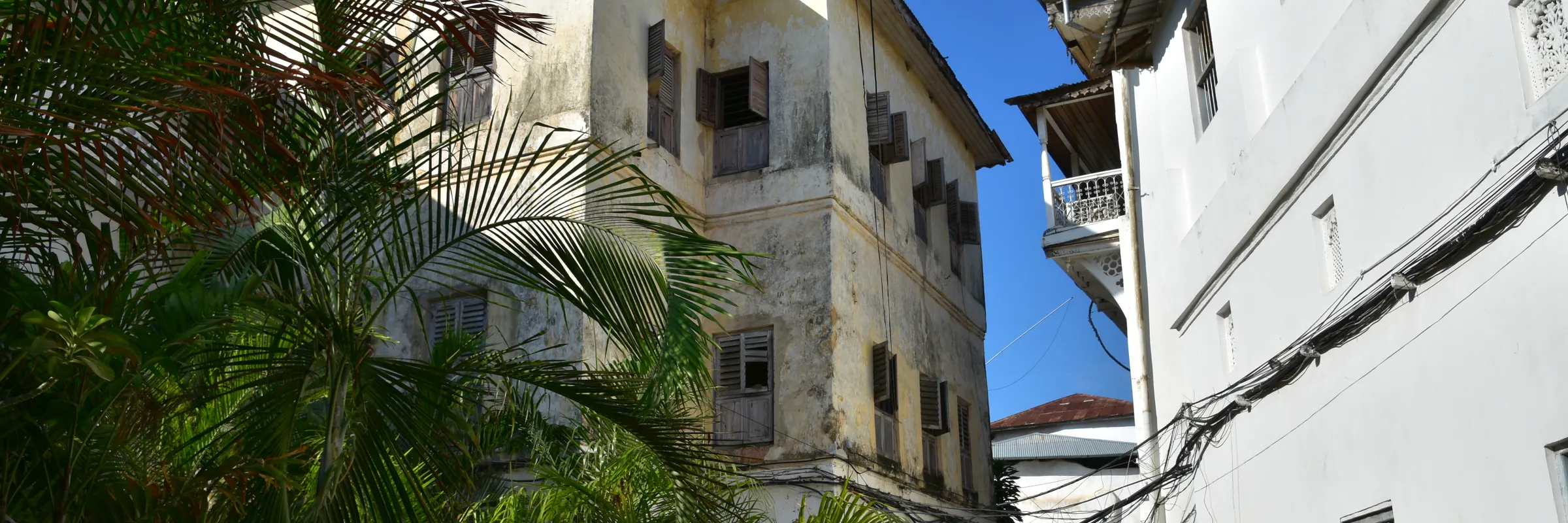
Stone Town is the reason Zanzibar is more than a beach, and giving it one rushed afternoon is the most common mistake here. It was one of the great ports of the Indian Ocean monsoon trade, and the architecture reads as a layered record of it: Omani and Indian doors, Persian baths, British-era buildings and Swahili houses all in the same alley.

It is also the site of the East African slave trade's main market, and the memorial and museum on that site are direct and unsparing. This is the part of the island's history that the beach resorts do not mention, and it is the reason the town matters.

  • Get lost on purpose. The alleys are too narrow for cars and short enough that you always reach the sea or the main road.
  • The carved doors are the local art form — Indian ones have brass spikes, Omani ones are rounded — and they are the town's signature.
  • The former slave market site holds a memorial, a cathedral and a museum, and it is the most important thing to see here.
  • Dress modestly in town. Zanzibar is overwhelmingly Muslim, and shoulders and knees covered away from the beach is both expected and easy.

The spices, and the trade that made the island

Zanzibar was the largest clove producer in the world for much of the nineteenth century, and the plantations are still here. A spice farm tour is the standard half-day and it is genuinely good: you walk a smallholding while someone pulls up, cuts open and hands you cloves, nutmeg, cinnamon bark, vanilla, lemongrass and cardamom.

The wider point is that the island's food is Indian Ocean food rather than East African food. The rice dishes, the flatbreads and the spice mixes came in on the monsoon trade from Oman, Persia and India, and they stayed.

  • The spice tours are run by farms and cooperatives, and the small ones are better than the bus versions.
  • Cloves are still a major export and you can smell them drying on mats by the roadside in season.
  • Jozani forest is the only place to see the red colobus monkey, which lives nowhere else on earth. Half a day and it is on the way east.
  • Buy spices in Stone Town's market rather than at the farm gate if you want a price rather than a performance.

How eating works here

The food is Swahili coast food: rice, coconut, fish and spice, with strong Indian and Arab influence. Away from the resorts it is very cheap and very good, and the best of it is either from a market grill or from a small place with four tables.

The practical thing is Ramadan. The month moves through the calendar each year, and during it many local restaurants close during daylight hours and the whole rhythm of the island changes. Resorts operate normally; Stone Town does not.

  • Fish is the default and it is landed that morning. Ask what came in rather than reading the menu.
  • Alcohol is limited outside hotels and resorts, which is a consequence of the island being predominantly Muslim rather than a rule aimed at visitors.
  • Tap water is not drinkable. Bottled or filtered, including for teeth.
  • During Ramadan, eating and drinking in public in daylight is avoided by residents, and matching that in Stone Town is basic courtesy.

Where to eat in Zanzibar, and what to order

Zanzibari food is the food of the monsoon trade — Indian rice dishes, Arab spicing and African ingredients, cooked on an island that grew the spices. Eat at the night market once, in a small local place the rest of the time, and order fish you watched come off a boat.

  • Forodhani Gardens

    Market

    The evening market, and how to use it without being fleeced

    A seafront garden that turns into a food market at dusk, with grills of seafood, skewers and sugarcane juice pressed in front of you. Agree the price before anything is cooked and be wary of platters assembled without one. It is touristy, it is fun, and one visit is the right number.

    Check it on Wikidata
  • Pilau

    What to order

    The everyday dish that explains the island's history

    Rice cooked in stock with whole spices — cloves, cardamom, cinnamon, black pepper — and meat or fish through it. It came from Persia and Oman with the monsoon trade and it stayed, and it is the closest thing Zanzibar has to a national dish. Milder than the Indian versions and deeper.

    Check it on Wikidata
  • Biryani

    What to order

    The Sunday and celebration version of the same idea

    The richer, layered cousin of the everyday rice dish, with the rice and the sauce cooked separately and combined at the end. It is a celebration dish here rather than a weekday one. The local version is less fiery than the South Asian original and uses the island's own spices.

    Check it on Wikidata
  • Mandazi

    What to order

    The thing to eat for breakfast or from a street cart

    Lightly sweet fried dough, triangular or round, eaten with tea in the morning or as a snack at any hour. It is the East African coast's everyday bread and it costs almost nothing. Best when it is still warm, which means buying it where people are queueing.

    Check it on Wikidata
  • Clove

    What to order

    The crop that built the island, and what to do with it

    Zanzibar was the world's largest producer for much of the nineteenth century, and the trees are still here. You will smell them drying on mats by the road in season. Buy them at the Stone Town market rather than at a farm gate, and take a spice farm tour to see where they come from.

    Check it on Wikidata
  • Stone Town

    Where to look

    Where to eat while you are in the old town

    The UNESCO old town on the west coast, where the alleys hold small restaurants, rooftop terraces and the market. Eat away from the seafront, where the prices are set for people who arrived by boat. Two streets inland the same fish costs a fraction.

    Check it on Wikidata

When to go, and what each month costs you

Zanzibar sits just south of the equator, so the temperature barely moves and the year is organised entirely around two rainy seasons. The long rains in particular are severe enough that a meaningful number of hotels and restaurants simply close for them — this is the single most important thing to know before booking.

  • June, July, August and September

    Go now

    The long dry season, cooler and reliable

    The best window: dry, less humid, with a steady breeze and clear water for diving. It coincides with the European summer and with the peak safari season on the mainland, so this is also the most expensive and most booked stretch of the year. Worth it, and worth booking early.

  • December, January and February

    Go now

    The short dry season, hot and calm

    Hot, humid and mostly dry, with flat seas and the best conditions for snorkelling at Mnemba. Christmas and New Year are the annual price peak; January and February afterwards are quieter and just as good. Ramadan moves through the calendar and can fall here.

  • October and November

    Worth it, but

    The short rains: brief, warm and much cheaper

    Short, heavy afternoon showers that clear quickly, with plenty of sun between them. Prices drop noticeably and the island is quiet. This is the best value window and the one most people overlook.

  • March

    Worth it, but

    Hot and humid, before it breaks

    The hottest and stickiest weeks, with the long rains not yet arrived but the humidity building. Cheap and workable, with everything still open. Diving visibility begins to drop towards the end of the month.

  • April and May

    Think twice

    The long rains, when parts of the island close

    The heaviest rain of the year, falling for hours rather than in showers, with rough seas and poor visibility for diving. A significant number of hotels, restaurants and dive centres close entirely for these weeks — this is the crucial fact. Prices are at their lowest for a reason, and boat trips are frequently cancelled.

Things that change the trip

  • Do not book April or May. The long rains are severe and many hotels, restaurants and dive centres close outright for them.
  • Choose the north coast if you want to swim whenever you like, and the east coast if you want the beach itself. The tide is the whole difference.
  • Give Stone Town two nights, not an afternoon. It is a UNESCO site and a thousand years of trade history, and it is the reason this is more than a beach trip.
  • Cover shoulders and knees away from the beach. Zanzibar is overwhelmingly Muslim and it costs you nothing.
  • Check whether your dates fall in Ramadan. The month moves each year and it changes the rhythm of everything outside the resorts.
  • Bring reef shoes. The east-coast flats have sea urchins and the low tide is when you will want to walk on them.

Plan Zanzibar around the tide

A trip of more than three days, or one that adds a mainland safari, Dar es Salaam or Pemba and the flights and ferries between them, is what Premium is for. The free version covers one destination of up to three days.

Destinations