


Skip to content
Joru
Mexico

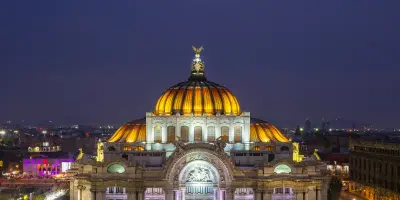
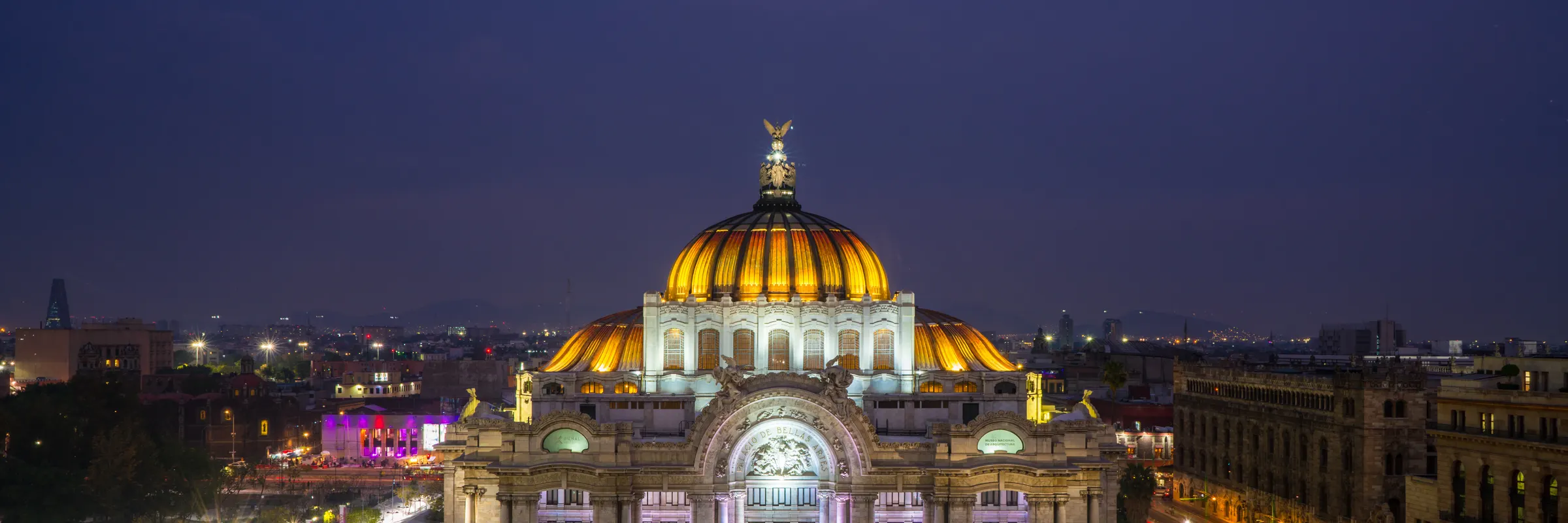
Mexico City

Mexico City is one of the largest cities in the world and one of the most rewarding to plan properly, because its interesting parts are concentrated into a handful of walkable neighbourhoods separated by a lot of city. Getting the grouping right is the whole job.

How many days Mexico City needs

Four days is the sensible minimum: one for the historic centre, one for the museums and the park, one for the southern neighbourhoods, and one for Teotihuacán or a slower day in Roma and Condesa.

The city sits at high altitude, which is worth planning for rather than discovering. The first day is noticeably harder than the third, and a light first day is a better itinerary than an ambitious one.

How the city is arranged

Think of it as a set of walkable districts connected by longer journeys, rather than one continuous city you can cross on foot.

  • Centro Histórico — the colonial core, the cathedral, the ruins beside it. Dense and best in the morning.
  • Roma and Condesa — tree-lined, walkable, and where most of the food and cafés are.
  • Chapultepec and Polanco — the park and the major museums, including one of the finest anthropology museums anywhere.
  • Coyoacán and San Ángel — the southern villages absorbed by the city, and a half-day of a different pace.

When to go, and what the rainy season really means

The altitude keeps temperatures mild all year — this is not a hot city — so the real variable is rain, and it is far less disruptive than the word 'rainy season' suggests.

  • March to MayGo now

    Dry, warm and clear

    The warmest and driest stretch, before the rains start. Long clear days and comfortable evenings. Air quality is generally worse in the dry months, which is the trade-off.

  • October and NovemberGo now

    The rains have stopped, the air is clean

    Arguably the best window: the rain has washed the air, everything is green, and the weather is settled. Día de Muertos falls at the start of November and is a genuine reason to plan around these dates — book well ahead if so.

  • June to SeptemberWorth it, but

    Rainy season, which mostly means late afternoon

    It rains most days, but typically as a heavy burst in the late afternoon or evening rather than all day. Mornings are usually clear. Cheaper, greener, and much less of an obstacle than people expect — carry a jacket and plan indoor afternoons.

  • December to FebruaryWorth it, but

    Dry, cool nights, and hazier air

    Pleasant days and genuinely cold evenings by local standards. This is when air quality tends to be at its worst, which matters if you are sensitive to it.

Things that change the trip

  • Take the first day easy. The altitude is over two thousand metres and it affects most people for a day or two.
  • Group each day into one district. The city is too big to bounce between the centre and the south twice in a day.
  • The anthropology museum needs a half-day minimum and is worth it. Do not schedule it as an hour.
  • Ride-hailing apps are the standard way to cover longer distances and remove the fare negotiation entirely.
  • Teotihuacán is an easy day trip and much better early, before both the heat and the coaches arrive.

Plan Mexico City district by district

A four-day trip needs Premium; the free version covers one destination for up to three days, with the places drawn from open data either way.

Destinations