



Skip to content
Joru
Thailand

Bangkok

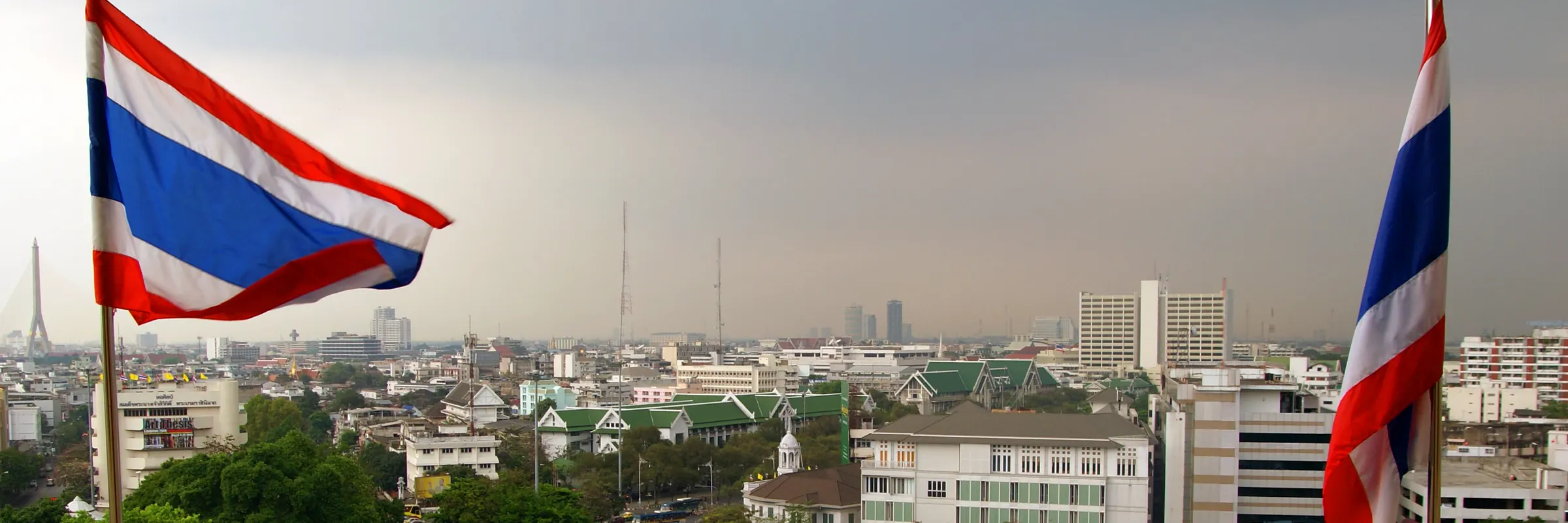
Bangkok is regularly the most-visited city in the world, and the reason so many first trips feel exhausting is that people plan it by map distance. In a city where a short taxi ride can take fifty minutes, the only useful geography is the river and the two elevated rail lines.

How many days Bangkok needs

Three days is enough for the old city, the river and a proper look at modern Bangkok. A fourth lets you slow down, or take a day trip out to Ayutthaya, which is the single best addition to a Bangkok trip.

Many people treat Bangkok as a transit stop of one night. That is a mistake in the other direction: the city rewards two or three days far more than the twenty-four hours most itineraries give it.

How the city is arranged

Forget the map. What matters is whether a place is on the river, on a rail line, or neither — and 'neither' means budgeting an unpredictable amount of time to reach it.

  • Rattanakosin — the old royal city, the palace and the big temples. On the river, not on the rail network.
  • The river itself — express boats are fast, cheap and scenic, and often the quickest way across the city.
  • Sukhumvit and Silom — modern Bangkok along the Skytrain lines. Food, malls, and where most people stay.
  • Thonburi, across the river — quieter canals and a different pace, ten minutes and a world away.

When to go, and what each season costs you

Bangkok has three seasons, not four, and they are unusually distinct. None of them is cold; the question is heat versus water.

  • November to FebruaryGo now

    The cool dry season — and it is genuinely better

    Lower humidity, little rain, and temperatures that make walking the old city possible. This is peak season for a reason: it is the only window where a full outdoor day is comfortable. Book ahead, especially around the turn of the year.

  • OctoberWorth it, but

    The monsoon tailing off

    Rain is easing and the crowds have not arrived. A good-value gamble if you can move an afternoon indoors when it pours.

  • June to SeptemberWorth it, but

    Monsoon: heavy, brief, and cheap

    The rain is usually intense but short — an hour in the afternoon rather than an all-day drizzle — and everything is noticeably cheaper and emptier. Flooding in low-lying streets is the real disruption, not the rain itself.

  • March to MayThink twice

    The hot season, which is hotter than you think

    The hardest months: extreme heat with high humidity and little wind. Songkran, the Thai new year water festival, falls in mid-April and is genuinely worth experiencing — but much of the country shuts down around it and travel gets difficult.

Things that change the trip

  • Build each day around one rail line or the river. Crossing the city at rush hour can take an hour for a few kilometres.
  • River express boats are a public transport system, not a tour. They are the fastest way to reach the old city from the centre.
  • Temples enforce dress codes: covered shoulders and knees. Being turned away at the gate is a common and avoidable waste of a morning.
  • Metered taxis are cheap but the meter has to be running. Ride-hailing apps avoid the negotiation entirely.
  • Street food is at its best in the evening, and the safest heuristic is the same everywhere: a long queue of locals and high turnover.

Plan Bangkok around the rail lines

Three days in Bangkok is inside the free version. Adding Ayutthaya, Chiang Mai or the islands, with the transport between them, is Premium.

Destinations