Skip to content
Joru
British Columbia, Canada

Vancouver

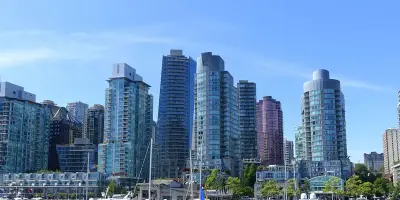
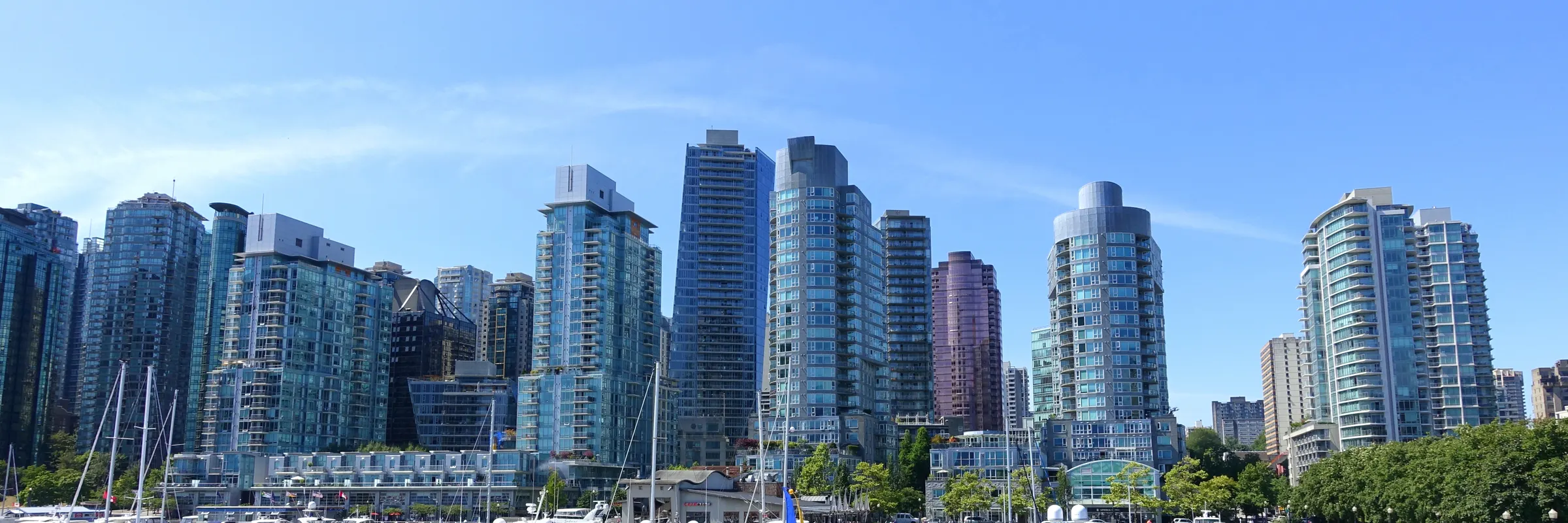
Vancouver is small for a major city and unusually well placed: you can be in the mountains or on the water within half an hour of downtown. That geography is also the reason the month you choose matters more here than in most of North America.

How many days Vancouver needs

Three days covers the city and one trip out of it — the mountains, the suspension bridges or the ferry to an island. Two is enough for the city alone, which is compact and easy.

The stronger argument is to use Vancouver as a base. Whistler, Vancouver Island and the Sea-to-Sky corridor are all close, and a trip built as city plus one of them is better than four days in the city.

How the city is arranged

The downtown sits on a peninsula, with water on three sides and mountains straight ahead. It is one of the easiest big-city layouts to hold in your head.

  • Downtown and the West End — walkable, and the seawall path around the edge is the single best thing to do here.
  • Stanley Park — a genuine forest at the end of downtown, and a half-day on foot or by bike.
  • Gastown and Chinatown — the historic quarters, immediately east.
  • Kitsilano and Granville Island — across the water, beaches and a food market, reachable by small ferry.

When to go, and how big the difference is

Vancouver has one of the wettest winters and one of the most reliable summers on the continent. The gap between them is not a matter of degree — it is a different trip.

  • July and AugustGo now

    Dry, long and reliably clear

    The driest months of the year by a wide margin, with long evenings and the mountains fully open. It is peak season and priced accordingly, but the weather genuinely justifies it.

  • June and SeptemberGo now

    Nearly as good, noticeably cheaper

    Shoulder months with most of the summer's reliability and fewer people. September in particular is often the best value week of the year.

  • December to MarchWorth it, but

    Rain in the city, snow on the mountains

    Downtown is grey and wet rather than cold, while the ski areas half an hour away are in full season. A perfectly good winter-sports trip, and a poor city-walking one.

  • October and NovemberThink twice

    The wettest, greyest stretch

    Persistent rain, short days and neither the summer outdoors nor the winter snow. The one window with little to recommend it unless the price is the point.

Things that change the trip

  • The seawall is the best thing in the city and it is free. Give it a proper half-day rather than a twenty-minute stroll.
  • Mountain weather is not city weather. It can be raining downtown and clear at altitude, or the reverse — check both.
  • The small ferries across False Creek are cheap, frequent and much more pleasant than going around by land.
  • Ferry crossings to Vancouver Island fill up in summer, especially with a vehicle. Reserve rather than turning up.
  • Summer wildfire smoke has become a real possibility in recent years and can affect air quality and views for days. Worth checking rather than assuming.

Plan Vancouver, or the coast around it

Three days in Vancouver is inside the free version. Adding Whistler or Vancouver Island, with the transport between them, is Premium.

Destinations