



Skip to content
Joru
Egypt

Cairo

Cairo is a very large city with a small number of things most visitors come for, spread far apart, in traffic that makes any journey unpredictable. Plan two things a day rather than four, and the trip works; plan four and you will spend it in a car.

How many days Cairo needs

Three days is a realistic minimum: one for the pyramids, one for the museum, one for Islamic and Coptic Cairo. Four gives you room for Saqqara and Dahshur, which are quieter and older than Giza and which many people prefer.

Cairo is also the standard starting point for a longer Egypt trip rather than a destination on its own. If Luxor or Aswan are in the plan, the transport between them is the thing to get right early.

How the city is arranged

The Nile runs through the middle, the pyramids sit on the western edge, and the historic quarters are east of the river. The distances are real and the traffic makes them longer.

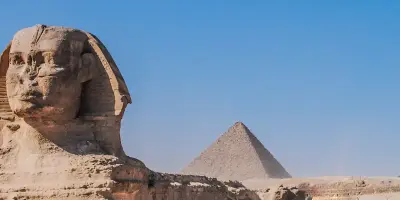
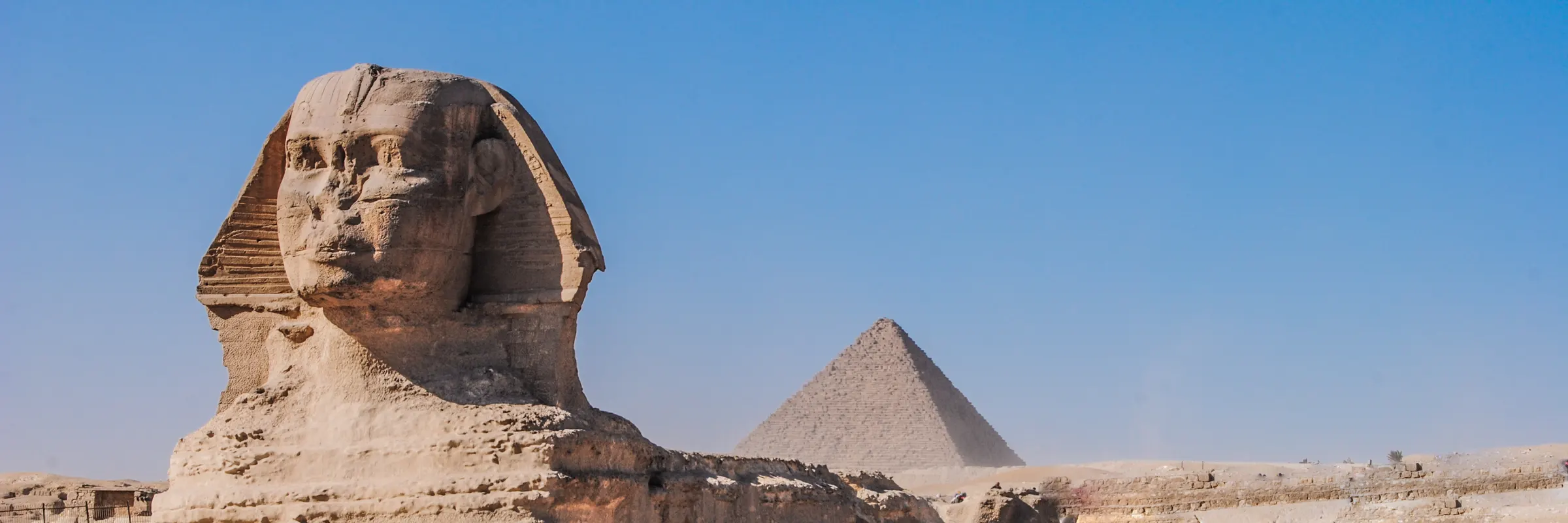
  • Giza — the pyramids, on the western edge. A morning, and much better early.
  • Downtown and the museum district — central, walkable in parts, and where the major collections are.
  • Islamic Cairo — the medieval city, the mosques and the bazaar. Dense and best on foot.
  • Saqqara and Dahshur — south of the city, older, emptier, and a half-day with a car.

When to go, and why summer is a genuine problem

Cairo has essentially two seasons: pleasant and severe. There is very little rain to plan around, so temperature is the entire question.

  • November to FebruaryGo now

    The season the sites are designed for

    Warm days, cool evenings, and the only window where standing on an unshaded desert plateau at midday is reasonable. This is peak season, so book the major sites and expect company.

  • October and MarchGo now

    Warm shoulder months, fewer people

    Hot but manageable, with noticeably thinner crowds and lower prices than the winter peak. A good compromise.

  • April and MayWorth it, but

    Rising heat, and the khamsin winds

    Getting hot, and this is the season for the khamsin — hot dust-laden winds that can reduce visibility and make outdoor days unpleasant for a day or two at a time.

  • June to SeptemberThink twice

    Extreme heat with no shade at the sites

    The pyramids and the desert sites have no shade at all, and afternoon temperatures make them genuinely unsafe to linger at. The compensation is low prices and small crowds; it is rarely worth it.

  • Ramadan (moves each year)Worth it, but

    Shorter site hours, livelier nights

    The dates move roughly eleven days earlier each year. Many sites shorten their opening hours, daytime dining is limited, and the evenings become much more animated. Worth checking against your dates.

Things that change the trip

  • Two things a day, not four. Traffic makes any third crossing of the city a gamble, and a plan that assumes it will fail.
  • Go to Giza at opening. It is cooler, emptier and better lit, and the difference is enormous.
  • Saqqara and Dahshur are older than Giza, far quieter, and a common highlight for people who go.
  • Ride-hailing apps remove the fare negotiation and are the standard way to move around.
  • Photography rules and ticket types vary by site and change; check at the gate rather than assuming.

Plan Cairo two things at a time

A three-day Cairo trip is inside the free version. Adding Luxor and Aswan, with the transport between them, is what Premium is for.

Destinations