




Skip to content
JoruJoru
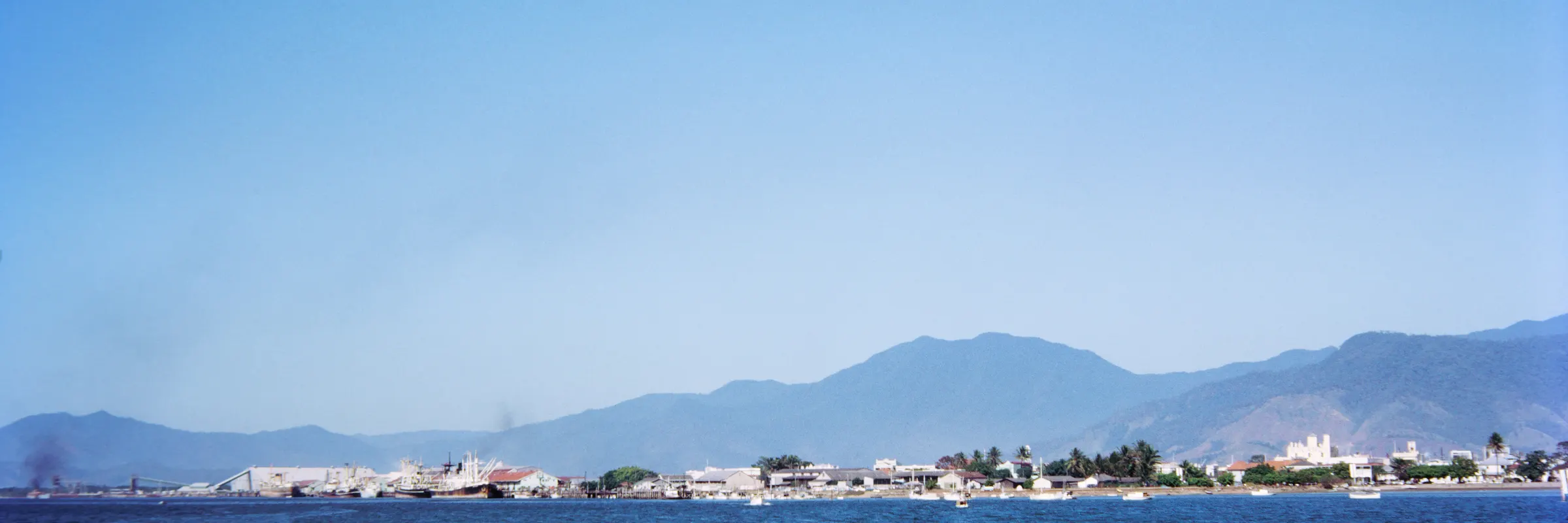
Cairns: the city with the range behind it
Photo: Jack Bain · CC BY 4.0
Queensland, Australia

Cairns: how many days you need and the best months to go

Nobody comes to Cairns for Cairns. It is the base for the Great Barrier Reef and the Daintree, and the town itself is a compact tropical strip with a lagoon where the beach should be. What makes planning this trip different from anywhere else on this site is that the calendar does not just change the weather here — it changes what you are allowed to do in the water.

Short answers

What people ask before booking

How many days do you need in Cairns?

Cairns needs three days as a base — one for the reef, one for the rainforest, one spare — and five to reach Cape Tribulation without spending the trip driving. Book a reserve reef day, because boats get cancelled for weather.

What is the best month to visit Cairns?

May to September — The dry season, and the reason people come now. April and October — The shoulders, with most of the upside.

Which months are worth avoiding in Cairns?

December to March — The wet season: heat, humidity, stingers and cyclones.

How many days Cairns needs

Three days is the working minimum: one on the reef, one in the rainforest, one for the tablelands or a second reef day. Five lets you go further north to Cape Tribulation, where the rainforest meets the reef, and not spend the whole time driving.

Build in a spare day for the reef. Boats are cancelled for weather more often than people expect, and a trip with only one reef day booked on the last morning is a trip that can miss the entire point of coming.

How the area is arranged

Cairns is a small city on a coastal strip with mountains immediately behind it and the reef offshore. Almost everything worth doing is somewhere else, and the question is which direction.

  • The city and the Esplanade — the waterfront, the boardwalk and the swimming lagoon. There is no beach in the city itself; the shore is tidal mudflat, which is why the lagoon was built.
  • The northern beaches — Trinity, Palm Cove, Yorkeys Knob, twenty to thirty minutes up the coast. This is where the actual sand is, and where a lot of people prefer to stay.
  • Port Douglas — an hour north, smaller and more polished, and closer to both the Daintree and the outer reef.
  • The Atherton Tablelands — up the range behind the city. Waterfalls, crater lakes, dairy country and a completely different climate an hour from the coast.
  • The Daintree and Cape Tribulation — two hours north, across a cable ferry. The oldest continuously surviving tropical rainforest on earth, and the only place it meets the reef.

Where to stay, and the beach question

The choice is the city or the northern beaches, and it comes down to what your days look like. Tours to the reef leave from the Cairns marina, usually early, and staying in the city means walking to the boat. Staying at the beaches means a transfer at both ends of every reef day.

The trade in the other direction is that the city has no beach and the northern strip does. If a chunk of your trip is meant to be lying somewhere, that matters — with the seasonal caveat below, which matters more.

AreaWho it suitsThe catch
Cairns city centreReef trips, the lagoon, restaurants and the night market within walking distance.No beach, and the strip can be loud at night in the backpacker blocks.
Palm Cove and the northern beachesActual sand, quiet, and a genuinely tropical setting.A transfer to every reef boat, and much less to walk to in the evening.
Port DouglasCloser to the Daintree and the outer reef, and the nicest small town on this coast.An hour from Cairns airport, and prices to match its reputation.
The TablelandsCooler nights, waterfalls, and a break from the humidity.You need a car, and you are an hour from the coast in the wrong direction for the reef.

The two things everyone comes for, and how to do them

The reef and the rainforest need different approaches. The reef is a boat trip and you should book it, not walk up — the outer reef is a couple of hours out and the operators that go there fill up. The inner reef sites are closer and cheaper and the coral is generally in poorer condition.

The rainforest works better with a hire car than a tour. The Daintree crossing is a cable ferry with a queue, and the road beyond it is sealed but narrow. A car lets you stop at the boardwalks and the swimming holes, which is the whole reason to be there.

  • On the reef, ask what the operator does about coral condition. Bleaching events have affected large sections in recent decades, and the honest operators will tell you which sites are in good shape rather than promising the postcard.
  • Take the sun seriously. This is the tropics and the UV is genuinely extreme; a rash vest in the water does more than sunscreen and does not wash off onto the coral.
  • The Kuranda Scenic Railway and the Skyrail go up the range from opposite ends — the classic day is one up and the other down.
  • Estuarine crocodiles live in the rivers, creeks and mangroves along this coast. They are not a theoretical risk, the warning signs are there for a reason, and you do not swim where a sign says not to.

The stinger season, which decides half the trip

This is the single most important practical thing about Cairns and it is often buried in the small print. From roughly November to May, box jellyfish and Irukandji are present in the coastal waters here, and unprotected swimming in the sea is not advised during that window.

It is managed rather than prohibitive. The beaches have netted swimming enclosures and the reef operators supply full-body stinger suits, which work. But it changes what a beach holiday here looks like for half the year, and it is the reason the city built a swimming lagoon on the Esplanade in the first place.

  • The dates are approximate and shift with conditions — they are not a fixed calendar, and local advice on the day is what counts.
  • The stinger nets are at the patrolled beaches only, and they cover a marked area rather than the whole shore.
  • Reef operators provide suits year-round in stinger season and many people wear them regardless, because they also solve the sun problem.
  • The lagoon on the Esplanade is free, patrolled and open all year, which makes it the reliable answer for a swim in any month.

How eating works here

Cairns eats casually and outdoors, and the good version of it is tropical produce and seafood rather than anything elaborate. The night market on the Esplanade is the cheap default and it is fine; the better food is a couple of streets back from the waterfront.

The structural notes are the Australian ones: no tipping, no service charge, and the menu price is the price. Alcohol is sold in licensed premises and bottle shops rather than supermarkets, which surprises Europeans.

  • Tropical fruit here is a genuine local product — mangoes, lychees, mangosteen — and the seasons are short and worth asking about.
  • Breakfast is a real meal and the cafés are good at it, in the Australian way. It is also the coolest part of the day, which matters here.
  • Book restaurants in the dry season. The town is small, the visitor numbers in July and August are not, and walk-ins get difficult.
  • Tap water is safe and asking for it is normal.

Where to eat in Cairns, dish by dish

Cairns is a small town and the food reflects that: no great institutions, but very good raw material and a genuinely tropical larder. The one thing to seek out is the local fish and the one thing to try is Indigenous ingredients, which are more available here than in most of Australia.

  • Barramundi

    What to order

    The local fish, and the one to order

    A firm white-fleshed fish found across northern Australia, and the default order on any menu on this coast. Wild-caught and farmed are both common and taste different; the wild is worth asking for. Grilled with lemon is the standard and it does not need more than that.

    Check it on Wikidata
  • Bush tucker

    What to order

    Indigenous ingredients, which you will not find at home

    Native Australian foods — lemon myrtle, wattleseed, finger lime, kangaroo, crocodile — appear on menus here more than in most of the country. Some restaurants do this thoughtfully and some do it as a novelty; the ones worth eating at treat these as ingredients rather than as a dare on the menu.

    Check it on Wikidata
  • Night market

    Market

    The cheap dinner that everyone ends up at

    A covered market on the Esplanade that runs every evening, with a food court of Asian counters and a lot of souvenir stalls. It is not the best food in town and it is the easiest, open late, cheap and central. Good for a first night when the flight has landed and nobody wants to decide anything.

    Check it on Wikidata
  • Meat pie

    What to order

    The Australian thing to eat at a petrol station on the way to the Daintree

    A hand-sized pie of minced meat and gravy, sold at bakeries, petrol stations and football grounds across the country. It is genuinely a national institution rather than a joke, and the bakery version in a small Queensland town is a different object from the service-station one. The road north is long enough to need one.

    Check it on Wikidata
  • Flat white

    What to order

    The coffee standard, which holds up even here

    Espresso with steamed milk and minimal foam. Australia takes café coffee seriously all the way to the tropics, and a small town this size still has several roasters doing it properly. The cafés open early for the reef boats, which is exactly when you need them.

    Check it on Wikidata

When to go, and what each month costs you

Cairns has two seasons and they are not a matter of preference — the wet and the dry are genuinely different trips, and the wet brings the stingers, the humidity and the cyclone risk together. The southern hemisphere inversion applies on top: the good months here are the European winter.

  • May to September

    Go now

    The dry season, and the reason people come now

    Warm days, low humidity, clear water, minimal rain and the best reef visibility of the year. The stinger season is over or ending, so the sea is swimmable without a suit. It is also the busiest and most expensive stretch, and it is worth it.

  • April and October

    Go now

    The shoulders, with most of the upside

    Either side of the dry, with fewer people and lower prices. October is warming up and the stingers are returning; April is the tail of the wet with the humidity dropping. Both are good compromises if the dry-season crowds put you off.

  • November

    Worth it, but

    Still mostly dry, and the stingers are back

    The heat and humidity are climbing and the rain has not properly arrived. This is when the stinger season starts, so beach swimming moves inside the nets. The reef is still good and the town is quieter than in July.

  • December to March

    Think twice

    The wet season: heat, humidity, stingers and cyclones

    Heavy tropical rain, very high humidity, and the cyclone season for this coast — which does not mean a cyclone every year, but does mean it is the window in which one is possible. Stingers are present, some tours run reduced schedules, and the rainforest is at its most spectacular and least comfortable. It is the cheapest time and there is a reason.

Things that change the trip

  • Book a spare reef day. Boats get cancelled for weather, and a single booking on your last morning is how people fly home without having seen it.
  • Check the stinger season against your dates. From about November to May, sea swimming means nets or a full-body suit, and that changes what a beach day is.
  • Hire a car for the rainforest and take a tour for the reef. The Daintree rewards stopping wherever you like; the reef does not work without a boat.
  • Do not swim where a sign says not to. Estuarine crocodiles are in the rivers and creeks along this coast and the signage is not decorative.
  • The UV here is extreme. A rash vest does more than sunscreen, and it does not wash off onto the coral.
  • Ask reef operators which sites are in good condition. Bleaching has affected parts of the reef and the honest operators will tell you rather than promise a postcard.

Plan Cairns around the season and the water

A trip of more than three days, or one that adds the Daintree and Port Douglas and the driving between them, is what Premium is for. The free version covers one destination of up to three days.

Destinations