

Skip to content
Joru
Peru

Cusco

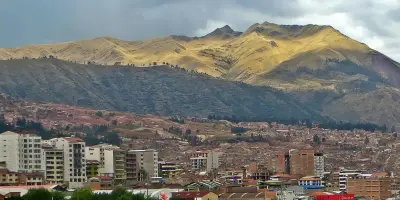
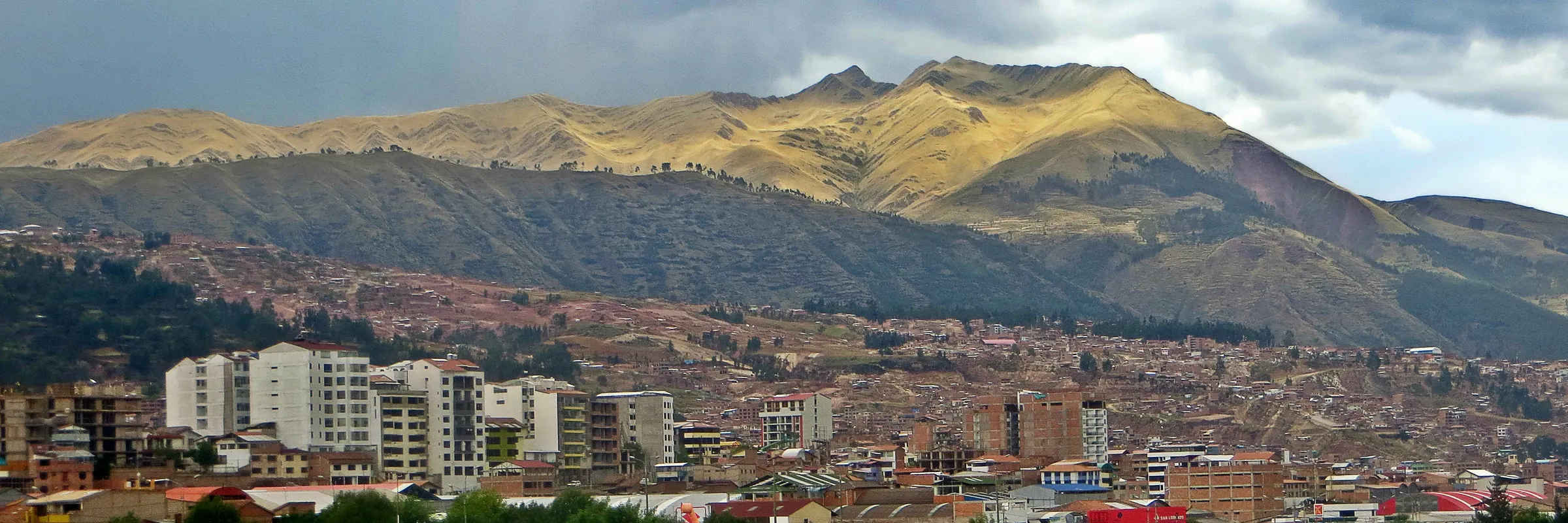
Cusco is the one destination on this list where getting the planning wrong has physical consequences. It sits well above three thousand metres, and an itinerary that starts with a demanding day is a common way to spend the rest of the trip recovering.

How to structure the days

The standard shape is two easy days in Cusco itself, then the Sacred Valley, then Machu Picchu — and that order exists for a reason. Acclimatising properly at the start makes everything afterwards better.

A common improvement is to sleep lower: the Sacred Valley sits several hundred metres below Cusco, and some people find it easier to acclimatise there and come back up.

What the trip contains

Cusco is a base as much as a destination, and the surrounding valley is the larger part of most itineraries.

  • Cusco itself — the colonial centre built on Inca foundations, and the acclimatisation days.
  • The Sacred Valley — Pisac, Ollantaytambo, the terraces and the markets. Two days at minimum.
  • Machu Picchu — reached by train and bus, or on foot over several days. Entry is capped and timed.
  • The high routes — Rainbow Mountain, Humantay and the treks, all much higher and much harder.

When to go, and why the season is not optional

There are two seasons here and they are genuinely different trips. The dry season is not merely more pleasant — it determines whether the trails are open at all.

  • May and SeptemberGo now

    Dry season, at the edges of the crowd

    Dry, clear and cold at night, but on either side of the peak. May in particular follows the rains, so the landscape is still green while the weather has settled. The best combination available.

  • June to AugustWorth it, but

    The driest and the busiest

    The most reliable weather of the year and the highest visitor numbers, with entry permits and the classic trek booked months ahead. Inti Raymi in late June fills the city completely. Excellent conditions, at a price and with a crowd.

  • April and OctoberWorth it, but

    Shoulder months, some rain, far fewer people

    The transition months. You will probably get some rain, but the sites are quieter and prices are lower. A reasonable bet if flexibility matters more than certainty.

  • November to MarchThink twice

    Wet season, and the classic trek closes

    Heavy rain, cloud on the viewpoints and muddy trails. The classic Inca Trail closes for maintenance in February every year, and landslides can disrupt the trains. Cusco itself remains perfectly visitable; the trekking version of this trip does not.

Things that change the trip

  • Give yourself two genuinely easy days on arrival. Not a suggestion — altitude sickness ruins more trips here than weather does.
  • Machu Picchu entry is capped, timed and by designated circuit, and sells out well ahead in high season. Book it before your flights if the dates are fixed.
  • The classic trek requires a permit that sells out months in advance and closes entirely each February. Alternative routes exist and are less constrained.
  • Sleeping in the Sacred Valley rather than Cusco is a common and effective way to acclimatise more comfortably.
  • Nights are cold all year at this altitude, regardless of how warm the afternoon was.

Plan Cusco and the valley together

A trip this shape — several places with the transport between them, spread over a week — is what Premium is for. The free version covers one destination for up to three days.

Destinations