Skip to content
JoruJoru
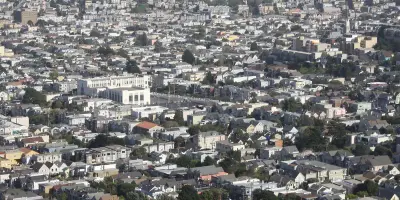
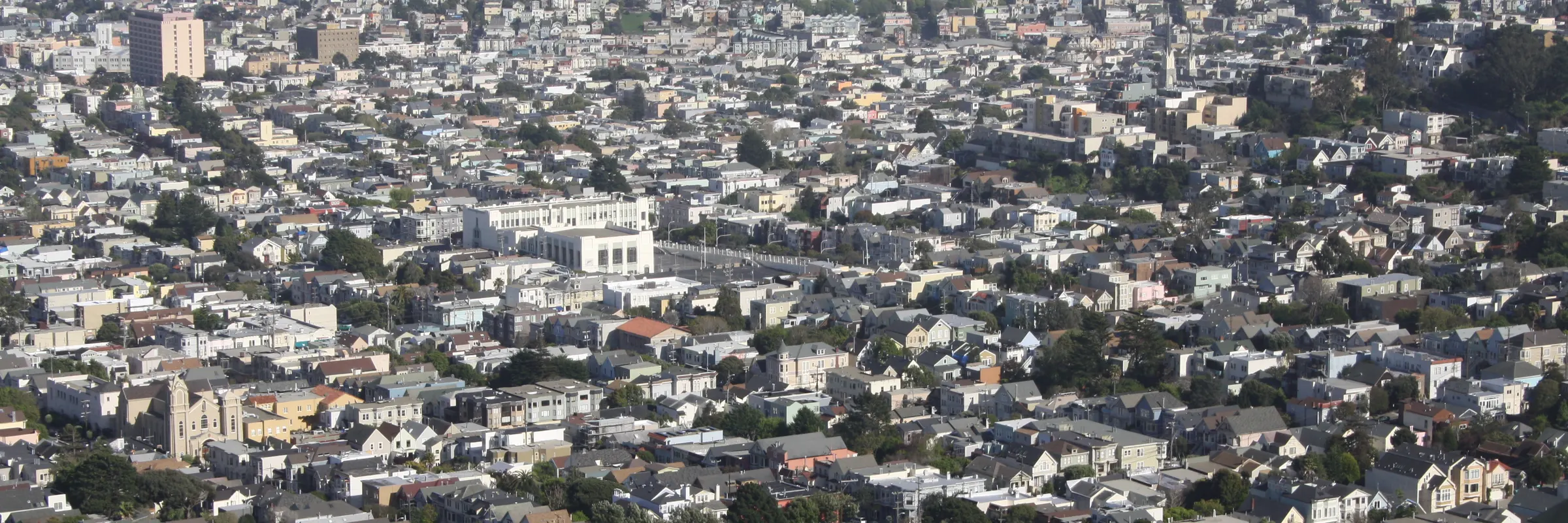
San Francisco: the city spread out below Twin Peaks
Photo: Bogdan · CC0
California, United States

San Francisco: how many days you need and the best months

San Francisco fits in seven miles by seven and still defeats people, for two reasons: the hills are steeper than any map shows, and the weather changes by neighbourhood. It can be sunny in the Mission and fogged in at the Golden Gate on the same afternoon, which is why the single most useful thing to carry here is a jacket in July.

Short answers

What people ask before booking

How many days do you need in San Francisco?

San Francisco needs three days for the city itself and five if you want the wine country or the coast. It is compact enough to walk and hilly enough that the map underestimates every route.

What is the best month to visit San Francisco?

September and October — The actual summer, and the clearest skies of the year. April and May — Green hills, long light, before the fog arrives.

How many days San Francisco needs

Three days covers the city itself without rushing, because it is genuinely compact. Five is the number if you want a day in the wine country or on the coast, which is most of the reason to come to this part of California in the first place.

What eats time is not distance but topography and transit. A twenty-minute walk on the map can be a forty-minute climb, and the bus network is good but not fast. Grouping a day by neighbourhood rather than by attraction is the whole trick here.

How the city is arranged

San Francisco is a grid laid over hills, which means the grid lies about effort. It is also a city of sharply defined neighbourhoods that change character within a block — more so than almost any American city of its size.

  • Downtown, Union Square and SoMa — hotels, shops, the museums. Busy by day and thin at night. The Tenderloin, just west of Union Square, is a different matter and worth knowing about before you walk through it after dark.
  • North Beach and Chinatown — the Italian quarter and one of the oldest Chinatowns outside Asia, right next to each other. Best combined on foot in a morning.
  • The Mission — the sunniest neighbourhood in the city, murals, taquerías and the best food. This is where to eat.
  • Haight-Ashbury and the Castro — counterculture history and the world's most famous gay neighbourhood, both walkable from Golden Gate Park.
  • The Sunset and the Richmond — the residential west, out by the ocean. This is where the fog lives, and where the city feels least like a postcard and most like a place.

Where to stay, and the two blocks that matter

The thing nobody tells you about San Francisco hotels is that the cheap ones downtown are cheap for a reason of geography, not quality. The Tenderloin sits immediately west of Union Square, and a hotel a few blocks in one direction versus the other changes how the walk back at night feels. This is not a moral judgement about the neighbourhood; it is a practical note about a two-block difference.

The other consideration is the fog. Staying in the western half of the city means measurably more grey, especially in summer. The Mission and Potrero are the sunniest parts and are also where the food is.

AreaWho it suitsThe catch
Union SquareFirst visit. Central, on the cable car lines, walkable to Chinatown and the museums.Check exactly which blocks — the neighbourhood changes character quickly to the west.
Nob Hill and Russian HillHandsome streets, views, and quiet at night.The name is not a metaphor. Every walk home is uphill and some of it is genuinely steep.
The MissionThe best eating in the city, the most sun, and the most alive at night.Furthest from the classic sights, and the transit connection is a bus rather than a train.
Hayes ValleyCentral, walkable, good restaurants, near the opera and symphony.Small, so the hotel options are limited and go quickly.
Fisherman's WharfFamilies, the bay, and the boats to Alcatraz.The most touristed and the least representative part of the city, and the food is priced for people who will not come back.

From the airport, and how to move around once here

There are three airports and SFO is the only one with a direct train: BART runs from the terminal into the city in around half an hour. Oakland is across the bay and needs a connection; San José is an hour south and is a different city entirely, whatever the booking site implies.

In the city, Muni runs the buses, the trams and the historic streetcars, and BART handles the regional lines. The cable cars are Muni too, and they are a working transit system that happens to be a national landmark — which is why the queue at the Powell Street turnaround is long and the queue at the other end usually is not.

  • Tap a contactless card or use the transit app. Cash on Muni requires exact change and is the slow way to do everything.
  • The cable car is a different fare from everything else and it is not a token ride: the Powell-Hyde line down to the bay is one of the genuinely good things to do here.
  • Sales tax is added at the till and tipping is expected, so a restaurant bill lands well above the menu price. Around a fifth of the pre-tax total is the normal tip for table service.
  • Do not leave anything visible in a parked car. Break-ins are common enough that locals empty their cars as a matter of routine, and rental cars are the obvious target.

Day trips, and the one to book first

Northern California is the reason to give this trip five days rather than three. Everything on this list is a day from the city, and most of it needs a car — public transport out of San Francisco is thin in every direction except south.

  • Muir Woods — old-growth coast redwoods, under an hour north across the bridge. It requires a reservation for parking or the shuttle, booked in advance, and turning up without one does not work.
  • Napa and Sonoma — the wine country, an hour or so north. Sonoma is the smaller and less polished of the two. Whoever drives is not drinking, which is the planning constraint nobody accounts for.
  • Point Reyes — a wild peninsula of cliffs, dairy farms and a lighthouse, ninety minutes north. Emptier than Muir Woods and better for a full day.
  • Berkeley and Oakland — across the bay on BART and the easiest trip on this list because it needs no car. A campus, a very good food scene and a different view of the city.
  • Monterey and Big Sur — two hours south, and really a two-day trip squeezed into one. The coast road is the point; check it is open, because sections close after landslides and stay closed for months.

How eating works here

San Francisco has been a serious food city for a century and a half, and the good version of it is not expensive. The best meal you will eat here probably costs less than a mediocre one downtown, because it will be at a taquería, a dim sum counter or a market stall.

The structural things to know: tax is not in the price and tipping is not optional for table service. Many restaurants also add a surcharge line to cover staff health cover, which is disclosed on the menu and is not a scam.

  • Lunch is cheaper for the same kitchen, and the difference is larger here than in most cities.
  • Reservations open a set number of days ahead at the popular places and go immediately. If you have one restaurant you care about, that is the thing to sort before you fly.
  • Coffee is taken seriously and so is queueing for it. The city was an early centre of the third-wave roasters, and it shows.
  • Tap water is safe and always offered free. Asking for it is normal.

Where to eat in San Francisco, dish by dish

This is a city where the cheap food is better than the expensive food, and where three dishes were genuinely invented locally. Skip Fisherman's Wharf for anything other than the view. The Mission, Chinatown and the Richmond are where the eating is, and none of them will cost you much.

  • Ferry Building

    Food hall

    One building that covers breakfast, lunch and a market

    A restored 1898 ferry terminal on the waterfront, now a hall of food counters and producers with a farmers' market outside several days a week. The market days are the reason to come rather than the building itself, which is open all week. Good for assembling a picnic and eating it on the bay.

    Check it on Wikidata
  • Mission burrito

    What to order

    The dish the city invented, and how to order it

    A large foil-wrapped burrito with rice inside, invented in the Mission in the 1960s and now copied worldwide. The rice is the local marker — it is what distinguishes this from a Mexican burrito. Order it super to get avocado, sour cream and cheese, and expect it to be a whole meal rather than a snack.

    Check it on Wikidata
  • Boudin Bakery

    Institution

    The bread that is genuinely a local product

    San Francisco sourdough is a real thing rather than a marketing story: the local wild yeast produces a distinctly sour loaf, and this bakery has been using the same starter since 1849. It is on the Wharf, which is otherwise a place to avoid, and it is the one reason to walk through there.

    Check it on Wikidata
  • Tartine Bakery

    Institution

    The queue that is actually worth standing in

    A Mission bakery that helped define modern American baking, and which still runs on a long line out of the door. The bread comes out at a set time in the afternoon and sells out, so the queue is really two queues at different hours. The morning pastries are easier to get and just as good.

    Check it on Wikidata
  • Swan Oyster Depot

    Institution

    Crab and oysters at a counter that has not changed

    A narrow seafood counter with about eighteen stools, family-run since 1912, doing raw oysters, crab and chowder and nothing else. Cash-preferred, no reservations, and the queue is the whole system. Dungeness crab is the local catch and the season runs through the winter, which is the opposite of when most visitors come.

    Check it on Wikidata
  • Chinatown

    Where to look

    Dim sum, and where to go for it

    One of the oldest Chinatowns outside Asia and still a working neighbourhood rather than a themed one. Grant Avenue is the souvenir street; Stockton Street one block over is where people actually shop. For dim sum, the rule is the same as everywhere: full room at eleven on a Sunday, carts moving, no English menu required.

    Check it on Wikidata

When to go, and what each month costs you

San Francisco has the most counter-intuitive weather of any city on this site. Summer is the cold, grey season and autumn is the warm, clear one — the fog rolls in through the Golden Gate from June onwards and often does not lift all day. Everyone packs shorts for July and buys a fleece on day two.

  • September and October

    Go now

    The actual summer, and the clearest skies of the year

    The warmest and sunniest stretch, once the summer fog has stopped. Locals call it the second summer and they are not being ironic. This is the best time to be here and it is also when the city is at its most expensive.

  • April and May

    Go now

    Green hills, long light, before the fog arrives

    Mild, bright and comfortable, with the hills outside the city still green from the winter rain. The fog season has not started, the crowds have not either, and the wine country looks its best.

  • June to August

    Worth it, but

    The foggy season, which surprises everyone

    Cool, grey and windy in the afternoons, especially in the western half of the city and at the bridge. It is not unpleasant and it is not what people expect. Bring a proper jacket regardless of what the month suggests — this is the single most common mistake visitors make here.

  • November to March

    Worth it, but

    The rainy season, and the crab season

    This is when the rain falls, in bursts rather than constantly, and when the city is cheapest and emptiest. It is also Dungeness crab season, which is a genuine reason to come in winter. Cold by California standards, mild by anyone else's.

Things that change the trip

  • Bring a jacket in summer. The fog is not a rumour and July afternoons at the bridge are genuinely cold.
  • Group each day by neighbourhood. The city is small and the hills make a short line on the map into a long walk.
  • Book Alcatraz and Muir Woods before you fly. Both need reservations, both sell out, and neither has a walk-up option that works.
  • Empty your rental car completely, every time. Locals do this automatically and visitors learn it the hard way.
  • The menu price is not the price. Add tax at the till and around a fifth in tip for table service.
  • Eat in the Mission or Chinatown rather than at the Wharf. The gap in quality and price runs in the direction you would hope.

Plan San Francisco around the hills and the fog

A trip of more than three days, or one that adds the wine country or the coast road and the driving between them, is what Premium is for. The free version covers one destination of up to three days.

Destinations