




Skip to content
JoruJoru
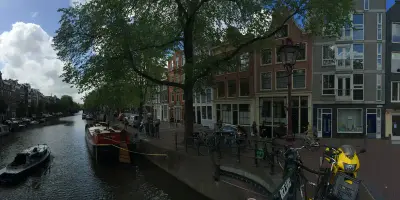
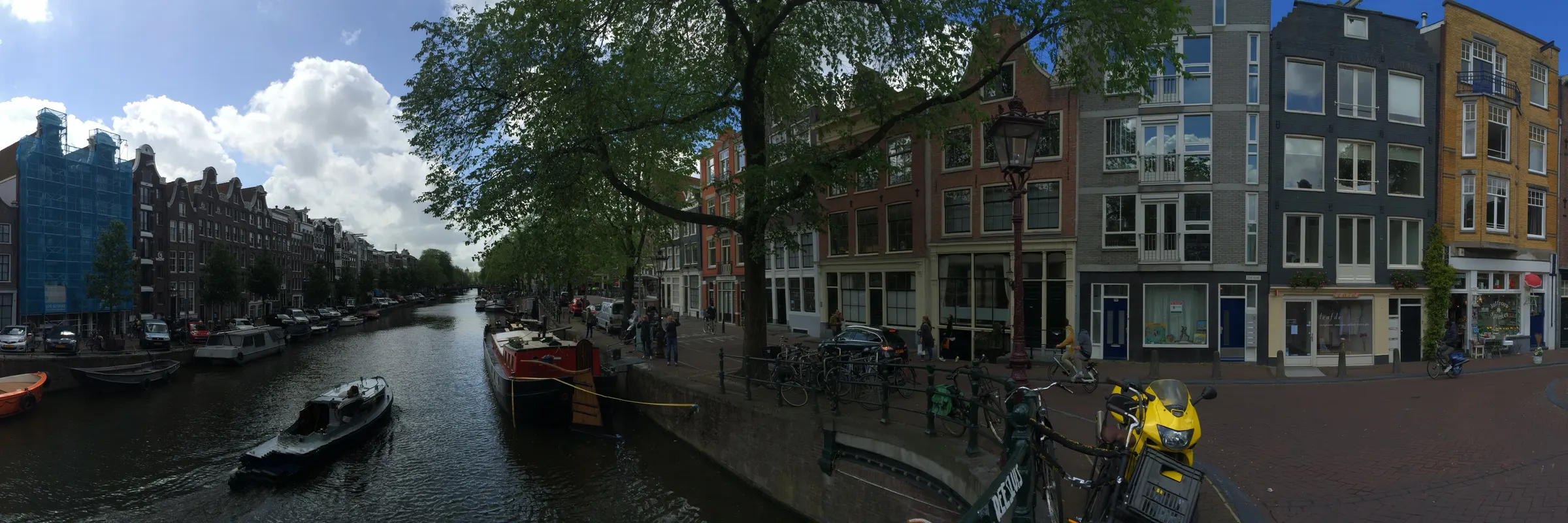
Amsterdam: a canal with its gabled houses
Photo: Caitlin from Boston, MA, 02215 · CC BY 2.0
Netherlands

Amsterdam: how many days you need and the best months

Amsterdam is the easiest major European city to navigate and one of the hardest to get tickets for. The canals run in concentric rings around the old centre, so you always know whether you are heading in or out — and meanwhile the two museums everyone comes for sell timed slots that go weeks in advance.

Short answers

What people ask before booking

How many days do you need in Amsterdam?

Amsterdam needs two days for the centre and one big museum, and four to add a second museum and a day trip. The city is small; the constraint is timed museum tickets, not distance.

What is the best month to visit Amsterdam?

April and May — The best of the year, and the only tulip window. September — Warm enough, and the crowds have gone.

Which months are worth avoiding in Amsterdam?

January and February — Grey, wet and windy, without December's compensations.

How many days Amsterdam needs

Two days covers the centre, one big museum and a proper walk. Four is where you can add a second museum without rushing, a neighbourhood outside the rings, and a day trip — which is what most people wish they had planned for.

The constraint here is almost never distance. It is that the Rijksmuseum, the Van Gogh Museum and the Anne Frank House all run on timed entry, and the last one in particular is booked out well ahead. A trip planned without checking those first gets rearranged around them anyway.

How the city is arranged

Amsterdam is built as a series of concentric canal rings around a medieval core, which makes it one of the few cities where the map genuinely helps. If you can see which ring you are on, you know where you are.

  • The Centrum — the medieval core, the Dam, the station and the red-light district. Dense, busy and the most touristed part by a wide margin.
  • The Grachtengordel — the seventeenth-century canal ring, and a UNESCO site. The postcard Amsterdam, and genuinely worth walking rather than photographing from one bridge.
  • The Jordaan — just west of the ring. Narrow streets, small shops and cafés, and the most pleasant part of the centre to wander.
  • Museumplein and Oud-Zuid — the three big museums around one square, with the grand residential streets behind.
  • De Pijp and Oost — south and east of the centre. The market, the food, and where the city lives rather than visits.

Where to stay, and what the centre costs you at night

Amsterdam is small enough that almost anywhere central works, so the question is not distance but noise. The area around the Dam and the red-light district is loud until very late, in a way that has nothing to do with the city and everything to do with stag parties. A canal-view room there is a different product from the same room in the Jordaan.

The other thing worth knowing is that the old canal houses have very steep, narrow stairs and often no lift. This is a listed-building constraint rather than a cost-cutting one, and it matters if you have a large case or bad knees.

AreaWho it suitsThe catch
The JordaanFirst visit. Central, charming, walkable to everything and quiet at night.Small hotels in old buildings, so lifts are rare and rooms are compact.
The canal ringThe postcard version, with the water outside the window.The most expensive, and canal-view rooms on the busier stretches are noisier than they look.
De PijpThe market, the best eating, and better value than the centre.A tram ride from the centre rather than a walk, though a short one.
Oud-ZuidThe museums on your doorstep, and a quiet, handsome neighbourhood.Residential to the point of sleepy, and dinner options thin out quickly.
Near Centraal StationArriving late or leaving early, and the ferries to Noord.The busiest and least pleasant corner of the city on foot.

Getting in from Schiphol, and moving around

Schiphol is unusually well connected: trains run from beneath the terminal to Centraal Station in under twenty minutes, several times an hour. There is no reason to take anything else, and a taxi costs many times more for a slower journey.

In the city, walking covers most of it and the trams cover the rest. The thing to actually pay attention to is the bikes. Cycle lanes are separate from both the road and the pavement, they are busy, and cyclists have priority and expect you to know it. Stepping into one without looking is the most common way visitors get hurt here.

  • Tap a contactless card on the trams and metro — check in and check out, and forgetting the second charges you the maximum.
  • Do not rent a bike on your first day. Amsterdam cycling is fast, dense and full of unwritten rules; a day of watching it first makes the second day much better.
  • Trams and bikes both come from directions you are not expecting. Look both ways on a cycle lane even where it seems one-way.
  • Schiphol has one train station and it is under the terminal, which is why the airport-to-city problem does not exist here.

Day trips, and the one that depends on the season

The Netherlands is small and the trains are frequent, which makes day trips easy. The one that everyone asks about is seasonal and short, and planning a trip around it without knowing that is a common disappointment.

  • Haarlem — fifteen minutes by train, a smaller and quieter version of Amsterdam with a great church and a good market square. The easiest and most underrated trip here.
  • Utrecht — half an hour, with canals at two levels and a working university city feel. The best full day of the list.
  • Keukenhof and the bulb fieldsonly open for about two months in spring, and the exact bloom moves with the weather. Outside that window there is nothing to see, and the fields are simply farmland.
  • Zaanse Schans — the windmills, about twenty minutes north. Very touristed and genuinely photogenic; a half day, not a full one.
  • Rotterdam — forty minutes by fast train, and a complete architectural contrast after the seventeenth century. Go if you have four days.

How eating and drinking works here

Dutch cooking is not the reason to come, and Amsterdam knows it: the best eating here is Indonesian, Surinamese and Turkish, which follows the country's colonial history directly. The Indonesian rijsttafel in particular is an Amsterdam institution and exists in this form nowhere in Indonesia.

The local drinking format is the bruin café — a brown café, named for the tobacco-stained walls, where you go for a beer and a small snack rather than a meal. They are unpretentious, often centuries old, and the thing to do in one is stay for two hours.

  • Lunch is small here. A sandwich at midday and a proper meal at six is the Dutch pattern, and restaurants fill early by southern European standards.
  • Tipping is modest and optional — rounding up is normal, and there is no expectation of a percentage.
  • Cash is disappearing fast. Many places are card-only, and some do not take foreign credit cards; a debit card with Maestro is the reliable option.
  • Coffeeshops sell cannabis and cafés sell coffee. They are different words for different things, and asking for coffee in the first is a common and easily avoided confusion.

Where to eat in Amsterdam, and what to order

Dutch food is a short list and it is worth doing properly rather than avoiding. The best meals here are colonial rather than native — Indonesian above all — and the best snacks are sold from windows and carts. What follows is the honest version of both.

  • Albert Cuyp Market

    Market

    The market that is a market and not an attraction

    A long daily street market in De Pijp, running since 1905, selling produce, cheese, fish and fabric to people who live nearby. Come for a fresh stroopwafel made on the stall and for the cheese stands, which are considerably cheaper than the shops in the centre. Closed Sundays.

    Check it on Wikidata
  • Haring

    What to order

    The thing to eat standing at a cart, once

    Raw herring cured in brine, served with chopped onion and pickle. You are supposed to eat it from the tail with your head tipped back, though every stand will also cut it into pieces with a flag in it. The season for the new catch runs in early summer and is genuinely a local event.

    Check it on Wikidata
  • Bitterballen

    What to order

    The bar snack that comes with every beer

    Deep-fried balls of thick beef ragout, crisp outside and molten inside, served with mustard. They are dangerously hot in the middle for the first two minutes, which everyone learns once. Order them in a brown café and share a plate.

    Check it on Wikidata
  • FEBO

    Chain

    Hot food from a wall of little windows, at any hour

    A Dutch fast-food chain where the food sits behind small glass doors in a heated wall and you put coins in to open one. It is a genuine local institution rather than a curiosity, open very late, and the kroket is the thing to take. Cheap, fast, and the answer at two in the morning.

    Check it on Wikidata
  • Stroopwafel

    What to order

    The waffle, and the difference between two versions

    Two thin waffle discs with caramel syrup between them. The packaged supermarket version and the one made warm on a market stall are barely the same food. The trick with the packaged kind is to rest it on a hot drink for a minute so the syrup softens; that is what it is designed for.

    Check it on Wikidata
  • Rijsttafel

    What to order

    The meal that is Amsterdam's real speciality

    A rice table: a dozen or more small Indonesian dishes served together with rice, developed in the colonial period and now a Dutch institution rather than an Indonesian one. It is a shared meal for two or more and it is a lot of food. The best versions are in ordinary neighbourhood Indonesian restaurants rather than the ones on the tourist streets.

    Check it on Wikidata

When to go, and what each month costs you

Amsterdam is mild, grey and wet in a way that spreads evenly across the year rather than concentrating in one season. What changes most is daylight and crowds, not temperature — and the tulip window, which is short and specific.

  • April and May

    Go now

    The best of the year, and the only tulip window

    Long light returning, the parks and terraces opening, and the bulb fields in bloom for a few weeks. The exact bloom moves with the weather each year, so the fields are worth checking rather than assuming. Busy, and worth it.

  • September

    Go now

    Warm enough, and the crowds have gone

    The summer visitors have left, the weather usually holds, and the cultural season restarts. The single best month if you do not need tulips, and noticeably cheaper than the spring.

  • June to August

    Worth it, but

    The longest days, and the most crowded canals

    Light until very late, the terraces full, and the city at its most enjoyable outdoors. It is also the peak of visitor numbers and prices, and the centre in July is genuinely dense. Book museums well ahead or accept you will not get in.

  • December

    Worth it, but

    Lights on the water, and dark by mid-afternoon

    Christmas markets, lights along the canals and a real sense of season. The cost is daylight: it is dark early and often wet. Museums and brown cafés are at their best in exactly this weather, which is a fair trade.

  • January and February

    Think twice

    Grey, wet and windy, without December's compensations

    The bleakest stretch: short days, persistent drizzle and a cold wind off the water that feels worse than the temperature suggests. Prices are lowest and the museums are empty, which is the entire argument for coming now.

Things that change the trip

  • Book the Anne Frank House, the Rijksmuseum and the Van Gogh Museum before you fly. All three are timed entry and the first sells out weeks ahead.
  • Watch for bikes at every crossing. The cycle lane is separate from the road and the pavement, it is fast, and cyclists have priority.
  • Take the train from Schiphol. It leaves from under the terminal, takes under twenty minutes, and nothing else is faster or cheaper.
  • Check the tulip window against your dates. Keukenhof opens for about two months in spring and the bloom shifts with the weather.
  • Do not rent a bike on day one. Watch how it works for a day first; the rules are unwritten and everyone else knows them.
  • Bring a card, not cash. Many places are cashless, and some do not accept foreign credit cards at all.

Plan Amsterdam around the tickets, not the distances

A trip of more than three days, or one that adds Utrecht or Rotterdam and the trains between them, is what Premium is for. The free version covers one destination of up to three days.

Destinations