


Skip to content
JoruJoru
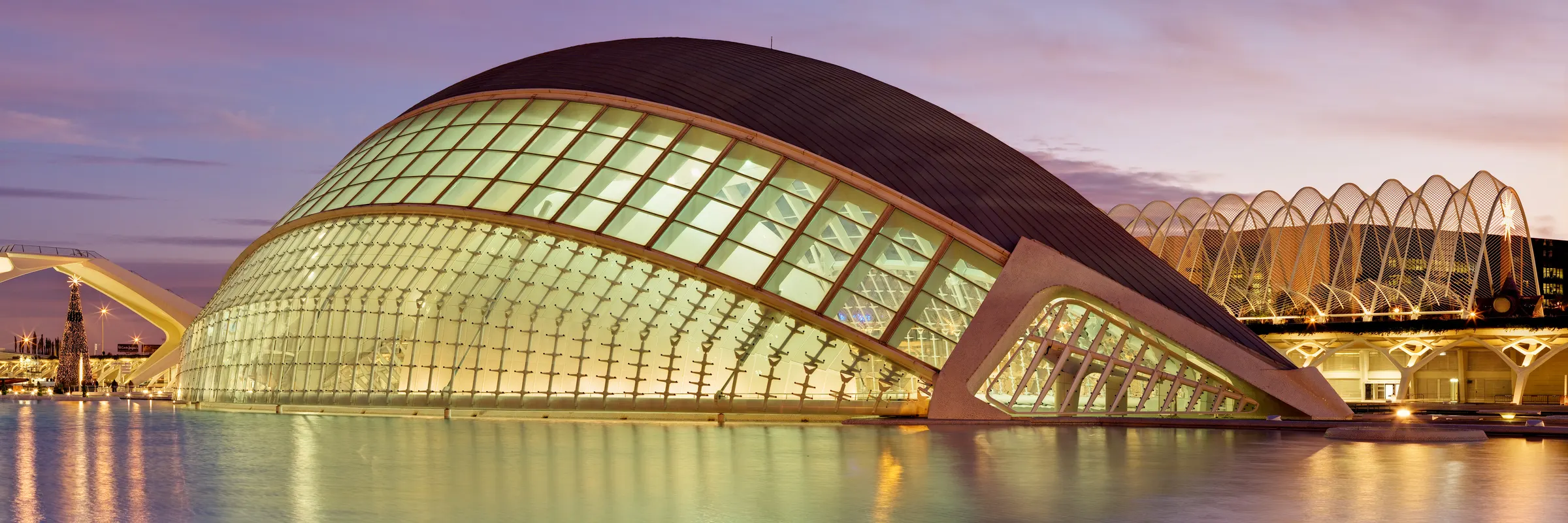
Valencia: The Hemisfèric of the City of Arts and Sciences at dusk

Valencian Community, Spain

Valencia: how many days you need and the best months to go

Photo: Diliff · CC BY 2.5

Valencia is the easiest of Spain's big cities to enjoy. It is flat, sunny and built for bicycles, with the sea on one side and the rice fields of its lagoon on the other. Its old town holds a Gothic silk exchange and one of the great covered markets of Europe; the river that once crossed it was diverted after a flood and its bed turned into a park that runs the length of the city, ending at the white structures of the City of Arts and Sciences. And this is the home of paella, which here is a dish of rabbit, chicken and beans, cooked over wood and eaten at lunch. The planning problem is a single week: in mid-March the Fallas fill the city with giant sculptures, gunpowder and a million visitors, and then burn the lot. It is unforgettable, deafening, and a different trip from any other week of the year.

Short answers

What people ask before booking

How many days do you need in Valencia?

Valencia needs two days — the old town, the Central Market and the silk exchange, then the old riverbed by bicycle to the City of Arts and Sciences and the beach — and a third for the rice fields and the lagoon of the Albufera. Check whether your dates fall in the Fallas, from the first to the nineteenth of March.

What is the best month to visit Valencia?

April to June — Warm, bright and the beach starting. September and October — A sea still warm, the summer crowds gone.

Work out how many hours you will have in Valencia on your dates
When to go, and what each month costs you

Valencia has a mild Mediterranean climate: warm springs and autumns, hot and humid summers, and mild, sunny winters. The autumn brings the year's heaviest rain in short, violent storms. The Fallas in March are the one week that changes everything.

  1. January: Worth it, but
  2. February: Worth it, but
  3. March: Worth it, but
  4. April: Go now
  5. May: Go now
  6. June: Go now
  7. July: Worth it, but
  8. August: Worth it, but
  9. September: Go now
  10. October: Go now
  11. November: Worth it, but
  12. December: Worth it, but
  • April to June

    Go now

    Warm, bright and the beach starting

    Warm, sunny days, the orange blossom in April and the beach season starting in June. Holy Week, whose dates move between March and April, brings processions in the old fishermen's quarter by the sea. The best months for bicycles and the lagoon.

  • September and October

    Go now

    A sea still warm, the summer crowds gone

    Warm days and a sea still warm from the summer, with the summer visitors gone. Rain is rare but can fall in short, heavy storms, especially from late September; check the forecast for warnings.

  • March

    Worth it, but

    The Fallas

    Mild spring weather and the city's great festival, from the first to the nineteenth, with the climax from the fifteenth. Unforgettable, deafening and expensive: book months ahead, or choose another week if you want a quiet city.

  • July and August

    Worth it, but

    Hot, humid and the beach season

    Hot and humid days and warm nights, with the beaches full. Many locals take their holidays in August, and some restaurants close; the sea breeze makes the beach the best place to be.

  • November to February

    Worth it, but

    Mild, sunny and quiet

    Mild days with plenty of sun, cool nights and the occasional storm in November. One of the best winter cities in Spain, with the old town and the market at their most local; too cool for most people to swim.

What to pack for Valencia, month by month

How many days Valencia needs

Two days cover the city. One for the old town: the cathedral and its tower, the silk exchange, the Central Market and the lanes of El Carmen. One along the old riverbed: by bicycle through the park to the City of Arts and Sciences, its aquarium and science museum, then on to the beach and dinner by the sea.

The third day is for the lagoon and the rice. The Albufera, a freshwater lagoon south of the city surrounded by rice fields, is where paella comes from: a boat at sunset and a long lunch in the village of El Palmar are the classic day. Beyond it, the coast and the old towns of the region are an hour or two away.

How the city is arranged, along a river with no water

After a catastrophic flood in 1957, the River Turia was diverted south of the city, and its old bed became a park nine kilometres long that curves around the old town. It is the city's spine: you can cross Valencia from the zoo in the west to the City of Arts and Sciences in the east without leaving it.

  • The old town (Ciutat Vella) — the cathedral, the silk exchange, the Central Market and El Carmen, the medieval quarter of bars and street art.
  • Ruzafa — south of the centre: a nineteenth-century grid of cafés, restaurants and the city's liveliest nights.
  • The Turia gardens — the old riverbed, with paths, playing fields and the bridges of the old city crossing above.
  • The City of Arts and Sciences — the white futuristic buildings at the end of the riverbed: opera house, science museum, aquarium and cinema.
  • El Cabanyal and the beaches — the old fishermen's quarter with tiled houses, and the long city beaches of Las Arenas and Malvarrosa beside it.

Where to stay, and what each area costs you

The old town is for first visits, Ruzafa for the evening, the beach for the sea. The metro and trams link them all, and the distances are short enough by bicycle.

Prices peak in the week of the Fallas in mid-March and rise in Holy Week, whose dates move every year, and in summer near the beach. The rest of the year Valencia is good value for a Spanish city.

AreaWho it suitsThe catch
The old town and El CarmenA first visit: the cathedral, the market and the silk exchange on foot, with the park at the edge.Noisy around the bars of El Carmen at night, and during the Fallas the streets are taken over.
RuzafaFood, cafés and nightlife, ten minutes' walk from the old town and the station.Loud on weekend nights, and the area is busier than it is beautiful.
Near the City of Arts and SciencesModern hotels by the museums and the park, between the city and the sea.Spread out and quiet at night, with little life of its own.
The beach (Las Arenas and Malvarrosa)Sea views, the promenade and the seafood restaurants, with the tram to the centre.Half an hour from the old town, and crowded in summer.

Compare these areas against your priorities

Getting there, and getting around

Valencia's airport is linked to the city by metro in under half an hour. High-speed trains reach Madrid in about two hours, and other lines run to Barcelona and Alicante; the main high-speed trains stop at the Joaquín Sorolla station, a short walk or shuttle from the historic North Station in the centre.

The city is flat and made for bicycles, with lanes along the old riverbed and the main avenues, a public bike-sharing scheme and plenty of rental shops. The metro, the trams and the buses do the rest.

  • Contactless bank cards work on the city buses; a rechargeable travel card is cheaper for many trips.
  • The tram runs to the beach and along it, the easiest way from the centre to the sea.
  • Buses run to the Albufera and El Palmar, but a boat trip at sunset and a long lunch work better by taxi or bicycle.
  • Do not drive into the old town, where access is restricted and parking is scarce.

The silk exchange, the futuristic city and the Fallas

The Fallas, from the first to the nineteenth of March, are one of the great festivals of Europe, listed by UNESCO. Neighbourhoods build giant satirical sculptures of wood and cardboard, and every afternoon at two a deafening firecracker display, the mascletà, shakes the main square. The climax comes in the last days, from the fifteenth: the sculptures stand in the streets, the parades of offerings cover a statue of the Virgin in flowers, and on the night of the nineteenth everything is burned. Plan for crowds, noise, closed streets and the highest prices of the year.

  • The Silk Exchange — a Gothic merchants' hall of the fifteenth century with twisting columns like palm trees, a World Heritage Site.
  • The Central Market — a vast modernist market hall of iron, glass and tiles, among the largest in Europe, full of fish, rice, oranges and ham.
  • The cathedral — Romanesque, Gothic and Baroque, with a chapel holding a stone cup that tradition calls the Holy Grail, and the bell tower that gives the best view of the old town.
  • The Water Tribunal — every Thursday at noon, at the door of the cathedral, the farmers' court that has settled irrigation disputes for centuries meets in public, in Valencian. It is listed by UNESCO.
  • The City of Arts and Sciences — the futuristic complex at the end of the riverbed, best seen from outside at dusk; the aquarium is the largest in Europe.
  • The Albufera — the lagoon south of the city: rice fields, birds, boats at sunset and the village of El Palmar.

How eating works here

Paella is a lunch dish here, and locals almost never eat it for dinner. The original is made with chicken, rabbit, green beans and butter beans, sometimes snails, cooked in a wide pan over a wood fire until a crust forms at the bottom; seafood versions and black rice with squid ink are their cousins. It is ordered for at least two, and good restaurants cook it to order, which takes time.

Spanish hours apply: lunch from two, dinner from nine. The drink of the city is horchata, a cold, sweet milk of tiger nuts, dipped with long soft pastries; it comes from the market gardens north of the city.

  • A paella that arrives in five minutes was not made for you; expect to wait twenty or more.
  • The best paella is often outside the centre: in the beach restaurants of Las Arenas and in El Palmar by the lagoon.
  • The Central Market's bars serve breakfast and lunch from what is sold around them.
  • Tipping is optional: rounding up is enough.

Where to eat in Valencia, and what to order

Valencia is the home of rice, and it cooks it a dozen ways: the original paella of meat and beans, black rice in squid ink, rice with seafood, and an eel stew from the lagoon. Drink horchata in the afternoon and shop at the Central Market in the morning.

  • Paella valenciana

    What to order

    The original paella

    Rice cooked in a wide, shallow pan with chicken, rabbit, flat green beans and butter beans, saffron and rosemary, over a wood fire until the bottom crust caramelises. The Valencian version has no seafood and no chorizo, and a good one takes time. Eat it at lunch, and look for the crust.

    Check it on Wikidata
  • Horchata de chufa

    What to order

    Tiger-nut milk in the afternoon

    A cold, sweet drink made from tiger nuts grown in the market gardens north of the city, with a long soft pastry to dip into it. The traditional horchata shops are in the old town and in Alboraya, where the tiger nuts grow. In summer it is also served half-frozen.

    Check it on Wikidata
  • All i pebre

    What to order

    The eel stew of the lagoon

    Pieces of eel from the Albufera stewed with potatoes, garlic, paprika and chilli. It is the dish of El Palmar, the village in the lagoon, and the restaurants there serve it before the rice. Strong and very local; try it once.

    Check it on Wikidata
  • Mercado Central

    Market

    The great market hall

    A modernist market of the early twentieth century under domes of iron and coloured glass, with stalls of fish, rice, oranges, ham and vegetables from the market gardens. It is one of the largest in Europe still in daily use; come in the morning, when it is busiest, and eat at one of the bars inside.

    Check it on Wikidata
  • Agua de Valencia

    What to order

    The cocktail named after the city

    A cocktail of fresh orange juice, sparkling wine, gin and vodka, served in a jug to share. It was invented in a bar of the old town in the late 1950s and is now the city's signature drink. Strong for something that tastes of orange juice.

    Check it on Wikidata

Things that change the trip

  1. Check whether your dates fall in the Fallas, from the first to the nineteenth of March, and book months ahead if they do.
  2. Eat paella at lunch, not at dinner, and wait for it to be made.
  3. Rent a bicycle and ride the old riverbed from end to end.
  4. Go to the Albufera for lunch in El Palmar, and stay for the sunset on the lagoon.
  5. Visit the Central Market in the morning; it closes in the afternoon.
  6. On a Thursday, be at the cathedral door at noon for the Water Tribunal.

Plan Valencia with the Spanish Mediterranean

A trip of more than three days, or one that joins Valencia, Madrid, Barcelona or Granada with the trains between them, is what Premium is for. The free version covers one destination of up to three days.

Destinations