
Skip to content
JoruJoru
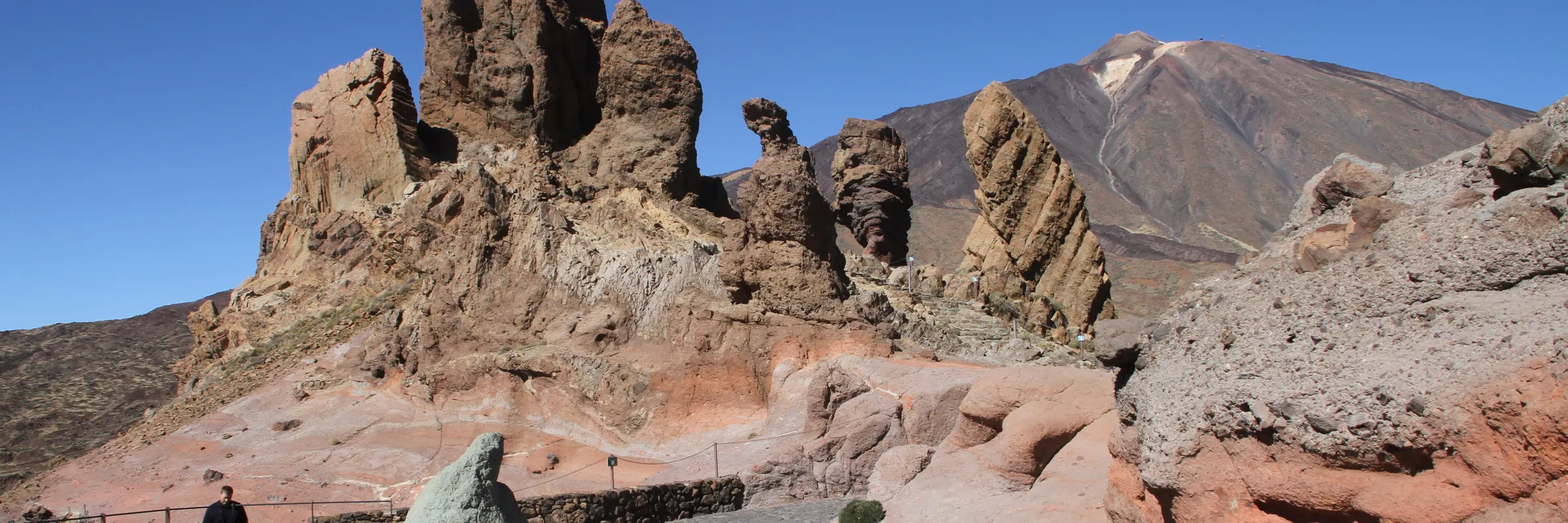
Tenerife: The Roques de García, with Teide behind

Canary Islands, Spain

Tenerife: how many days you need and the best months to go

Photo: Gerd Eichmann · CC BY 4.0

Tenerife is the largest of the Canary Islands, a volcanic island in the Atlantic off the coast of Africa, and its great mountain, Teide, is the highest point in Spain. Most visitors know only its south: a coast of resorts, pools and beaches under almost constant sun, built for winter escapes from northern Europe. The rest of the island is another world. Above the resorts rise the lava fields and craters of the national park around Teide, a landscape like nowhere else in Europe; the north is green, often cloudy and wooded, with the old colonial town of La Laguna, the banana plantations and vineyards of the Orotava valley and the ancient laurel forest of Anaga; and the west ends in sea cliffs hundreds of metres high. The planning problem is choosing between them. The trade winds split the island into a sunny south and a green, cloudier north, an hour or more apart by road, and where you sleep decides which of the two islands you see.

Short answers

What people ask before booking

How many days do you need in Tenerife?

Tenerife needs four days: one for Teide and its national park, one for the north — the old town of La Laguna and the forest of Anaga — one for the cliffs of Los Gigantes and Masca, and one for the sea. Six days add La Gomera by ferry, or days by the pool. Choose a base in the sunny south or the green north.

What is the best month to visit Tenerife?

April to June — Clear, green and calmer. September to November — A warm sea and fewer people.

Work out how many hours you will have in Tenerife on your dates
When to go, and what each month costs you

Tenerife is mild all year, warm on the coast and cold on the mountain. The south is sunny and dry in every season; the north is greener, cloudier and wetter in winter, and the peak of Teide can have snow and ice. The seasons are set less by the weather than by who is travelling.

  1. January: Worth it, but
  2. February: Worth it, but
  3. March: Worth it, but
  4. April: Go now
  5. May: Go now
  6. June: Go now
  7. July: Worth it, but
  8. August: Worth it, but
  9. September: Go now
  10. October: Go now
  11. November: Go now
  12. December: Worth it, but
  • April to June

    Go now

    Clear, green and calmer

    Warm days, the north still green and the mountain clear, with the winter crowds gone. In late spring the tall red flower spikes of the tajinaste bloom in the national park. Holy Week, whose dates move between March and April, fills the island with Spanish visitors.

  • September to November

    Go now

    A warm sea and fewer people

    The sea at its warmest, warm days and fewer visitors before the winter season. The guachinches open with the new wine, and the walking in the mountains is good; November can bring the first rain to the north.

  • December to March

    Worth it, but

    Winter sun, and the high season

    Mild, sunny days on the south coast and cool nights, with the island at its fullest and dearest. The Carnival of Santa Cruz, one of the largest in the world, moves every year with Lent, between February and March. Teide can have snow and ice that close the summit trail.

  • July and August

    Worth it, but

    Hot, full and dusty at times

    Hot days in the south and the Spanish summer holidays, with August the busiest month. Winds from the Sahara can bring dust and heat for a few days, and the risk of forest fires is highest; the north and the mountain stay cooler.

What to pack for Tenerife, month by month

How many days Tenerife needs

Four days show the island's range. One for Teide: the cable car or a walk across the lava fields of the national park, and the stars after dark. One for the north: the old town of La Laguna, the laurel forest of Anaga and the coast below it. One for the west: the cliffs of Los Gigantes and the gorge and village of Masca. One for the sea: a boat to see whales and dolphins, or a day on a beach.

Six days let you add La Gomera, the wild green island under an hour away by ferry, a second walk in the mountains, or simply days by the pool, which is what many people come for. If your dates fall in the Carnival, give a night to Santa Cruz.

How the island is arranged

Tenerife is a rough triangle with Teide in the middle, rising to the highest point in Spain. The trade winds divide it: the north and north-east slopes catch the clouds and are green, the south and west are dry and sunny. The two cities, Santa Cruz and La Laguna, are in the north-east; the big resorts are in the south-west; a motorway runs around most of the coast.

  • The Teide national park — the high plateau in the centre: lava fields, craters, rock towers and the mountain itself.
  • Santa Cruz and La Laguna — the port capital, with its Carnival and its concert hall on the sea, and the old colonial capital on the hill above it.
  • The north coast — Puerto de la Cruz, the Orotava valley with its old town, banana plantations and vineyards.
  • Anaga — the mountains of the north-eastern tip, covered in laurel forest, with villages and black-sand coves.
  • The south — Costa Adeje, Playa de las Américas and Los Cristianos: the resorts, beaches and the ferry port.
  • The west — the cliffs of Los Gigantes, the Teno mountains and the village of Masca.

Where to stay, and what each area costs you

The south has the sun and the beaches; the north has the towns, the green and the island's own life. With a car, either works as a base for the whole island, an hour or more from end to end; many visitors split the stay.

Prices peak from Christmas to Easter, when northern Europe comes for the winter sun, and in August, when Spain takes its holidays.

AreaWho it suitsThe catch
Costa Adeje and Playa de las AméricasSun and beaches: the resorts, pools and restaurants of the south, near the airport.Built up and international, with loud nights in parts of Las Américas, and far from the north.
Los CristianosAn old fishing port turned resort, calmer than its neighbour, with a beach and the ferry to La Gomera.Crowded in winter, and built up around the old harbour.
Puerto de la CruzThe north's historic resort: an old town, the seawater pools by César Manrique, and the Orotava valley behind.Cloudier than the south, with black-sand beaches and a rough sea.
La Laguna and Santa CruzCity life: the old town, the restaurants, the tram, and the forest of Anaga close by.Few hotels for holidays, and La Laguna is cooler and often cloudy.
Los Gigantes and the westQuiet stays with sunsets over the sea, near the cliffs, the boats and Masca.Few beaches, and far from the rest of the island.

Compare these areas against your priorities

Getting there, and getting around

Tenerife has two airports. The south one takes most international flights and is close to the resorts; the north one, near La Laguna, serves mostly flights to mainland Spain and the other islands. Ferries link Tenerife with the rest of the Canary Islands.

A hire car is the way to see the island. The buses, called guaguas here, serve the main towns well but reach the national park and the mountain villages only a few times a day. A tram runs between Santa Cruz and La Laguna.

  • Access to the national park by car is being regulated: before driving up, check whether you need to book a parking space or take a shuttle bus.
  • The summit of Teide needs a permit, booked online weeks ahead and separate from the cable car ticket; without it, the cable car takes you to a viewpoint just below the top.
  • The walk down the Masca gorge is regulated: book a place ahead, and take the compulsory shuttle bus from Santiago del Teide.
  • Ferries to La Gomera leave from Los Cristianos, in the south.

Teide, the forests and the cliffs

Teide is the highest mountain in Spain and the heart of a national park of lava fields, craters and strange rock towers, a World Heritage Site. A cable car climbs to a viewpoint just below the summit; the last stretch to the crater needs a permit. Come early or late in the day, when the light is low and the crowds smaller, and stay after dark: the skies are among the clearest in Europe, which is why there is an observatory on its slopes. It is cold up there even when the coast is hot.

  • The Roques de García — towers of volcanic rock in front of Teide, with a short walk around them.
  • La Laguna — the old capital, a World Heritage town of colonial houses with wooden balconies, a model for cities across the Americas.
  • Anaga — the mountains of the north-east, covered in ancient laurel forest, with trails down to black-sand coves.
  • Los Gigantes — sea cliffs hundreds of metres high on the west coast, best seen from a boat.
  • Masca — a village in a deep gorge of the Teno mountains, at the end of a narrow, winding road.
  • Whales and dolphins — pilot whales live off the south-west coast all year; choose an operator certified to approach them.

How eating works here

Canarian food is simple and generous: small potatoes boiled until their skins wrinkle, spicy red and green sauces, grilled fish, goat's cheese, rabbit stew and gofio, the toasted grain flour of the old islanders. The resorts of the south serve international food; to eat Canarian, go north, to the towns and to the farmers' wine houses.

Spanish hours apply, a little earlier in the resorts. In autumn and winter the guachinches of the north open: farmers' wine houses that serve their own young wine with a few home-cooked dishes, until the wine runs out.

  • Ask for the catch of the day: local fish, grilled and served with the green sauce.
  • Tenerife's wines come from vineyards on the volcanic slopes of the north and of Teide; order them by the glass.
  • Goat's cheese is made all over the island, fresh, smoked or aged.
  • Tipping is optional: rounding up is enough.

Where to eat in Tenerife, and what to order

Tenerife's table is the Canary Islands': wrinkled potatoes with spicy sauces, rabbit in a garlic marinade, the toasted flour of the first islanders, a layered coffee found nowhere else, and the young wine of the north drunk where it was made.

  • Papas arrugadas

    What to order

    Wrinkled potatoes with the two sauces

    Small local potatoes boiled in their skins in very salty water until the skins wrinkle and turn white with salt, served with a red sauce of dried peppers and a green one of coriander or parsley. They come with almost every meal; eat them with your fingers, dipped in both.

    Check it on Wikidata
  • Gofio

    What to order

    The flour of the first islanders

    A flour of toasted grain, maize or wheat, that the islands' first inhabitants already ate. It is stirred into broths, kneaded into a dough or sweetened in a dessert; try it once in a traditional restaurant.

    Check it on Wikidata
  • Conejo en salmorejo

    What to order

    Rabbit in a garlic marinade

    Rabbit marinated in garlic, vinegar, paprika, thyme and wine, then fried and stewed in its marinade. It is the classic dish of the guachinches and country restaurants of the north, served with wrinkled potatoes.

    Check it on Wikidata
  • Barraquito

    What to order

    The layered coffee of Tenerife

    Espresso with condensed milk, frothed milk, a dash of liqueur, lemon peel and cinnamon, served in layers in a glass. It is a Tenerife speciality, rarely found elsewhere; it can be ordered without the liqueur.

    Check it on Wikidata
  • Guachinche

    Where to look

    A farmer's wine house in season

    A house among the vines of the north, often a garage or a shed, that opens for a few months a year to sell its own young wine with a short menu of home cooking. The rules limit what it can serve, so the food is simple and cheap and the wine is the point. Go in autumn and winter, and expect plastic tablecloths.

    Check it on Wikidata

Things that change the trip

  1. Choose your base by what you want: the south for sun and beaches, the north for towns, forest and Canarian food.
  2. Book the Teide summit permit weeks ahead, and the cable car early in the morning.
  3. Pack warm clothes for Teide: it is cold at the top even when the coast is hot.
  4. Book the Masca walk ahead, and check that it is open on your dates.
  5. Find a guachinche in the north in autumn or winter.
  6. Hire a car for at least part of the stay.

Plan Tenerife with the other islands

A trip of more than three days, or one that joins Tenerife with La Gomera, La Palma or Gran Canaria and the ferries and flights between them, is what Premium is for. The free version covers one destination of up to three days.

Destinations