


Skip to content
JoruJoru
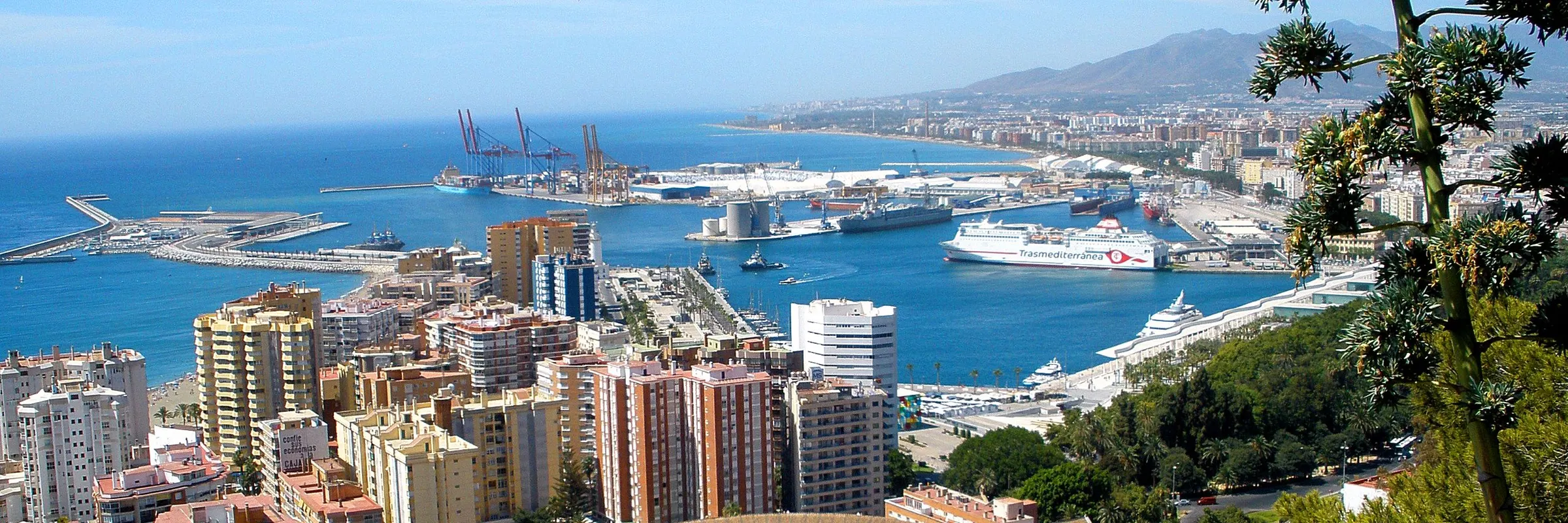
Málaga: The port and the bay from the hill of Gibralfaro

Andalusia, Spain

Málaga: how many days you need and the best months to go

Photo: Zarateman · CC0

For decades Málaga was the airport people landed at on their way to the beach resorts west of it. Over the last twenty years the city has turned itself into a destination of its own: the old centre was pedestrianised, the port opened to the town, museums arrived one after another, and the birthplace of Picasso now has two museums devoted to him and one of the busiest calendars of exhibitions in Spain. It still has what made it a port city for nearly three thousand years — a Moorish fortress and a castle on the hill above the harbour, a Roman theatre at their foot — and a city beach a walk from the cathedral. The planning problem is what kind of trip it is: a city break, a beach holiday, or a base for the gorge walk, the white towns and Granada, which each pull towards a different place to sleep.

Short answers

What people ask before booking

How many days do you need in Málaga?

Málaga needs two days: one for the Alcazaba, Gibralfaro, the cathedral and the Picasso Museum, and one for the port, the museums and an afternoon by the sea in Pedregalejo. Add a third for the Caminito del Rey, Ronda or Granada, all within two hours.

What is the best month to visit Málaga?

April to June — Warm days and the sea warming up. September and October — A sea still warm, the crowds gone.

Work out how many hours you will have in Málaga on your dates
When to go, and what each month costs you

Málaga has one of the mildest climates in Europe: warm, dry summers, mild winters with most of the year's rain, and sun on almost every day. Spring and early autumn are the best times; winter is good for the city, and summer for the beach. Occasionally a hot, dry wind from inland, the terral, sends summer temperatures soaring for a few days.

  1. January: Worth it, but
  2. February: Worth it, but
  3. March: Worth it, but
  4. April: Go now
  5. May: Go now
  6. June: Go now
  7. July: Worth it, but
  8. August: Worth it, but
  9. September: Go now
  10. October: Go now
  11. November: Worth it, but
  12. December: Worth it, but
  • April to June

    Go now

    Warm days and the sea warming up

    Warm and sunny, with long days and the beach starting to fill. Holy Week, whose dates move between March and April, is Málaga's great festival, with huge processions and the highest prices of the spring. June is beach weather.

  • September and October

    Go now

    A sea still warm, the crowds gone

    Warm days and a sea still warm from the summer, with the crowds gone. It is the best time for a mix of city and beach, and for the gorge walk and the white villages.

  • July and August

    Worth it, but

    Beach season and the August fair

    Hot and humid, with the beaches full and the city busy with visitors. The August fair, around the middle of the month and with dates that move, fills the centre with music and parties for a week, and the terral can make some days very hot.

  • November to March

    Worth it, but

    Mild winter, with most of the rain

    Mild, mostly sunny days with the year's rain falling in a few wet spells, often heavy. It is one of the warmest winters on mainland Europe, good for the museums and the old town, though too cool for most people to swim. Christmas brings lights to the main street.

What to pack for Málaga, month by month

How many days Málaga needs

Two days cover the city. One for the hill and the old town: the Alcazaba and the castle of Gibralfaro, the Roman theatre, the cathedral and the Picasso Museum. One for the port and the beach: the promenade on the quay, the contemporary art centres, and an afternoon by the sea in the old fishing districts east of the centre, with grilled sardines for dinner.

A third day, or more, is for the province. The suspended walkway through the gorge of the Caminito del Rey, the town of Ronda on its cliff, the white villages above Nerja, the dolmens of Antequera and Granada itself are all within an hour or two. Málaga is one of the best-connected bases in Andalusia.

How the city is arranged

Málaga lies between the mountains and the sea. The old town sits at the foot of the hill crowned by the fortress and the castle, with the port in front and the river on its western side; the beaches run east from the port, and the modern city spreads west and north.

  • The old town — the cathedral, the Picasso Museum, the pedestrian main street and the lanes of bars and churches around them.
  • The Alcazaba and Gibralfaro — the Moorish fortress and the castle above it, with the Roman theatre at the foot of the hill.
  • The port — the quays opened to the city, with a palm-lined promenade, the glass cube of the Pompidou centre and restaurants by the water.
  • Soho — the district between the old town and the river, with large murals and contemporary art.
  • La Malagueta, Pedregalejo and El Palo — the city beach next to the port, and further east the old fishing districts with their seafood beach bars.

Where to stay, and what each area costs you

For a city break, stay in the old town or Soho; for the beach, in La Malagueta or the districts to the east; for touring the province with a car, anywhere outside the centre with parking. Many visitors stay in the resort towns of the coast west of the city and come in by train.

Prices peak in Holy Week, whose dates move every year, during the August fair and in the summer holidays; Málaga is also a year-round city, and winter weekends fill too.

AreaWho it suitsThe catch
The old townA city break: the museums, the cathedral, the fortress and the bars, all on foot.Noisy at night in the busiest streets, and many flats rented to tourists.
Soho and the portModern hotels between the old town and the sea, with the train from the airport close by.Less atmosphere than the old lanes, and busy streets around the port.
La MalaguetaThe city beach at the door, ten minutes' walk from the old town.Apartment blocks along the front, and crowded in summer.
Pedregalejo and El PaloOld fishing districts by the sea, with seafood bars on the sand and a local feel.A bus ride from the centre, and few hotels.
The resort towns of the coastBeach hotels west of the city, on the coastal train line.Package-holiday towns, a half-hour train ride from Málaga's sights.

Compare these areas against your priorities

Getting there, and getting around

Málaga's airport is among the busiest in Spain, a few minutes from the city by the coastal train, which continues west to the resorts as far as Fuengirola. High-speed trains reach Madrid in under three hours and Córdoba in about an hour; buses run to Granada, Ronda and Nerja.

In the city, walk. The old town is pedestrian and compact; the port, Soho and La Malagueta are a few minutes away. Buses run east to Pedregalejo and El Palo, and a small metro serves the western districts and the university.

  • Contactless bank cards work on the city buses, and the coastal train has ticket machines at every station.
  • Hire a car for the province — Ronda, the white villages and the gorge are much easier by road — and pick it up when you leave the city.
  • The Caminito del Rey needs a booking with a fixed entry time, and closes in bad weather; buy from the official site and plan how to get to the gorge and back, which are at opposite ends of the walk.
  • Taxis wait at the station and the airport, and ride-hailing apps also work in the city.

The fortress, Picasso and the gorge

The Alcazaba is a Moorish palace-fortress of the eleventh century, built in terraces up the hill above the port, with gardens, fountains and courtyards; above it, linked by a walled path, the castle of Gibralfaro gives the best view of the city and the bay. Go up early in the day, before the heat, or take the bus to the castle and walk down.

  • The Picasso Museum — the artist was born in Málaga in 1881, and his family's collection fills a sixteenth-century palace; his birthplace on the square nearby is a second museum.
  • The Roman theatre — at the foot of the Alcazaba, rediscovered in the twentieth century and used again for performances.
  • The cathedral — a Renaissance cathedral with one tower unfinished, which locals call the one-armed lady.
  • The museums — the Pompidou centre on the port, the Carmen Thyssen collection of Spanish painting and a fine arts and archaeology museum in the old customs house.
  • The Caminito del Rey — a walkway pinned to the walls of a deep gorge an hour north of the city, once among the most dangerous paths in Europe and now rebuilt and safe. Book ahead.
  • Ronda and the white villages — the cliff-top town split by its gorge and bridge, and the white villages of the mountains, a day by car or bus.

How eating works here

Málaga eats from the sea. Sardines threaded on cane skewers and grilled over a wood fire in old boats filled with sand are the city's dish, cooked on the beach in the bars of the east; fried fish, cold soups and the sweet wines of the mountains complete it. The covered market in the centre is the place to see what the coast brings in.

Andalusian hours apply: lunch from two, dinner from nine. Ordering coffee is a local art: Málaga's cafés name each strength by the proportion of coffee to milk, a system born in an old café of the centre that has since closed.

  • The beach bars of Pedregalejo and El Palo grill sardines from late spring to autumn; the months without an R are said to be the best.
  • Fried fish is ordered by type and by weight: anchovies, small squid, red mullet, cuttlefish.
  • Málaga's sweet wine is served in old bars of the centre straight from the barrel.
  • Tipping is optional: rounding up is enough.

Where to eat in Málaga, and what to order

Málaga's food is the food of a fishing port with mountains behind it: sardines grilled on the beach, fried fish, two cold soups and a sweet wine. Eat the sardines by the sea in the east, the fried fish anywhere, and drink the wine in a bar that serves it from the barrel.

  • Espeto

    What to order

    Sardines grilled on the beach

    Fresh sardines threaded on a cane skewer and grilled upright beside a wood fire, usually in an old fishing boat filled with sand on the beach. The grill-men who tend them are a Málaga institution, and the beach bars of Pedregalejo and El Palo are the place. Eat them with your fingers, with bread and a cold drink.

    Check it on Wikidata
  • Pescaíto frito

    What to order

    A plate of fried fish

    Small fish and seafood dusted in flour and fried in olive oil: fresh anchovies, squid, red mullet, cuttlefish. The fried anchovy of Málaga is so local that its people are nicknamed after it, and every bar serves a mixed plate to share. Order it with a squeeze of lemon and nothing else.

    Check it on Wikidata
  • Ajoblanco

    What to order

    The white cold soup

    A cold soup of almonds, garlic, bread, olive oil and vinegar, white and smooth, served with grapes. It is older than the tomato in Spain, and it belongs to Málaga's summers. A small glass is enough before a meal.

    Check it on Wikidata
  • Porra antequerana

    What to order

    The thick tomato soup of Antequera

    A thick cold cream of tomato, bread, garlic and olive oil from the town of Antequera, topped with egg, ham or tuna. It is the province's answer to Córdoba's salmorejo, thicker and eaten with a spoon. Order it as a starter in summer.

    Check it on Wikidata
  • Vino de Málaga

    What to order

    The sweet wine of the mountains

    Sweet, dark wines made from Moscatel and Pedro Ximénez grapes grown in the mountains of the province, famous in Europe for centuries. The oldest bars of the centre still pour them from the barrel, with a few olives or almonds. A glass ends a meal.

    Check it on Wikidata
  • Mercado de Atarazanas

    Market

    The covered market of the centre

    The city's main market, in a nineteenth-century iron hall entered through the Moorish gate of an old shipyard, by the river. Fish, fruit, olives and almonds on the stalls, and bars inside that cook what is sold; the best time is late morning, for a lunch of fried fish at the counter.

    Check it on Wikidata

Things that change the trip

  1. Decide the kind of trip first: old town for the city, the east for the beach, a car for the province.
  2. Book the Caminito del Rey ahead, and plan the transport between its two ends.
  3. Go up to Gibralfaro early, or take the bus up and walk down through the fortress.
  4. Eat sardines on the beach at Pedregalejo or El Palo, not in the centre.
  5. Book well ahead for Holy Week and the August fair.
  6. Take the coastal train from the airport: it is faster than a taxi at busy times.

Plan Málaga with the coast and Andalusia

A trip of more than three days, or one that joins Málaga, Ronda, Granada, Córdoba or Seville with the trains and roads between them, is what Premium is for. The free version covers one destination of up to three days.

Destinations