Skip to content
JoruJoru
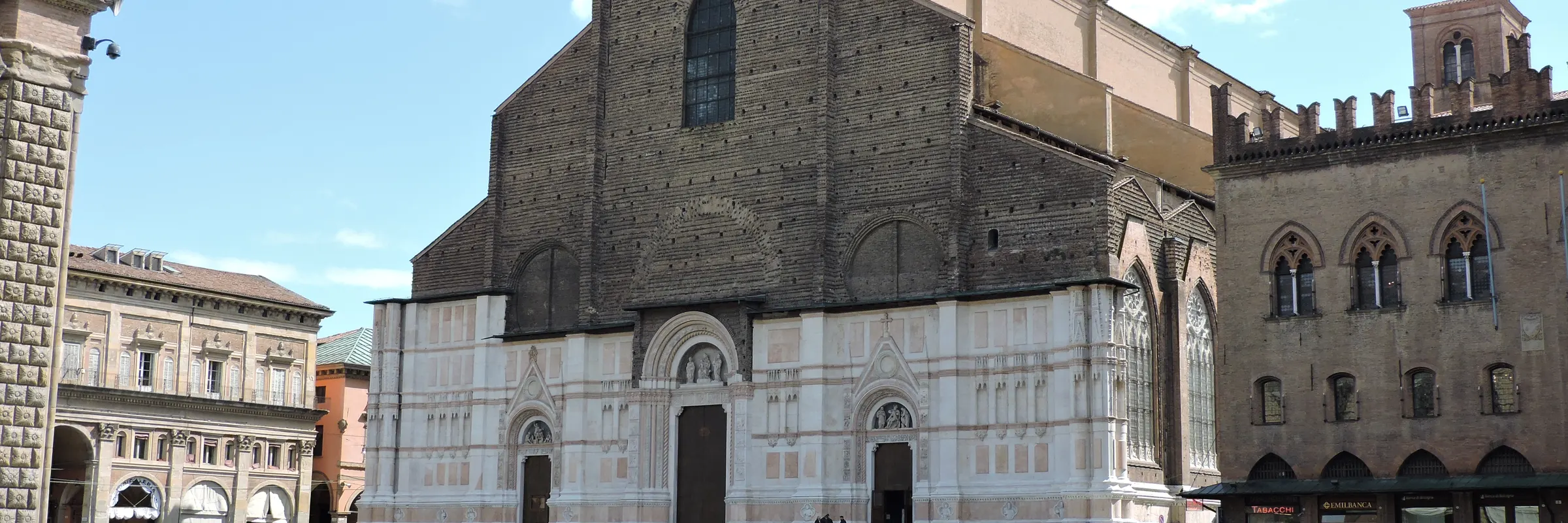
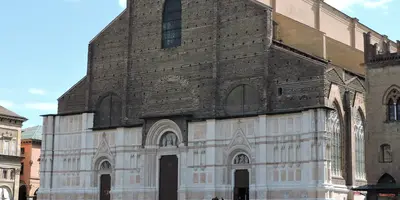
Bologna: San Petronio and the Palazzo dei Notai on Piazza Maggiore

Emilia-Romagna, Italy

Bologna: how many days you need and the best months to go

Photo: Dimitris Kamaras · CC BY 2.0

Bologna is the Italian city that many visitors skip on the train between Florence and Venice, and that is its luck. Its old town is one of the largest and best preserved in Europe: streets of red and ochre brick lined with almost forty kilometres of porticoes, medieval towers, vast churches and a university that has taught since the eleventh century and still fills the city with students. It is also the capital of Emilia-Romagna, the region that gave the world Parmesan, Parma ham, balsamic vinegar and the meat sauce that the rest of the world calls Bolognese, and it eats accordingly. The planning problem is a calendar most visitors never see: Bologna is one of Italy's great trade-fair cities, and several times a year the exhibitions fill its hotels and send their prices soaring. Check the fair calendar before you book, and use the city as a base for the food towns around it.

Short answers

What people ask before booking

How many days do you need in Bologna?

Bologna needs two days: one for Piazza Maggiore, San Petronio, the old anatomical theatre, the market streets and Santo Stefano, and one for the walk under the porticoes to San Luca and the university quarter. A third day is for Modena, Parma, Ravenna or Ferrara by train. Check the trade-fair calendar before you book.

What is the best month to visit Bologna?

April to June — Mild, green and lively. September and October — Warm days and the new season's food.

Work out how many hours you will have in Bologna on your dates
When to go, and what each month costs you

Bologna lies in the Po valley: summers are hot and humid, winters cold and often foggy, and the rain falls mostly in spring and autumn. Spring and autumn are the best seasons, and the trade fairs, not the weather, decide the prices.

  1. January: Worth it, but
  2. February: Worth it, but
  3. March: Worth it, but
  4. April: Go now
  5. May: Go now
  6. June: Go now
  7. July: Worth it, but
  8. August: Worth it, but
  9. September: Go now
  10. October: Go now
  11. November: Worth it, but
  12. December: Worth it, but
  • April to June

    Go now

    Mild, green and lively

    Mild to warm days, the hills green, and the city full of students and terraces. The best time for the walk to San Luca and the day trips; check the trade-fair calendar, which is busy in spring.

  • September and October

    Go now

    Warm days and the new season's food

    Warm days that cool through October, the grape and mushroom harvests in the hills, and the city back from the summer. Autumn brings truffles and new wine to the menus; the trade fairs return too.

  • July and August

    Worth it, but

    Hot, humid and half closed

    Hot, sticky days and warm nights, with open-air cinema in Piazza Maggiore. Around the middle of August the city empties and many shops and restaurants close, but hotels are cheaper and there are no fairs.

  • November to March

    Worth it, but

    Fog, cold and the tortellini season

    Cold, damp days, often foggy, and short evenings, but the porticoes keep you dry. The season of tortellini in broth, Christmas markets and hearty food; the city is at its most local, except during the winter fairs.

What to pack for Bologna, month by month

How many days Bologna needs

Two days cover the city. One for the centre: Piazza Maggiore and the basilica of San Petronio, the old university's anatomical theatre, the market streets of the Quadrilatero, and the church complex of Santo Stefano, nicknamed the Seven Churches. One for the walk under the porticoes up to the sanctuary of San Luca on its hill, the university quarter, and a long dinner.

The third day is for the region. Modena, with its cathedral and its balsamic vinegar, is under half an hour by train; Parma, for its ham, its cheese and its painted cathedral, about an hour; Ravenna, with the Byzantine mosaics of its churches, about an hour the other way. Ferrara, a walled Renaissance town, is half an hour north.

How the city is arranged, under its porticoes

Bologna's old town is a compact polygon inside the ring road that replaced its walls, with Piazza Maggiore at the centre and almost every street lined with porticoes, so you can cross it on foot in the rain. The railway station is on the northern edge; the hills, with San Luca on top, rise just south of the walls.

  • Piazza Maggiore — the main square, with San Petronio, the town hall, the Neptune fountain and the old palaces around it.
  • The Quadrilatero — the medieval market streets east of the square, packed with food shops, stalls and small bars.
  • The university quarter — the streets north-east of the two towers, around Via Zamboni: students, bars, cheap food and graffiti.
  • Santo Stefano and Strada Maggiore — the elegant south-eastern streets, with the church complex of Santo Stefano and its triangular square.
  • The hills — the green slopes just south of the old town, with San Luca on top and villas, parks and trattorias below.

Where to stay, and what each area costs you

The old town is small enough that anywhere inside it works, and staying in it means walking everywhere under the porticoes. Bolognina, north of the station, is the cheaper alternative across the tracks.

Before booking, check the calendar of the trade fairs: several times a year, the big exhibitions fill the city's hotels and send prices soaring. Prices also rise in spring and autumn, and the city charges a tourist tax per person and per night. In August many shops and restaurants close for the holidays.

AreaWho it suitsThe catch
Around Piazza MaggioreA first visit: the squares, the market streets and the best restaurants on the doorstep.The dearest rooms, and the busiest streets by day.
The university quarterLively evenings, students' bars and cheap food, a few minutes from the towers.Noisy late at night, and scruffy in places.
Santo Stefano and Strada MaggioreElegant, quieter streets under the porticoes, close to the centre.Fewer cheap places to stay, and calm in the evening.
Near the station and Via IndipendenzaTrains, the airport shuttle and a shopping street that leads straight to the centre.Less charm, and the streets right by the station are rough at night.
BologninaCheaper hotels and a local, mixed neighbourhood just north of the station.Outside the old town, a walk or a bus ride from the sights.

Compare these areas against your priorities

Getting there, and getting around

Bologna is the hub of Italy's high-speed railway: trains reach Florence in about forty minutes, Milan in about an hour, Venice in an hour and a half and Rome in a little over two hours. The airport is linked to the central station by a short monorail ride.

The old town is for walking, almost all of it under porticoes. Buses cover the rest; much of the centre is a restricted traffic zone, and most of the city's streets have a low speed limit, so a car is more trouble than help.

  • Do not drive into the centre: the restricted zone is watched by cameras and fines arrive by post.
  • Validate bus tickets on board, or pay with a contactless card where the reader allows it.
  • The two towers are closed while the leaning one is made safe, a job expected to take years; check whether the climb up the taller one has reopened.
  • Book day trips by regional train: they are frequent and cheap, and need no reservation.

The squares, the towers and San Luca

Piazza Maggiore is the living room of the city, and the basilica of San Petronio fills one side of it: one of the largest churches in the world, with a façade left unfinished for six centuries and a long meridian line set into its floor. Around the square are the Neptune fountain, the town hall with its art collections, and the Archiginnasio, the old university building, whose wooden anatomical theatre is one of the great rooms of Italy.

  • Santo Stefano — a cluster of churches and cloisters, some of them more than a thousand years old, around a triangular square.
  • San Luca — the sanctuary on the hill south-west of the city, reached on foot by a portico of 666 arches, the longest in the world.
  • The two towers — the symbols of the city, the tall Asinelli and the leaning Garisenda, left from the dozens of family towers of the Middle Ages.
  • The Quadrilatero — the market streets where Bologna shops for food, best in the morning.
  • The hidden canals — Bologna was once a city of canals; a small window in Via Piella opens on one of the few still visible.
  • Modena, Parma and Ravenna — the cathedral and the vinegar, the ham and the cheese, and the mosaics, each a short train ride away.

How eating works here

Bologna's nickname is «la grassa», the fat one, and it earns it. Fresh egg pasta rolled by hand is the heart of the table: tagliatelle with the slow meat sauce, tortellini in broth, green lasagne. There is no spaghetti Bolognese here; the sauce goes with tagliatelle, and is mostly meat. Cured meats, Parmesan and the fried dough puffs called crescentine are the other half.

Italian hours apply: lunch from half past twelve, dinner from eight. The aperitivo in the early evening comes with snacks, and in the Quadrilatero it can turn into a light dinner of cured meats and cheese.

  • Trattorias are the real thing: short menus, fresh pasta, and the dish of the day on a board.
  • Tortellini in broth is a winter and Christmas dish; in summer they are served with cream or butter.
  • The wines of the hills, mostly whites, and the red Lambrusco from around Modena go with everything.
  • A cover charge is often added per person; tipping beyond it is optional.

Where to eat in Bologna, and what to order

Bologna eats the food of Emilia at its source: egg pasta with the real meat sauce, tortellini in broth, the pink sausage that took the city's name, and the white wine of its hills. Shop in the market streets in the morning, and eat in a trattoria.

  • Tagliatelle al ragù

    What to order

    Tagliatelle with the meat sauce

    Wide ribbons of fresh egg pasta with a sauce of minced beef and pork cooked slowly with a little tomato, wine and milk. This is the dish the world calls Bolognese, and here it is never served with spaghetti; its official recipe is even registered with the city's chamber of commerce.

    Check it on Wikidata
  • Tortellini

    What to order

    Tortellini in broth

    Tiny rings of egg pasta filled with pork, cured ham, mortadella and Parmesan, served in a clear meat broth. They are folded by hand, and the best are still made that way; a winter dish, and the Christmas lunch of every Bolognese family.

    Check it on Wikidata
  • Mortadella

    What to order

    The pink sausage of the city

    A large, smooth sausage of finely ground pork studded with cubes of fat, sliced paper-thin. It is so tied to the city that in America it is simply called «bologna»; eat it on its own, in cubes with the aperitivo, or in a sandwich.

    Check it on Wikidata
  • Mercato delle Erbe

    Market

    The covered market

    The old covered market in the west of the centre, with stalls of fruit, vegetables, meat and cheese, and small restaurants and wine bars in its halls. It is where the neighbourhood shops, and in the evening it fills with people eating and drinking.

    Check it on Wikidata
  • Pignoletto

    What to order

    The white wine of the hills

    A dry white wine from the hills south and west of the city, still or lightly sparkling, fresh and easy. It is the house wine of Bologna, poured with cured meats and fried dough; order it by the glass.

    Check it on Wikidata

Things that change the trip

  1. Check the trade-fair calendar before you book, and avoid the fair weeks if you can.
  2. Walk up to San Luca under the porticoes, in the morning.
  3. Order tagliatelle with the meat sauce, never spaghetti.
  4. Shop and eat in the Quadrilatero in the morning, and come back for the aperitivo.
  5. Use Bologna as a base for Modena, Parma, Ravenna and Ferrara by train.
  6. Do not drive into the centre: the restricted zone has cameras.

Plan Bologna with Emilia-Romagna

A trip of more than three days, or one that joins Bologna with Modena, Parma, Ravenna, Florence or Venice and the trains between them, is what Premium is for. The free version covers one destination of up to three days.

Destinations